
- - Why Heavy Rain Triggers Pest Surges
- - The First 24 Hours After Rain
- - Common Pests That Appear After Storms
- - How to Inspect Your Home Like a Professional
- - Outdoor Hotspots Most Homeowners Ignore
- - Warning Signs That Pests Have Moved Inside
- - Monitoring Tools That Actually Work
- - Real Homeowner Case After a Major Storm
- - Mistakes That Make Pest Problems Worse
- - Long-Term Prevention After Heavy Rain
- - When to Call a Professional
Why Heavy Rain Triggers Pest Surges
Heavy rain changes the behavior of pests almost overnight. Underground nests flood, outdoor food sources disappear, and standing water creates ideal breeding conditions for insects. When homeowners search for answers about How to Monitor Pest Activity After Heavy Rain, they are often already noticing unusual signs around their property — ants in the kitchen, mosquitoes swarming near the yard, or rodents suddenly appearing in the garage.
Rainfall forces pests to relocate. Many species that normally stay hidden outdoors move toward dry, warm shelter inside homes, crawl spaces, attics, and basements. This is especially common in regions across the southern United States where seasonal storms and hurricanes regularly disrupt pest habitats.
Moisture also accelerates biological processes for certain pests. Termites become more active in damp soil, cockroaches thrive in humid conditions, and mosquitoes can reproduce rapidly in just a few days if standing water remains untreated.

1. Flooded Nesting Areas Push Pests Indoors
Ant colonies, rodent burrows, and subterranean termite tunnels can become unstable after extended rainfall. Pests instinctively search for higher ground and stable shelter. Unfortunately, homes provide both.
Waverly Pest Control Inc.
Wappingers FallsDutchess CountyNew York
1234 US-9, Wappingers Falls, NY 12590, USA
2. Humidity Creates Perfect Breeding Conditions
After storms, humidity levels often remain elevated for days. Damp wood, wet insulation, and moist cardboard boxes become ideal environments for insects to feed and reproduce.
3. Food Sources Become Easier to Access
Rain can wash garbage, pet food residue, and organic debris into concentrated areas around a property. Rodents and insects quickly adapt and begin exploring nearby structures.
The First 24 Hours After Rain
The first day after heavy rain is the most important monitoring period. Pest activity often increases immediately, even if visible infestations do not appear until later.
1. Check Moisture-Prone Areas Indoors
Start with basements, laundry rooms, under sinks, garages, and crawl spaces. These locations tend to trap humidity and provide easy shelter for pests escaping flooded outdoor environments.
Look for These Early Signs
Small droppings, unusual odors, scratching sounds inside walls, mud tubes near foundations, and insect wings around windows are all indicators that pests may already be active.
2. Walk the Exterior Perimeter
Inspect gutters, downspouts, fence lines, wood piles, and drainage areas. Standing water and accumulated debris are major warning signs.
Many homeowners skip this step because they assume pest issues begin indoors. In reality, the outdoor environment often reveals infestation patterns before pests fully enter the house.
3. Pay Attention to Nighttime Activity
Certain pests become significantly more active after dark following rainfall. Flashlights can help reveal slug trails, roach movement, rodent pathways, or ant colonies relocating during cooler nighttime temperatures.
Common Pests That Appear After Storms
Understanding which pests become more aggressive after storms makes monitoring easier and more accurate.
1. Mosquitoes
Mosquitoes are among the fastest-growing post-rain pests. Even small amounts of standing water can become breeding grounds within days.
Common Mosquito Breeding Spots
- Birdbaths
- Clogged gutters
- Plant trays
- Outdoor toys
- Pool covers
- Old tires
A homeowner in Houston reported noticing only a few mosquitoes after a tropical storm. Within one week, the backyard became nearly unusable because rainwater had collected inside decorative containers hidden behind shrubs.
2. Rodents
Rats and mice often leave flooded sewer systems and burrows after severe rain. They seek dry insulation, food storage areas, and hidden nesting spots.
Rodent Indicators
- Gnaw marks on packaging
- Greasy rub marks near walls
- Droppings in cabinets
- Scratching sounds at night
- Shredded paper or insulation
3. Termites
Wet soil dramatically increases termite movement. Swarming termites frequently appear after rain because moisture softens wood and supports colony expansion.
High-Risk Areas
- Wooden decks
- Fence posts
- Basement framing
- Attic beams with leaks
- Foundation cracks
4. Cockroaches
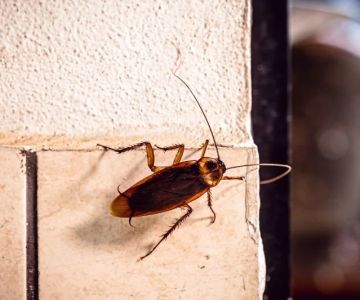
Roaches often emerge from drains and sewer systems after storms. American cockroaches are particularly known for invading homes following flooding events.
Many people mistake a single cockroach sighting as random. After heavy rain, however, one sighting often means more are hiding nearby.
How to Inspect Your Home Like a Professional
Professional pest technicians follow a systematic process after severe weather events. Homeowners can apply many of the same techniques without specialized training.
1. Divide the Property Into Zones
Rather than randomly checking rooms, divide the property into sections:
- Foundation zone
- Water drainage zone
- Food storage zone
- Attic and roof zone
- Outdoor vegetation zone
This approach prevents missed areas and creates a more reliable monitoring routine.
2. Track Changes Daily
One of the biggest mistakes homeowners make is relying on memory. Pest activity patterns change quickly after storms.
Create a Simple Monitoring Log
- Date of rainfall
- Areas inspected
- Signs discovered
- Weather conditions
- Moisture levels
- Pest sightings
This information becomes extremely useful if professional treatment is eventually needed.
3. Use Your Sense of Smell
Experienced pest professionals often identify problems by odor before visual evidence appears. Damp, musty, oily, or ammonia-like smells may indicate rodent or insect activity.
Outdoor Hotspots Most Homeowners Ignore
Outdoor monitoring matters just as much as indoor inspections. Some of the worst infestations begin outside long before pests enter the home.
1. Gutters and Roof Drainage
Overflowing gutters create moisture accumulation near foundations. This attracts termites, ants, and mosquitoes.
What to Check
- Leaves blocking water flow
- Sagging gutters
- Pooling water near downspouts
- Wood rot along roof edges
2. Mulch Beds
Mulch retains moisture exceptionally well after rainstorms. Thick mulch placed directly against siding creates ideal conditions for termites and earwigs.
3. Outdoor Storage Areas
Sheds, stacked firewood, cardboard boxes, and unused furniture become temporary shelters for rodents and spiders after storms.
One pest control company in Florida discovered a severe rat infestation hidden inside a decorative patio storage bench that had remained untouched for months after hurricane season.
Warning Signs That Pests Have Moved Inside
Monitoring pest activity after heavy rain requires attention to subtle behavioral changes inside the home.
1. Increased Daytime Pest Sightings
Most pests avoid humans during daylight hours. Seeing cockroaches or rodents during the day often suggests overcrowding or severe infestation pressure.
2. Unusual Pet Behavior
Dogs and cats frequently detect pest movement before homeowners notice visible signs.
Watch for These Behaviors
- Staring at walls
- Pawing near cabinets
- Barking at ceilings
- Sniffing under appliances
3. New Moisture Damage
Bubbling paint, warped flooring, or soft drywall may indicate hidden leaks attracting pests.
4. Sudden Allergy Symptoms
Cockroach allergens and rodent contamination can worsen respiratory symptoms after infestations expand indoors.
Monitoring Tools That Actually Work
Modern pest monitoring no longer relies entirely on guesswork. Several affordable tools can help homeowners identify activity early.
1. Glue Traps
Glue traps are useful for monitoring insect movement patterns, especially near kitchens, laundry rooms, and garages.
Best Placement Areas
- Behind refrigerators
- Under sinks
- Near garage walls
- Inside storage closets
2. Moisture Meters
Moisture meters help identify damp areas hidden behind walls or under flooring. Since moisture strongly influences pest behavior, these devices can reveal risk zones before infestations develop.
3. Outdoor Motion Cameras
Small outdoor cameras have become increasingly popular for monitoring nighttime rodent activity after storms.
Some homeowners are surprised to discover that rats are traveling along fences or entering crawl spaces only after dark.
4. Drain Covers and Sewer Monitoring
Backflow from storm drains can increase cockroach activity dramatically. Monitoring basement drains and utility openings can reveal early movement patterns.
Homeowners searching for reliable monitoring products often visit PestControlHub to compare pest detection tools, moisture control equipment, and local pest management services suited for storm-prone regions.
Real Homeowner Case After a Major Storm
After a major rainstorm in Louisiana, a homeowner noticed only minor ant activity near the kitchen sink. Assuming it was temporary, the issue was ignored for nearly two weeks.
What started as a few ants eventually revealed a much larger moisture problem behind the wall caused by a hidden pipe leak worsened during the storm. The damp area attracted ants, cockroaches, and eventually mold growth.
A professional inspection later found:
- Water-damaged insulation
- Termite activity near the exterior wall
- Rodent droppings in the attic
- Excess humidity trapped in the crawl space
The total repair cost exceeded several thousand dollars, largely because early warning signs were ignored.
This situation highlights an important reality: monitoring pest activity after heavy rain is not only about eliminating bugs. It is also about identifying hidden moisture and structural vulnerabilities before they escalate.
Mistakes That Make Pest Problems Worse
1. Spraying Chemicals Without Inspection
Many homeowners immediately use store-bought sprays without understanding where pests are entering from. This often scatters insects deeper into walls or hidden areas.
2. Ignoring Standing Water
Even small puddles matter. Mosquitoes can breed rapidly in shallow stagnant water after storms.
3. Sealing Entry Points Too Early
Closing holes before identifying active infestations may trap pests inside walls, creating odor and sanitation issues.
4. Forgetting About Ventilation
High indoor humidity attracts pests long after rain stops. Poor airflow in attics and basements creates lasting risk.
5. Assuming the Problem Will Disappear Naturally
Temporary pest activity sometimes fades, but recurring sightings usually indicate a larger environmental issue.
Long-Term Prevention After Heavy Rain
Effective prevention requires ongoing maintenance, especially in areas prone to seasonal storms.
1. Improve Drainage Around the Property
Redirect downspouts away from foundations and repair areas where water pools after rain.
2. Reduce Moisture Indoors
Recommended Moisture Control Strategies
- Use dehumidifiers in basements
- Repair plumbing leaks quickly
- Increase attic ventilation
- Inspect HVAC condensation lines
3. Trim Vegetation Near the Home
Dense vegetation traps moisture and creates hidden travel routes for pests.
4. Store Food Properly
Storm-related power outages and cleanup activity sometimes lead homeowners to overlook food storage. Open containers quickly attract insects and rodents.
5. Schedule Seasonal Inspections
Properties in hurricane-prone or flood-prone regions benefit from routine inspections before and after rainy seasons.
PestControlHub can help homeowners compare seasonal prevention products, moisture control solutions, and experienced pest management providers tailored to local climate conditions.
When to Call a Professional
Some pest issues require immediate professional attention, especially after severe flooding or extended moisture exposure.
1. Rapidly Increasing Pest Sightings
If activity grows noticeably within days, infestations may already be established inside walls or structural voids.
2. Structural Damage Appears
Soft wood, mud tubes, ceiling stains, or sagging drywall should never be ignored.
3. Recurring Rodent Activity
Rodents reproduce quickly and often spread contamination through insulation and food storage areas.
4. Strong Odors or Health Concerns
Persistent smells, respiratory irritation, or contamination risks indicate the need for professional evaluation.
5. Floodwater Entered the Home
Floodwater exposure significantly increases the likelihood of hidden pest movement and contamination issues.
Professional pest specialists use moisture mapping tools, thermal imaging equipment, and targeted treatment strategies that go beyond basic surface spraying.
Learning How to Monitor Pest Activity After Heavy Rain is one of the smartest ways homeowners can reduce repair costs, protect indoor health, and prevent small warning signs from becoming major infestations. Consistent monitoring, moisture control, and early intervention remain the most effective defenses against storm-driven pest problems.
 Arrow Exterminators4.0 (142 reviews)
 Lake Norman Pest Control4.0 (2529 reviews)
 Orkin4.0 (1195 reviews)
 Mosquito Shield of Strafford County, NH & York County, ME4.0 (77 reviews)
 High Country Pest Solutions5.0 (3 reviews)
 Delhi Pest Control4.0 (96 reviews)
 How to Use Low-Toxic Sprays Safely: A Comprehensive Guide for Homeowners
 Termite Inspection: Key Areas Most Homeowners Miss
 How to Prevent Pests Around Pools and Water Features
 How to Control Fire Ants in Your Yard
 How to Use Low Impact Treatments in Sensitive Areas for Effective Pest Control
 How to Evaluate Pest Control Technologies Effectively