- 1-understanding-pest-return
- 2-common-causes-of-pest-reinfestation
- 3-immediate-post-treatment-actions
- 4-long-term-prevention-strategies
- 5-home-maintenance-tips-to-prevent-pests
- 6-natural-and-eco-friendly-pest-prevention
- 7-professional-services-and-follow-ups
- 8-real-life-success-stories
- 9-resources-and-recommendations
1. Understanding Pest Return
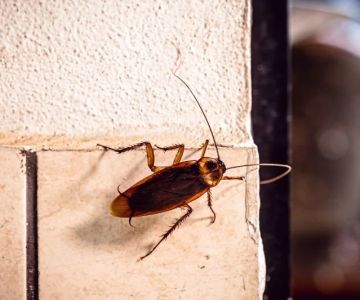
Even after professional treatment, pests can return if preventive measures are not properly implemented. Understanding the factors that contribute to reinfestation is the first step in keeping your home pest-free. Pests such as termites, cockroaches, rodents, and ants have unique behaviors and life cycles that influence how quickly they might reappear after treatment.
Carolina Honeybee Removal
ColumbiaRichland CountySouth Carolina
212 Sommerset Dr, Columbia, SC 29223, USA
1.1 Pest Behavior Insights
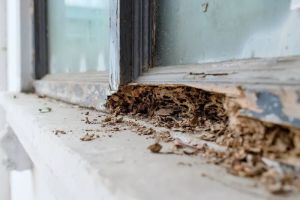
Pests often seek shelter, food, and breeding grounds in predictable patterns. For example, termites establish colonies underground and may rebuild if the source of infestation is not completely addressed. Similarly, rodents are excellent at finding entry points, making it essential to secure your home thoroughly.
1.2 Importance of Timing
Immediate follow-up actions after treatment significantly reduce the chance of pests returning. Delaying preventive steps can allow surviving pests to recolonize your home rapidly.
2. Common Causes of Pest Reinfestation
Several factors can contribute to the return of pests after treatment, including:
2.1 Incomplete Treatment
If some areas are missed during initial pest control, surviving pests can repopulate quickly. Thorough inspection and comprehensive treatment coverage are critical.
2.2 Environmental Factors
Nearby vegetation, standing water, and neighboring infested properties can serve as continuous sources of pests, making ongoing prevention necessary.
2.3 Home Vulnerabilities
Cracks, gaps, or poorly sealed windows and doors provide easy access for pests. Structural vulnerabilities can undermine even the most effective treatments.
3. Immediate Post-Treatment Actions
After a pest control service, certain immediate measures can help prevent a resurgence:
3.1 Follow Technician Instructions
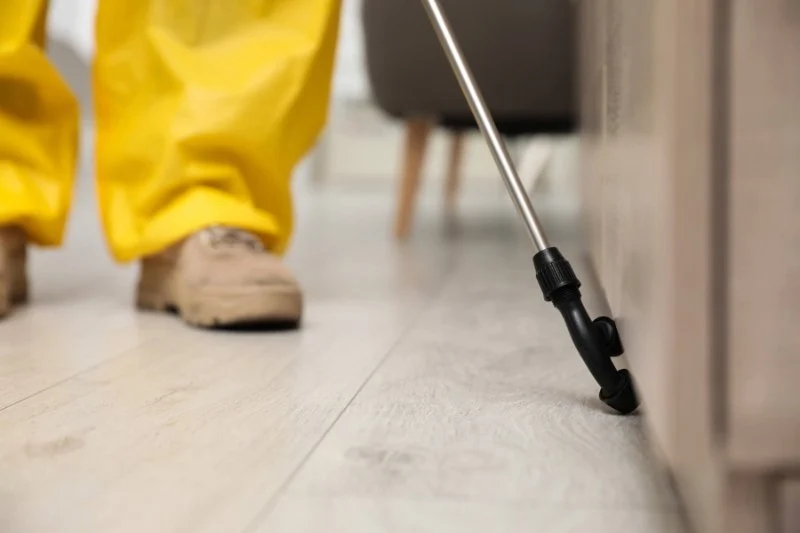
Most pest control professionals provide guidelines on restricted areas, safe re-entry times, and maintenance routines. Adhering strictly to these instructions ensures optimal treatment effectiveness.
3.2 Remove Residual Pests and Debris
Cleaning dead insects, debris, and leftover bait or traps reduces the attraction for new pests. This step also allows you to monitor areas for potential reinfestation signs.
3.3 Monitor High-Risk Areas
Pay attention to basements, attics, kitchens, and other vulnerable locations. Early detection of returning pests allows for quick response and containment.
4. Long-Term Prevention Strategies
Consistent strategies over time are essential to prevent pests from returning:
4.1 Seal Entry Points
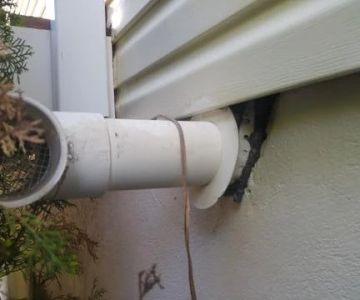
Inspect your home for cracks, gaps, and openings in doors, windows, and walls. Use weather-stripping, caulking, and mesh screens to block potential entry routes.
4.2 Maintain Cleanliness
Regular cleaning, proper food storage, and timely disposal of garbage reduce attractions for pests. Vacuuming and sweeping remove crumbs and debris that pests feed on.
4.3 Moisture Control
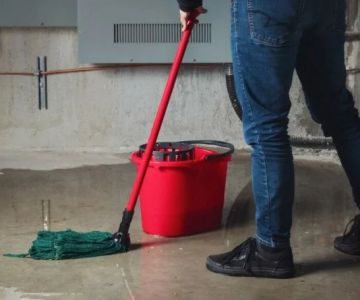
Repair leaks, maintain gutters, and eliminate standing water to make your home less hospitable for pests such as mosquitoes, termites, and ants.
5. Home Maintenance Tips to Prevent Pests
Routine home care significantly contributes to long-term pest control:
5.1 Landscaping Practices
Keep shrubs and plants trimmed, avoid overgrown vegetation near walls, and create a dry perimeter around the house to reduce pest harborage.
5.2 Regular Inspections
Conduct seasonal inspections for signs of pests, moisture issues, or structural damage. Early detection prevents small problems from becoming major infestations.
5.3 Waste Management
Store trash in sealed containers, clean compost bins regularly, and maintain a hygienic outdoor area to avoid attracting rodents and insects.
6. Natural and Eco-Friendly Pest Prevention
For environmentally conscious homeowners, integrating natural solutions can help prevent pest return:
6.1 Essential Oils and Natural Repellents
Use peppermint oil, neem oil, or diatomaceous earth around potential entry points. These products repel pests without harmful chemicals.
6.2 Beneficial Insects
Introduce predator species such as ladybugs or praying mantises to control garden pests naturally, creating a balanced ecosystem.
6.3 Integrated Pest Management (IPM)
IPM combines monitoring, sanitation, and biological controls to prevent pest infestations in a sustainable, long-term manner.
7. Professional Services and Follow-Ups
Engaging professionals and scheduling follow-ups ensures thorough pest management:
7.1 Routine Inspections
Regular visits from pest control experts help maintain protection and identify early signs of reinfestation.
7.2 Customized Treatment Plans
Professionals can tailor solutions based on your home’s specific vulnerabilities, pest types, and local environmental conditions.
7.3 Follow-Up Support
Most pest control services offer follow-up support to reinforce preventive measures and ensure long-term pest-free results.
8. Real-Life Success Stories
A family in California struggled with recurring ant infestations. After engaging a professional service, they implemented home sealing, routine monitoring, and eco-friendly repellents. Within six months, they experienced zero reinfestation, illustrating how combined strategies are effective.
In another case, a homeowner in New York dealt with persistent rodent issues. By upgrading waste management, installing door sweeps, and scheduling quarterly inspections through a professional service, the home remained pest-free for over a year.
9. Resources and Recommendations
For comprehensive advice on preventing pest return and accessing professional solutions, PestControlHub provides resources, tips, and service recommendations. Leveraging these expert resources helps ensure your home stays protected long-term while promoting safe and effective pest management.


 Economy Pest Control4.0 (38 reviews)
 Professional Pest Services Inc.5.0 (11 reviews)
 Baskin's Termite & Pest Control4.0 (18 reviews)
 National Pest Supplies4.0 (36 reviews)
 LI Organic Tick Control5.0 (11 reviews)
 Natural Way Lawn, Tree & Pest Control Service4.0 (291 reviews)
 How to Control Termites in Hard-to-Reach Areas: Effective Solutions
 How to Control Pests in Crawl Spaces: Effective Methods for a Pest-Free Home
 How to Seal Pest Entry at Foundation Corners: A Step-by-Step Guide
 How to Control Pests in Crawl Space Vents
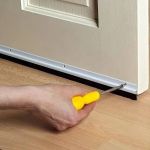 How to Seal Pest Entry at Crawlspace Doors
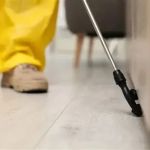 How to Prevent Pest Return After Treatment: Effective Strategies