

- understanding-pest-control-warranty-offers-coverage-details-and-service-structure
- types-of-pest-control-warranties-annual-plans-vs-lifetime-coverage
- what-to-check-before-signing-pest-control-contract-terms-and-conditions
- hidden-limitations-in-pest-control-service-guarantee-and-exclusions
- real-world-example-how-warranty-claims-work-in-pest-control-services
- how-to-compare-pest-control-protection-plan-value-vs-cost
Understanding Pest Control Warranty Offers: What They Really Promise
When homeowners or business operators first encounter a pest control warranty, it often sounds reassuring—“full protection,” “free reservice,” or even “lifetime coverage.” But the real value of any pest control warranty depends on how clearly those promises are defined. In the United States, where seasonal pest activity varies widely, a warranty is less about marketing language and more about structured service obligations between provider and customer.
A typical pest control service guarantee outlines what types of pests are covered, how often inspections occur, and under what conditions a technician will return at no additional cost. However, not all pests or situations are included, and that’s where careful evaluation becomes essential.
Many people assume a warranty means “pest-free forever,” but in practice, it usually means “managed under specific conditions.” Understanding this distinction is the first step in making an informed decision.
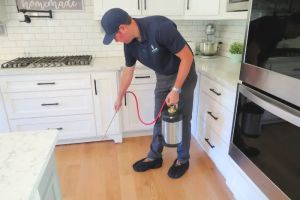
Defense Pest Solutions
LawrenceburgAnderson CountyKentucky
1011 Goshen Rd, Lawrenceburg, KY 40342, USA
Types of Pest Control Warranties and How They Differ
1. Annual Pest Control Protection Plans
Annual plans are the most common form of pest control protection plan. These typically include quarterly or bi-monthly treatments along with reservice visits if pests return between scheduled treatments. The advantage is predictable cost and ongoing monitoring.
For example, a homeowner in Florida dealing with ants and cockroaches may find that an annual plan offers consistent suppression, especially during humid summer months when pest activity peaks.
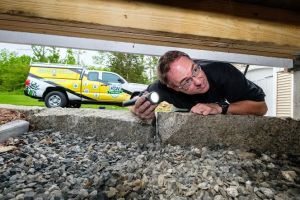
F&W Pest Control
FraminghamMiddlesex CountyMassachusetts
801 Water St Suite 201, Framingham, MA 01701, USA
2. Termite Warranty Coverage and Structural Protection
Termite warranties are often more complex because structural damage risk is higher. These plans may include annual inspections, baiting system maintenance, and sometimes repair coverage depending on the provider.
A strong termite warranty coverage should clearly state whether repairs are included or if the warranty only covers retreatment. This distinction can mean thousands of dollars in difference if an infestation causes structural issues.
3. Lifetime or Extended Service Guarantees
Some companies offer lifetime warranties, which sound appealing but often require continuous payment or strict compliance with inspection schedules. Missing even one scheduled inspection can void the coverage.
These plans are best evaluated carefully, especially in regions with heavy pest pressure like the southeastern United States.
What to Check Before Signing Pest Control Contract Terms
Service Frequency and Inspection Requirements
One of the most important elements in any pest control contract terms is how often service visits occur. A strong warranty usually includes regular inspections and clearly defined response times for emergency reservice.
For instance, if a rodent issue appears between quarterly visits, the contract should specify whether technicians return within 24–72 hours without additional cost.
Covered and Excluded Pest Types
Not all pests are included in standard warranties. Many basic plans exclude termites, bed bugs, or wildlife infestations. This is why reading the exclusions section is just as important as reviewing the coverage list.
Some customers only realize gaps in coverage after encountering a specific infestation, leading to unexpected out-of-pocket costs.
Re-Treatment Policy and Limitations
A pest control reservice policy defines how many times a company will return if pests persist. Some companies offer unlimited reservice, while others cap visits per year.
Unlimited reservice may sound ideal, but it often comes with strict conditions such as requiring the customer to maintain sanitation standards or structural repairs.
Hidden Limitations in Pest Control Warranty Coverage
Environmental and Structural Conditions
Many warranties exclude infestations caused by structural defects, moisture issues, or external environmental conditions. For example, a recurring ant problem caused by a leaking pipe may not be fully covered.
This is where professional inspection becomes critical. A technician may recommend repairs before treatment can be fully effective.
Customer Responsibility Clauses
Some warranties include clauses requiring homeowners to follow prevention guidelines, such as sealing food containers or removing clutter. Failure to comply can void coverage.
While these requirements may seem strict, they reflect the reality that pest control is a shared responsibility between provider and property owner.
Geographic and Seasonal Limitations
In certain regions, seasonal pest surges can temporarily exceed standard warranty expectations. For example, summer ant invasions or winter rodent migration patterns may require additional intervention beyond routine service.
Real-World Example: How Warranty Claims Actually Work
A restaurant owner in Texas once reported recurring cockroach activity despite having an active pest control warranty. Initially frustrated, they assumed the service provider was not fulfilling obligations. However, after inspection, technicians discovered a hidden moisture leak behind kitchen equipment that was continuously attracting pests.
The warranty covered re-treatment, but not structural repair. Once the leak was fixed, the infestation stopped completely. This case highlights a common misunderstanding: warranties are not standalone solutions—they work best alongside proper maintenance.
Businesses that rely heavily on cleanliness, especially in the food industry, often benefit from reviewing resources like PestControlHub to better understand service expectations and prevention strategies.
How to Compare Pest Control Warranty Value vs Cost
Long-Term Cost Efficiency
A cheaper warranty is not always the most cost-effective. A low-cost plan with limited coverage may lead to repeated out-of-pocket expenses for exclusions or emergency treatments.
Instead, evaluating total annual cost—including reservice visits, inspections, and potential add-ons—gives a clearer financial picture.
Service Reliability and Response Time
Response time is often a stronger indicator of quality than price. A warranty that guarantees quick technician response can prevent small infestations from becoming large-scale problems.
Delays in service, even under warranty, can allow pests like termites or rodents to multiply rapidly, increasing damage risk.
Reputation and Transparency of Provider
A trustworthy pest control provider clearly explains warranty conditions without hidden clauses. Transparent communication is often a sign of reliable long-term service.
Reading real customer experiences and understanding how companies handle claims can provide insight into whether a warranty is truly valuable or just marketing language.




 Team Veterans Pest Control5.0 (64 reviews)
 Terminix4.0 (674 reviews)
 Bug Runner-Exterminating Co4.0 (373 reviews)
 Grove Pest Control4.0 (73 reviews)
 Animal Remover4.0 (1484 reviews)
 Lakeshore Pest Control4.0 (22 reviews)
 How to Use Diatomaceous Earth for Safe Pest Control - Natural and Effective Solutions
 How to Prevent Pest Spread from Neighboring Properties | PestControlHub
 How to Use Low-Toxic Baits for Rodents: A Safer Way to Control Pests
 Safe Pest Control Around Food Storage Areas – Tips for Effective and Safe Solutions
 Seasonal Pest Prevention Checklist for Spring
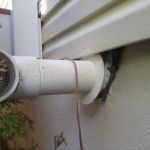 How to Stop Pests From Entering Through Gaps Around Pipes