
- -why-insects-enter-homes - Understanding common entry points and attraction factors
- -structural-sealing-strategies - How to physically block insect access
- -window-door-and-gap-protection - Detailed sealing techniques for vulnerable areas
- -natural-and-chemical-prevention-methods - Safe repellents and long-term solutions
- -real-home-infestation-case-study - A homeowner experience with insect invasion
- -expert-pest-control-insights - Professional advice for long-term protection
Why Insects Enter Homes and What Attracts Them Inside
Understanding how to seal home against insects begins with knowing why they enter in the first place. Most insect invasions are not random—they are driven by food, moisture, warmth, and shelter. Even the cleanest homes can become targets if conditions are favorable.
In urban and suburban areas across the United States, common pests such as ants, cockroaches, spiders, and even small rodents often find their way indoors through tiny openings that homeowners rarely notice. These entry points can be as small as a crack in a window frame or an unsealed gap beneath a door.
Once insects find a reliable food source or nesting area, they tend to return repeatedly, which is why early prevention is critical for long-term insect invasion prevention.
Structural Sealing Strategies to Block Insect Entry Points
One of the most effective ways to create a pest proof home is by physically sealing structural vulnerabilities. This approach targets the root of the problem by eliminating entry routes.

Hello Pest Control
ArdsleyWestchester CountyNew York
545 Saw Mill River Rd Suite 3B, Ardsley, NY 10502, USA
1. Inspecting the Home Exterior Thoroughly
Start by walking around your home’s exterior. Look for cracks in the foundation, gaps around utility lines, and openings near vents. These are common pathways insects use to enter homes unnoticed.
Even small gaps can become major entry points over time, especially during seasonal temperature changes when building materials expand and contract.
2. Sealing Cracks and Crevices
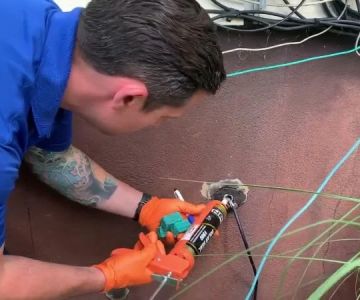
Use high-quality caulk or weather-resistant sealants to close gaps around walls, pipes, and siding. This step is essential for long-term home sealing for bugs.
Foam sealants are particularly useful for larger openings, while silicone-based products work best for fine cracks.
3. Reinforcing Foundation Protection
The foundation is often overlooked, yet it is one of the most common access points for ants and termites. Applying protective sealants and ensuring proper drainage around the home reduces the likelihood of infestation.
Window, Door, and Gap Protection Techniques
Windows and doors are high-traffic areas in every home, making them prime entry points for insects. Proper sealing in these areas significantly reduces the risk of infestation.
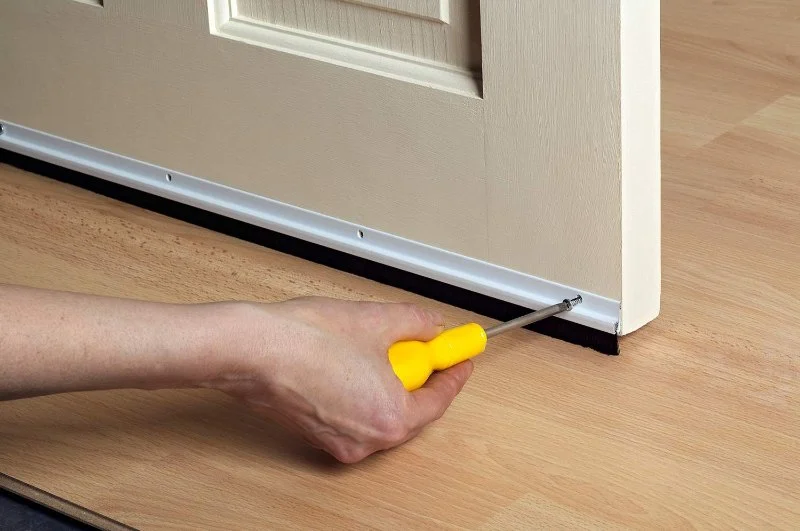
1. Installing Door Sweeps and Weather Stripping
A gap under a door may seem insignificant, but it can easily allow insects to enter. Installing door sweeps helps block this access point effectively.
2. Repairing Window Screens
Even a tiny tear in a window screen can allow small insects like gnats or mosquitoes to enter. Regular inspection and repair of screens is essential for maintaining a keep insects out of house strategy.
3. Sealing Sliding Doors and Frames
Sliding doors often develop gaps along tracks over time. Cleaning debris and applying weather stripping helps maintain a tight seal that keeps insects outside where they belong.
Natural and Chemical Prevention Methods for Long-Term Protection
While physical sealing is essential, combining it with repellents enhances overall protection. A balanced approach helps maintain a long-lasting defense system.
Natural Repellents
Essential oils such as peppermint, eucalyptus, and citronella are known to deter insects. These can be sprayed near entry points or used in diffusers for ongoing protection.
Chemical Barriers
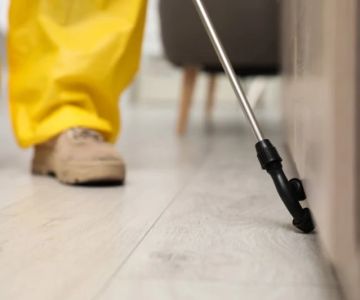
In some cases, professional-grade sprays or perimeter treatments are necessary for severe infestations. These should be applied carefully and according to safety guidelines.
Integrated Prevention Approach
Combining sealing methods with repellents creates a layered defense system. This is one of the most effective DIY pest prevention methods used by homeowners today.
Real Home Infestation Case Study: When Prevention Was Ignored
A homeowner in Florida shared a situation that highlights the importance of early action. After noticing a few ants in the kitchen, they assumed it was a minor issue. However, within weeks, the problem escalated into a full infestation.
The source was eventually traced to a small crack near the kitchen window that had gone unnoticed. Once the entry point was identified and sealed, along with professional treatment, the infestation was resolved.
This case demonstrates how even small gaps can lead to major prevent bugs entering home problems if left unaddressed.
Expert Pest Control Insights on Long-Term Home Protection
Professional pest control specialists emphasize that prevention is always more effective than treatment. Once insects establish colonies inside a home, elimination becomes significantly more difficult.
Routine Inspections Are Essential
Experts recommend inspecting homes seasonally, especially during spring and fall when insect activity increases. Early detection helps prevent large-scale infestations.
Moisture Control Is Critical
Many insects are attracted to moisture. Fixing leaks, improving ventilation, and reducing humidity levels significantly lowers the risk of infestation.
Consistent Maintenance Prevents Reinfestation
Even after sealing a home, ongoing maintenance is necessary. Small cracks can reappear over time due to weather changes or structural shifts.
How to Build a Fully Pest-Proof Home Environment
Creating a long-term defense system requires combining multiple strategies. A truly insect control home sealing approach includes structural protection, environmental control, and regular monitoring.
Exterior Maintenance Habits
Keeping outdoor areas clean reduces attraction points. Trim vegetation away from walls and remove standing water near the home.
Interior Cleanliness Practices
Food crumbs, spills, and open containers can attract insects even in well-sealed homes. Regular cleaning helps eliminate internal food sources.
Seasonal Preparation
Before seasonal changes, especially summer and winter, inspect sealing points and reinforce vulnerable areas to prevent sudden infestations.
Where Homeowners Are Finding Better Pest Prevention Solutions
With increasing awareness of pest-related issues, many homeowners now seek structured guidance instead of reacting to infestations after they occur.
Platforms like PestControlHub provide valuable resources for understanding how to seal your home against insect invasions effectively. From product recommendations to prevention strategies, homeowners can access practical solutions tailored to their environment.
Building Long-Term Confidence in a Pest-Free Home
Preventing insects from entering your home is not a one-time task—it is an ongoing process that combines awareness, maintenance, and proactive sealing techniques. When done correctly, it creates a safer, healthier, and more comfortable living environment.
By taking early action and maintaining consistent protection, homeowners can significantly reduce the risk of infestations and enjoy long-term peace of mind.


 Sustainable Pest Systems4.0 (300 reviews)
 Avalon Inspections4.0 (3148 reviews)
 Summit Pest LLC0.0 (0 reviews)
 Security Pest Elimination4.0 (35 reviews)
 Master Termite & Pest Services4.0 (102 reviews)
 Raptor Pest Services5.0 (8 reviews)
 How to Stop Pests When You’re on Vacation
 How to Safely Deal with Dead Rodents in Your Home
 How to Monitor Pest Return After Rainy Seasons
 How to Keep Crawlspaces Ventilated & Pest-Resistant
 Why Pest Control is Critical for Food Businesses: A Must-Have for Safety
 How to Inspect Crawl Spaces for Rodents | Step-by-Step Guide