
- garden-design-basics-structuring-a-pest-resistant-layout
- soil-health-and-natural-defense-building-strong-plants-from-the-ground-up
- companion-planting-strategies-natural-pest-control-synergy
- natural-deterrents-herbs-flowers-and-biological-balance
- maintenance-routines-and-long-term-garden-protection
- real-world-gardener-examples-and-seasonal-adjustments
Garden Design Basics: Structuring a Naturally Resistant Outdoor Space
A garden becomes significantly more resilient to pests when it is designed with intention rather than planted randomly. The structure of planting beds, spacing between crops, and airflow patterns all influence how insects and diseases behave.
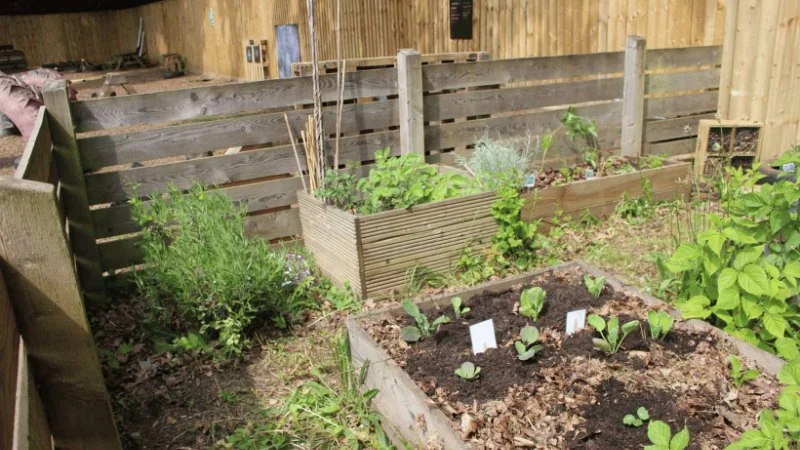
A common mistake many home gardeners make in the United States is over-planting in tight rows. While it may look productive at first, dense planting traps humidity and creates a perfect environment for aphids, fungus gnats, and mildew. Instead, a well-planned layout allows sunlight to reach the soil surface and discourages pest colonies from settling in.
Think of your garden as a living system rather than a collection of individual plants. When airflow improves and moisture is balanced, you naturally reduce pest pressure without relying heavily on chemical sprays. This foundational approach is one of the core principles of building a long-lasting pest-resistant garden.

Pest Control Technicians, Inc.
NorristownMontgomery CountyPennsylvania
1007 W Main St, Norristown, PA 19401, USA
Soil Health and Natural Defense: Strength Starts Underground
Healthy soil is the silent defense system of any strong garden. Plants growing in nutrient-rich, biologically active soil are far less likely to suffer from insect attacks or disease outbreaks.
Instead of focusing only on visible pests, experienced gardeners pay attention to microbial life in the soil. Compost, organic matter, and natural fertilizers encourage beneficial bacteria and fungi that help plants develop stronger immune responses.
A real-world example comes from a community garden project in Oregon where tomato plants were repeatedly damaged by whiteflies. After shifting from synthetic fertilizer to compost-based soil enrichment over one season, plant resilience increased noticeably, and pest damage dropped by nearly half. The change wasn’t immediate, but it proved how soil health directly influences pest resistance.
This is also where resources like PestControlHub can be helpful for gardeners looking to explore safe and balanced soil care methods that support long-term garden protection without harsh chemicals.

Superior Pest Solutions
FarmvillePrince Edward CountyVirginia
3098 Worsham Rd, Farmville, VA 23901, USA
Companion Planting Strategies: Natural Pest Control Through Plant Relationships
Companion planting is one of the most effective natural pest control strategies. It works by pairing plants that support each other’s growth or repel harmful insects.
For example, basil planted near tomatoes can reduce the presence of hornworms and whiteflies. Marigolds are widely known for deterring nematodes in the soil while also attracting pollinators above ground. These relationships are not random folklore—they are based on scent masking, root secretions, and ecological interaction.
A well-designed pest-resistant garden often includes multiple companion layers: ground covers, mid-height herbs, and taller fruiting plants. Each layer contributes to disrupting pest movement and reducing monoculture vulnerability.
One interesting trend seen in suburban Texas gardens is the integration of edible herbs as border plants. Instead of fencing off vegetable beds with artificial barriers, gardeners plant rosemary and thyme along edges. These aromatic herbs confuse insects and reduce the likelihood of infestation spreading inward.
Natural Deterrents: Herbs, Flowers, and Ecological Balance
Beyond companion planting, certain plants act as natural pest deterrents due to their scent profiles and chemical compounds. Lavender, mint, lemongrass, and garlic are commonly used in organic gardening systems.
However, the effectiveness of these deterrents depends on placement and diversity. A single row of mint will not protect an entire garden, but strategically distributed clusters can significantly reduce pest activity in surrounding areas.
Flowers also play a critical role. Sunflowers attract beneficial insects like ladybugs and lacewings, which feed on aphids and mites. Nasturtiums act as “trap plants,” drawing pests away from more valuable crops.
This ecological balance approach mirrors natural ecosystems, where no single species dominates unchecked. When biodiversity increases, pest outbreaks naturally stabilize over time.
Maintenance Routines and Long-Term Garden Protection
Even the most carefully designed garden requires consistent maintenance. Regular inspection is one of the most overlooked aspects of pest prevention.
Checking the underside of leaves, rotating crops each season, and removing decaying plant matter all contribute to reducing pest habitats. Watering habits also matter—overhead watering late in the day can create moisture conditions that attract insects and fungal growth.
A practical routine many experienced gardeners follow involves a weekly “slow walk inspection.” Instead of rushing, they observe plant color changes, leaf texture, and soil condition. Early detection is often the difference between a minor issue and a full infestation.
In integrated gardening communities across California, this routine has become standard practice, especially in shared urban gardens where pest spread can occur quickly between adjacent plots.
Real-World Gardener Experiences and Seasonal Adjustments
Seasonal changes dramatically affect pest behavior. In spring, aphids and caterpillars tend to dominate, while summer brings spider mites and beetles. Understanding these cycles allows gardeners to adjust strategies proactively rather than reactively.
One home gardener in North Carolina shared how her zucchini plants were repeatedly destroyed every summer until she introduced a seasonal rotation system and integrated nasturtiums as trap plants. Within two seasons, crop loss dropped significantly.
This kind of adaptive gardening is what transforms a standard backyard into a resilient ecosystem. Instead of fighting pests constantly, the system is designed to discourage them from establishing in the first place.
As gardening becomes more popular among younger homeowners in the United States, interest in eco-friendly and low-maintenance systems continues to grow. Platforms like PestControlHub often highlight these natural approaches because they align with long-term sustainability and safer home environments.


 Lawn and Landscape Care by Mike Wiegman0.0 (0 reviews)
 Nextgen Pest Solutions5.0 (703 reviews)
 Peachtree Pest Control4.0 (1802 reviews)
 Sawyer Termite - Pest control4.0 (242 reviews)
 Wildlife Nuisance Control2.0 (5 reviews)
 Terminix Triad4.0 (209 reviews)
 How to Use Smart Pest Detectors in Basements
 How to Use Low-Toxic Sprays Safely: A Comprehensive Guide for Homeowners
 How to Keep Pests Out of Outbuildings
 How to Use Barrier Treatments in Floor Joints for Effective Pest Control
 How to Handle Pest Damage Claims With Insurance
 How to Use Natural Oils for Pest Prevention