
Understanding the Real Challenge Behind Hidden Termite Activity
- foundation-access-difficulty-why-termites-hide-in-deep-structures
- wall-void-infestation-signs-and-indirect-warning-clues
- roof-beam-and-flooring-risk-zones-often-overlooked-by-homeowners
- moisture-driven-colony-growth-in-inaccessible-spaces
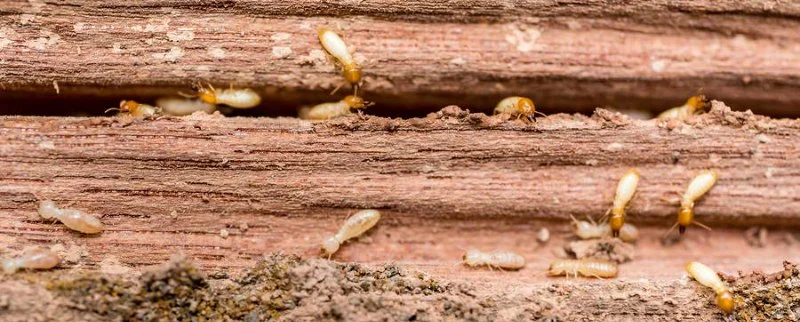
Termites are not just surface-level pests. When people search for how to control termites in hard-to-reach areas, they are usually already dealing with a deeper problem: colonies that have silently spread inside walls, under flooring, or even within structural beams. These spaces are rarely visible, which is exactly what makes termite infestations so destructive over time.
One homeowner in Florida shared a situation where everything looked normal from the outside—fresh paint, solid walls, no visible damage. But behind the drywall, termites had been active for nearly two years. By the time they were discovered, the cost of repair exceeded the original home renovation budget. This is not rare; it is actually one of the most common patterns in hidden termite infestations.
The biggest issue is moisture combined with darkness. Termites thrive where humans rarely inspect. That is why understanding how to control termites in hard-to-reach areas is less about quick fixes and more about strategic detection and layered treatment.

Identifying Hidden Entry Points Before Damage Spreads
- cracks-in-foundation-and-expansion-joints-as-entry-pathways
- pipe-penetrations-and-electrical-conduit-gaps-in-walls
- roof-intersections-and-attic-void-access-points
- underground-soil-contact-zones-near-wood-structures
Most termite infestations begin in unnoticed structural gaps. These are not obvious holes or broken areas, but micro-openings where wood meets soil, concrete meets framing, or pipes pass through walls. A small gap is enough for subterranean termites to begin building invisible tunnels.
A contractor in Texas once found termite mud tubes traveling through an unused plumbing pipe cavity. The homeowner had no idea that an old renovation shortcut became a highway for pests. This highlights why inspection is just as important as treatment.
When thinking about how to control termites in hard-to-reach areas, detection must come first. Without identifying entry points, treatment often becomes temporary and ineffective.

Four Paws Lawn Care
MashpeeBarnstable CountyMassachusetts
46 Nicolettas Way #9, Mashpee, MA 02649, USA
DIY Approaches for Treating Hidden Termite Zones
- bait-station-placement-near-inaccessible-wood-structures
- borate-treatment-application-in-wall-voids-and-cracks
- foam-based-termite-sprays-for-deep-crevices
- moisture-reduction-strategies-to-limit-colony-expansion
Homeowners often try DIY methods first, especially when infestations seem small or localized. While professional treatment is often necessary for severe cases, early-stage infestations in hidden areas can sometimes be slowed or controlled with targeted methods.
Bait stations are one of the most effective approaches because termites carry poisoned bait back to the colony. This indirect method is especially useful in areas you cannot physically reach. Borate treatments are also commonly used because they penetrate wood fibers and create long-term resistance.
One practical story comes from a homeowner in California who used bait stations around a garage foundation after noticing faint mud tubes. Over three months, activity decreased significantly before professional reinforcement was added. This combined approach prevented major structural damage.
However, DIY methods require patience. Termites do not disappear overnight, especially when colonies are deep inside structures. That is why combining multiple strategies is key when learning how to control termites in hard-to-reach areas.
For stronger protection tools and treatment options, many homeowners turn to trusted resources like PestControlHub to explore professional-grade solutions tailored to hidden infestations.
Why Professional Termite Control Is Often Necessary
- thermal-imaging-and-moisture-scanning-for-hidden-colonies
- drill-and-inject-chemical-barrier-technology
- fumigation-for-extreme-or-wide-spread-infestations
- structural-assessment-for-long-term-prevention-planning
When termites reach deep structural areas, DIY methods alone are rarely enough. Professionals use advanced detection tools that can locate colonies behind walls without invasive demolition. Thermal imaging and moisture meters can reveal hidden activity patterns that are impossible to detect visually.
In severe infestations, technicians may drill small access points to inject termiticides directly into affected areas. This method ensures the treatment reaches exactly where termites are active rather than relying on surface application.
A notable case involved a historic home where termites had spread through attic beams and interior walls. Only after fumigation and structural reinforcement was the infestation fully controlled. The homeowner initially underestimated the extent because no visible damage was present at ground level.
Professional intervention becomes especially important when dealing with how to control termites in hard-to-reach areas because accuracy matters more than quantity of treatment.
Environmental Conditions That Encourage Hidden Termite Growth
- excess-indoor-humidity-from-plumbing-or-ventilation-issues
- wood-to-soil-contact-in-outdoor-structures
- poor-drainage-around-home-foundations
- unsealed-cracks-that-trap-moisture-and-heat
Termites do not appear randomly. They follow environmental signals. Moisture is the strongest factor, especially in hidden environments like crawl spaces or basement walls. Even small plumbing leaks can create ideal conditions for colony expansion.
Homes with poor drainage often experience repeated termite issues because water collects near foundations, making underground travel easier for pests. This is why prevention is just as important as treatment.
Reducing moisture, sealing structural gaps, and improving airflow are long-term strategies that significantly reduce the risk of hidden infestations.
Preventive Strategies That Keep Hidden Areas Protected
- routine-professional-inspections-every-6-to-12-months
- installing-physical-termite-barriers-in-foundation-zones
- regular-moisture-monitoring-in-attics-and-basements
- landscape-management-to-reduce-wood-contact-with-soil
Prevention is often overlooked until damage becomes visible. Regular inspections are one of the most effective ways to detect early signs of termite activity in inaccessible areas. Professionals can identify mud tubes, hollow wood, or moisture anomalies before structural damage occurs.
Physical barriers installed during construction or renovation also help block subterranean entry points. Combined with proper landscaping—keeping mulch and wood away from foundations—these steps dramatically reduce risk.
A homeowner in Arizona shared that after switching to annual inspections and improving drainage around the house, termite activity stopped completely despite living in a high-risk region.
Long-Term Thinking for Structural Protection
Learning how to control termites in hard-to-reach areas is not just about solving an immediate problem. It is about building a long-term defense system for your home. Termites are persistent, but predictable. They follow moisture, access points, and untreated wood.
By combining early detection, targeted treatment, and preventive maintenance, homeowners can significantly reduce risk and avoid expensive repairs. Whether using DIY methods or professional intervention, the key is consistency and awareness of hidden zones that are often ignored.
For those looking to explore more advanced solutions or pest control tools designed specifically for hidden infestations, PestControlHub offers resources that can help guide the next steps in protecting your property.


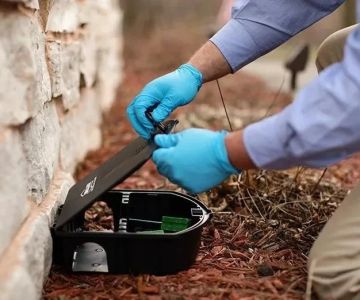
 Eco Pest Solutions4.0 (86 reviews)
 Sage Pest Control4.0 (1739 reviews)
 The Bucher Honey Company5.0 (22 reviews)
 Pest USA4.0 (3 reviews)
 Restoration Pest Management, LLC5.0 (140 reviews)
 Pest Professor, LLC5.0 (34 reviews)
 How to Use Biological Control Agents in Home Use for Effective Pest Management
 How to Use Preventative Barriers for All Seasons
 How to Keep Crawlspaces Ventilated & Pest-Free
 How to Prevent Pest Intrusions at Door Frames: Effective Solutions for Homeowners
 How to Use Smart Technology for Rodent Control
 How to Prevent Pest Intrusion via Landscaping: Tips for a Pest-Free Yard