
- pest-harborage-basics - Understanding where pests hide and why monitoring matters
- common-hiding-spots - Key structural and environmental pest harborage areas
- monitoring-techniques - Practical inspection and detection strategies
- prevention-strategies - How to reduce pest attraction and nesting
- real-case-insights - Lessons from real pest infestation scenarios
Why Pest Harborage Monitoring Is Critical in Modern Homes
In many suburban and urban homes across the United States, pest problems rarely start in the open. They begin quietly in hidden environments known as pest harborage areas—places where insects and rodents find shelter, food, and moisture without being disturbed.
A homeowner in Florida once noticed occasional scratching sounds in the attic but ignored them for weeks, assuming it was just weather-related noise. By the time an inspection was done, a full rodent colony had established itself in insulation layers. This type of scenario is extremely common and highlights why pest monitoring guide practices are essential for early detection.
Understanding how pests behave and where they prefer to hide is the foundation of effective pest control inspection strategies. Without this knowledge, infestations often grow unnoticed until damage becomes expensive to repair.

A-1 Bed Bug Heat Remediation
SpringfieldSangamon CountyIllinois
3842 Tuxhorn Rd, Springfield, IL 62712, USA
Understanding Pest Harborage Areas in Detail
1. Structural Gaps and Hidden Voids
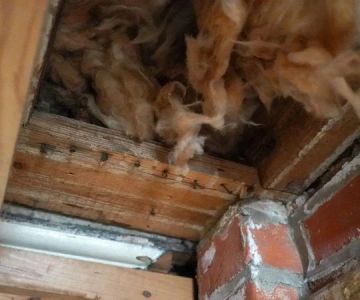
One of the most common pest harborage areas includes wall voids, attic spaces, and crawl spaces. These areas provide warmth, protection, and minimal human disturbance, making them ideal nesting zones for rodents and insects.
Small cracks around foundations or poorly sealed utility entry points often become entry highways for pests. Over time, these minor vulnerabilities turn into full infestation routes.

2. Moisture-Prone Zones
Moist environments are extremely attractive to pests such as cockroaches, termites, and silverfish. Basements, under-sink cabinets, and poorly ventilated bathrooms often become breeding zones due to consistent humidity.
Even minor leaks under kitchen sinks can create long-term infestation risks if not addressed promptly. Moisture control is therefore a major pillar of pest detection methods.
3. Outdoor Accumulation Areas
Outside the home, cluttered yards, wood piles, and dense vegetation often act as external harborage zones. These areas serve as staging points before pests move indoors.
One pest control technician in California shared a case where a termite infestation originated from untreated firewood stacked directly against a home’s exterior wall. This simple oversight allowed pests direct access into structural wood.
How to Monitor Pest Activity Effectively
1. Routine Visual Inspections
Regular inspection is the most reliable method for early detection. Homeowners should periodically check basements, attics, garages, and storage areas for droppings, chew marks, or nesting materials.
Consistency matters more than complexity. A monthly walkthrough can significantly reduce the risk of undetected infestations.
2. Use of Monitoring Devices
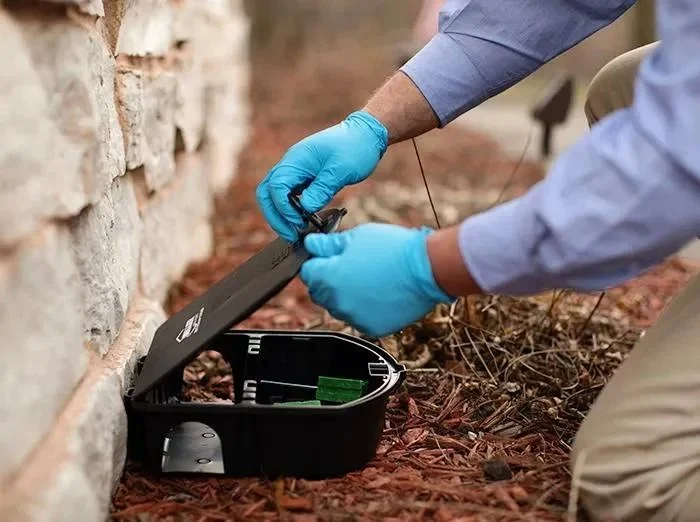
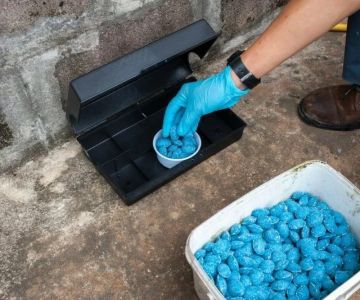
Sticky traps, bait stations, and motion-based sensors are commonly used in professional pest control inspection routines. These tools help identify pest presence before visible damage occurs.
Strategically placing monitoring devices near suspected pest harborage areas increases detection accuracy and helps map pest movement patterns.
3. Tracking Environmental Changes
Pests often leave subtle environmental clues. Unusual odors, small grease trails, or unexplained damage to packaging materials can indicate early infestation stages.
Professionals often rely on these indirect indicators when direct sightings are rare. This is especially useful in hidden structural zones where pests remain out of view.
Behavioral Patterns That Reveal Hidden Infestations
Rodent Movement and Nesting Behavior
Rodents typically follow repetitive pathways between food sources and nesting sites. These routes often appear as dark smudge lines along walls or baseboards.
Identifying these trails helps locate primary pest harborage areas and allows targeted treatment rather than broad pesticide application.
Insect Colony Expansion Patterns
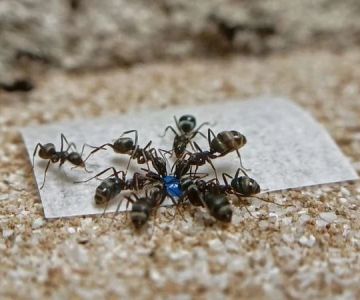
Insects like ants and termites expand gradually from a central colony. Early detection often depends on noticing satellite colonies or scattered activity near moisture-rich zones.
Ignoring small clusters often leads to rapid population expansion within walls or flooring structures.
Preventive Strategies to Reduce Pest Harborage Risks
Sealing Entry Points
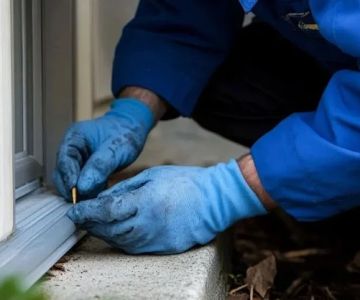
One of the most effective prevention strategies is sealing all potential entry points. This includes gaps around doors, windows, pipes, and vents. Even tiny openings can allow insects or rodents to enter and establish nesting zones.
Eliminating Food and Water Sources
Pests are primarily driven by survival needs. Proper food storage, quick cleanup of spills, and fixing leaks dramatically reduce attraction levels.
A homeowner in Texas once eliminated a persistent ant problem simply by repairing a slow faucet leak under the kitchen sink. The moisture source was the primary attractant.
Reducing Clutter and Organic Waste
Cluttered spaces provide ideal shelter for pests. Regular cleaning and proper waste disposal reduce available harborage zones significantly.
This is especially important in garages, basements, and storage sheds where unused materials often accumulate unnoticed.
Real Case Insight: A Multi-Unit Apartment Infestation
In a multi-unit apartment complex in New York, residents reported recurring cockroach issues despite regular extermination treatments. Investigations revealed that pest harborage areas existed within shared utility shafts and poorly sealed plumbing channels.
Once structural sealing was improved and monitoring devices were installed across key zones, infestation levels dropped dramatically within weeks. This case shows that without proper pest monitoring guide practices, even repeated treatments may fail.
Building a Long-Term Pest Monitoring Routine
Effective pest management is not a one-time effort but an ongoing process. Establishing a routine inspection schedule helps identify problems before they escalate.
Homeowners who adopt structured pest detection methods often experience fewer infestations and lower long-term maintenance costs. Combining visual inspections with environmental awareness creates a strong defense system against pests.
For those seeking more advanced solutions, PestControlHub offers resources and tools designed to help identify, monitor, and manage pest harborage areas more effectively based on property type and risk level.
Practical Insights for Better Home Protection
Understanding pest behavior transforms how homeowners approach prevention. Instead of reacting to infestations, proactive monitoring focuses on eliminating conditions that allow pests to thrive.
Small adjustments in maintenance habits, combined with consistent inspections, can significantly reduce infestation risks and protect property value over time.


 Above & Beyond Bed bug removal4.0 (88 reviews)
 Orkin4.0 (213 reviews)
 Zander Pest Control4.0 (50 reviews)
 Greenix Pest Control4.0 (397 reviews)
 Home Paramount Pest Control4.0 (159 reviews)
 Cummings Pest Solutions5.0 (19 reviews)
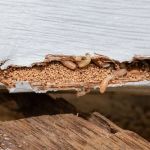 How to Address Pest Infestation in Attic Spaces: A Complete Guide
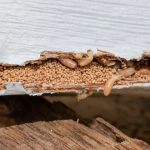 How to Detect Termites Under Slab Foundations: A Comprehensive Guide
 How to Monitor Pest Flows in Perimeter Areas
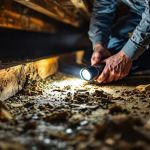 Termite Inspection: Key Areas Most Homeowners Miss During Their Inspection
 How to Prevent Pest Spread via Air Vents
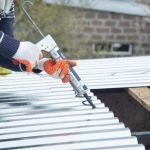 How to Seal Gaps at Roof Eaves to Block Pests