
- understanding-entry-points - Why door thresholds are one of the most common pest entry zones
- gap-sealing-methods - Materials and techniques for sealing door gaps effectively
- weather-stripping-guide - How weather stripping helps block insects and rodents
- real-home-case-study - A homeowner experience dealing with recurring pest entry
- seasonal-pest-pressure - Why pest activity increases around doors during certain seasons
- long-term-prevention-strategies - Maintaining a pest-free entryway over time
Why Door Thresholds Are the Weakest Link in Home Protection
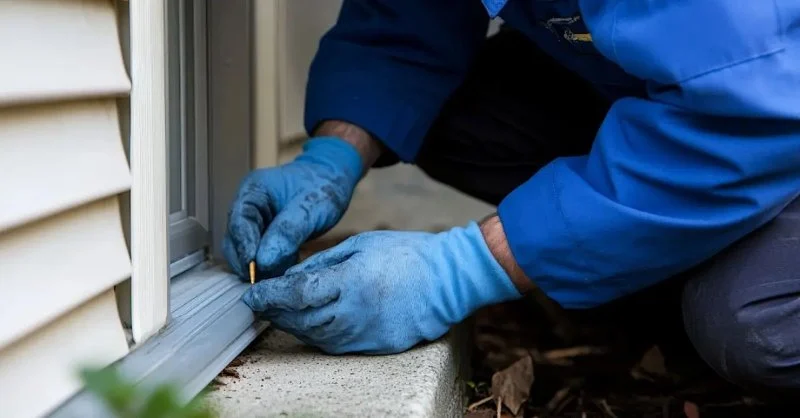
Understanding how to block pest entry at door thresholds starts with recognizing why these small gaps matter so much. Even a few millimeters of space between a door and its frame can become a highway for ants, spiders, cockroaches, and even small rodents.
In many American homes, especially older houses or garages converted into living spaces, door thresholds naturally wear down over time. Rubber seals flatten, wood shifts with humidity, and gaps form without homeowners noticing. These tiny openings often go unchecked until pests begin appearing indoors.
What makes door thresholds especially vulnerable is their location. They connect the inside and outside directly, often exposed to temperature changes, moisture, and constant foot traffic. That combination creates ideal entry conditions for pests searching for shelter or food.

Cayce Exterminating Company, Inc
CayceLexington CountySouth Carolina
2229 Taylor Rd, Cayce, SC 29033, USA
How Pests Exploit Even the Smallest Door Gaps
1. Insects using micro-openings
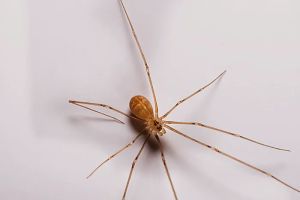
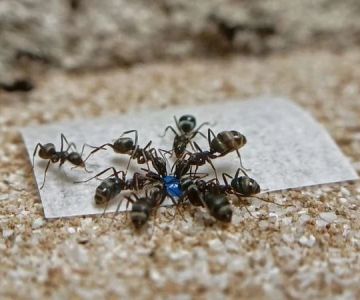
Ants and small insects can squeeze through spaces as thin as a credit card edge. Once they find a food source indoors, they leave chemical trails that attract entire colonies.
A1 Exterminators
DennisBarnstable CountyMassachusetts
434 MA-134 Bldg D Unit 1, South Dennis, MA 02660, USA
2. Rodents testing weak points
Mice and small rats are surprisingly flexible. If they can fit their skull through a gap, their bodies can follow. Door corners and worn thresholds are among their first targets when entering homes.
3. Seasonal migration behavior
During colder months, pests actively seek warmth. In summer, they search for water and shade. Door thresholds become convenient access points year-round due to constant temperature differences.
Best Materials for Blocking Pest Entry at Door Thresholds
1. Heavy-duty weather stripping
Weather stripping is one of the most effective first-line defenses. High-quality rubber or silicone strips compress tightly when the door closes, sealing gaps completely.
The key is selecting the right thickness. Too thin, and pests still enter; too thick, and the door may not close properly.
2. Door sweeps for bottom sealing
A door sweep attaches to the bottom edge of the door, closing the gap between the door and threshold. This is especially effective against crawling insects and small rodents.
3. Threshold seal replacements
If the threshold itself is damaged or warped, replacing it may be necessary. Modern aluminum or composite thresholds provide better sealing surfaces and durability.
Step-by-Step Method for Sealing Door Entry Points
1. Inspect all edges carefully
Start by closing the door and looking for visible light coming through gaps. Even small light leaks indicate potential pest entry points.
2. Clean the threshold area thoroughly
Dirt, dust, and old adhesive can prevent sealing materials from sticking properly. A clean surface ensures long-term effectiveness.
3. Install weather stripping correctly
Apply stripping along the door frame, ensuring consistent pressure when the door closes. Avoid overlapping or uneven placement.
4. Attach a door sweep if needed
Secure the sweep tightly and test door movement several times. The goal is a snug seal without friction that slows closing.
5. Test for airflow and movement
After installation, check for drafts. Air movement often correlates with pest entry potential, especially for small insects.
Real Home Case: A Recurring Ant Problem Solved at the Threshold
A homeowner in Florida once struggled with persistent ant invasions every summer. Despite cleaning surfaces and removing food sources, ants continued appearing near the kitchen entrance.
After inspection, the issue wasn’t inside the kitchen at all—it was a worn door threshold. Tiny gaps allowed ants to enter unnoticed, especially after rainstorms when moisture attracted them indoors.
Once the homeowner installed new weather stripping and a reinforced door sweep, the ant problem disappeared within days. This simple fix demonstrated how often pest issues originate from overlooked structural gaps rather than internal cleanliness.
Seasonal Patterns That Increase Pest Entry Risk
1. Spring and summer activity spikes
Warmer weather increases insect reproduction rates. Doors are opened more frequently, increasing opportunities for pests to enter unnoticed.
2. Fall migration behavior
As temperatures drop, rodents and insects begin searching for warm indoor spaces. Door thresholds become critical entry points during this transition period.
3. Winter shelter seeking
Even in cold climates, pests remain active indoors if they find access. Heated homes provide ideal survival conditions.
Long-Term Strategies for Keeping Doorways Pest-Free
1. Regular inspection cycles
Checking door seals every few months helps identify wear before it becomes a problem. Rubber materials degrade faster in extreme climates.
2. Combining sealing methods
Using both weather stripping and door sweeps creates a double barrier system. This significantly reduces pest intrusion risks compared to single-method solutions.
3. Managing exterior surroundings
Keeping outdoor areas clean and reducing standing water near entrances discourages pests from approaching in the first place.
For homeowners looking for reliable solutions and tools to improve home protection, PestControlHub provides helpful resources and product insights tailored for effective pest prevention strategies.
Common Mistakes Homeowners Make
1. Ignoring small gaps
Even minor openings are enough for insects. Assuming “it’s too small to matter” is one of the most common mistakes.
2. Using temporary fixes
Tape or makeshift barriers may work briefly but fail under weather changes and repeated door use.
3. Forgetting maintenance
Seals degrade over time. Without replacement or adjustment, even good installations lose effectiveness.
Why Proper Door Sealing Changes Overall Home Comfort
Learning how to block pest entry at door thresholds is not just about preventing insects or rodents—it also improves energy efficiency, reduces drafts, and enhances indoor comfort.
Well-sealed doors maintain temperature stability, reduce utility costs, and create a cleaner living environment overall. Many homeowners are surprised that a simple threshold upgrade can impact both comfort and pest control simultaneously.


 Above & Beyond Bed bug removal4.0 (88 reviews)
 Orkin4.0 (213 reviews)
 Zander Pest Control4.0 (50 reviews)
 Greenix Pest Control4.0 (397 reviews)
 Home Paramount Pest Control4.0 (159 reviews)
 Cummings Pest Solutions5.0 (19 reviews)
 How to Address Pest Infestation in Attic Spaces: A Complete Guide
 How to Detect Termites Under Slab Foundations: A Comprehensive Guide
 How to Monitor Pest Flows in Perimeter Areas
 Termite Inspection: Key Areas Most Homeowners Miss During Their Inspection
 How to Prevent Pest Spread via Air Vents
 How to Seal Gaps at Roof Eaves to Block Pests