
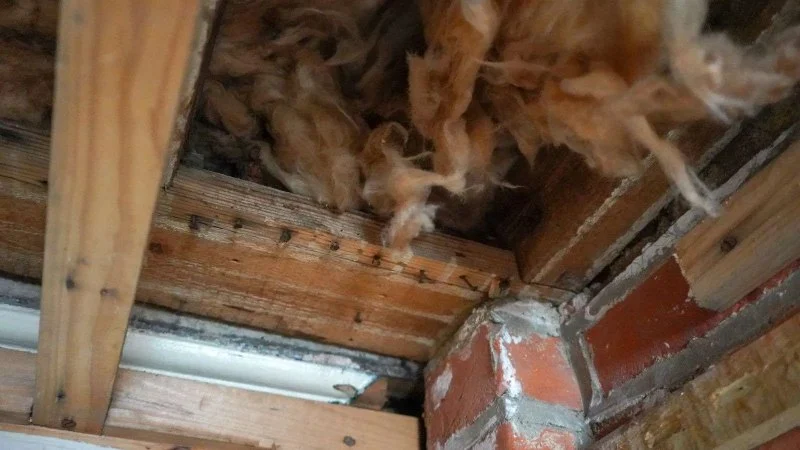
- early-signs-wall-void-infestation - Identifying subtle noises, smells, and wall damage
- types-of-pests-in-walls - Rodents, ants, termites, and hidden invaders
- treatment-methods - Safe and effective removal strategies
- prevention-strategies - Long-term protection for your home
- professional-help - When expert pest control becomes necessary
Understanding Pest Activity Hidden Inside Wall Voids
Pest infestations in wall voids are among the most overlooked yet destructive household problems. Because these spaces are hidden behind drywall, insulation, and structural framing, pests can remain active for weeks or even months before homeowners notice anything unusual. The most common early indicator is subtle sound activity—light scratching, tapping, or rustling—especially at night when the house is quiet.
Another overlooked sign is a faint, musty odor that doesn’t seem to have a clear source. This can come from rodent urine, nesting material, or decaying organic matter left behind by insects. Over time, these hidden infestations can weaken insulation, damage wiring, and even compromise structural integrity.
Homeowners often mistake these symptoms for plumbing or HVAC issues, delaying proper inspection. Understanding that walls are not “sealed environments” but interconnected cavities is the first step toward solving the problem effectively.
Common Types of Pests Found Inside Wall Voids
Rodents and Their Nesting Behavior
Rodents such as mice and rats are the most frequent invaders of wall voids. They enter through small gaps near foundations, vents, or rooflines and establish nesting sites inside warm insulation. One homeowner in suburban Ohio reported hearing scratching sounds for weeks before discovering a full nest behind their kitchen wall, complete with shredded paper and food storage behavior.
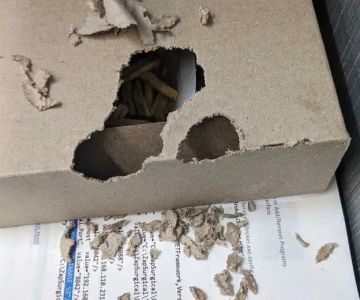
Rodents not only damage insulation but also chew electrical wiring, increasing fire risk. Recognizing rodent in wall signs early is crucial for preventing larger structural and safety issues.
Insects That Thrive in Hidden Cavities
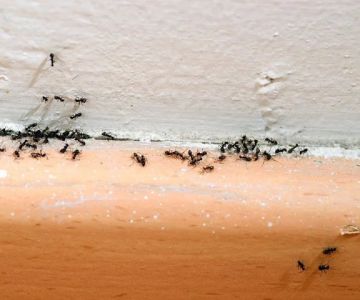
Ants, termites, and cockroaches also thrive in wall void environments. Termites, in particular, are extremely destructive because they silently consume wooden structures from the inside out. Ant colonies may establish satellite nests within walls, while cockroaches use these spaces as breeding shelters.
In humid climates, insect infestation behind walls can escalate quickly due to moisture accumulation and limited ventilation.
Occasional Wildlife Intrusions
In some regions, squirrels, bats, and even birds may enter wall cavities. These cases are less common but often more disruptive due to noise intensity and sanitation concerns. Each type of pest requires a different treatment approach, making accurate identification essential.
Why Wall Void Infestations Are So Difficult to Detect
Wall voids are designed to be invisible structural gaps, which makes them ideal hiding places for pests. Unlike open spaces such as attics or basements, these cavities provide insulation, darkness, and protection from predators.
A major challenge is that symptoms often appear far from the actual infestation site. For example, a homeowner may hear scratching in a bedroom wall while the nest is located in an adjacent kitchen cavity. This misdirection leads to ineffective DIY attempts that fail to address the root problem.
In professional pest control wall infestation cases, technicians often use thermal imaging or acoustic detection tools to pinpoint activity before intervention begins.
Safe Treatment Methods for Removing Pests from Walls
Step 1: Accurate Identification and Inspection
Before any treatment begins, it is essential to confirm the type of pest involved. Misidentifying rodents as insects—or vice versa—can lead to ineffective solutions. A thorough inspection should include checking exterior entry points, interior wall sounds, and potential food sources.
Step 2: Targeted Removal Techniques
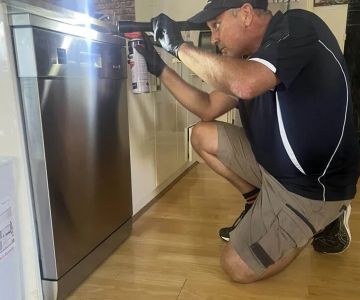
For rodents, bait stations and exclusion traps placed near entry points are often effective. For insects, localized insecticidal dust or baiting systems may be used within wall void access points. However, chemical application should always be controlled to avoid spreading contamination inside the home.
In many residential cases, homeowners find that combining sealing methods with targeted treatment yields the best results.
Step 3: Structural Sealing and Repair
Once pests are removed, sealing entry points is critical. Even a gap as small as a dime can allow rodents to re-enter. Foam sealants, mesh barriers, and caulking are commonly used to reinforce vulnerable areas.
Without proper sealing, reinfestation is highly likely within weeks or months.
Real Case Example: A Hidden Infestation Behind a Living Room Wall
A family in Texas reported intermittent scratching noises for nearly two months. Initially, they assumed the sound came from plumbing pipes. After multiple unsuccessful attempts to locate the issue, they consulted pest control specialists.
Inspection revealed a large rodent colony inside a wall void behind the living room sofa. The infestation had expanded due to an unnoticed exterior gap near a utility line. Insulation had been heavily damaged, and electrical wiring showed chew marks.
After removal and sealing, the family also implemented preventive exterior barriers. This case highlights how easily wall void pests can go undetected and escalate into costly repairs if not addressed early.
When DIY Solutions Are Not Enough
While small infestations can sometimes be managed with traps or bait, wall void infestations often require professional intervention. If pests persist despite treatment, or if structural damage is suspected, expert help becomes necessary.
Professional pest control teams use diagnostic tools that homeowners typically do not have access to, including infrared scanners and moisture mapping systems. These tools allow precise targeting of hidden nests and colonies.
For homeowners looking for reliable solutions and prevention tools, platforms like PestControlHub provide access to expert guidance and service recommendations tailored to specific infestation types.
Preventing Future Infestations in Wall Cavities
Prevention is significantly more cost-effective than treatment. Regular home inspections, especially around seasonal changes, help detect vulnerabilities before pests establish nests.
Key prevention practices include sealing exterior cracks, maintaining clean surroundings, reducing moisture buildup, and trimming vegetation near exterior walls. Homes with proper ventilation and structural maintenance are far less likely to experience repeated infestations.
In addition, monitoring unusual sounds or odors early can prevent small problems from turning into full-scale infestations inside hidden wall structures.


 Orkin4.0 (1278 reviews)
 M&H Pest Control Detroit4.0 (53 reviews)
 ProForce Pest Control - Virginia Beach4.0 (738 reviews)
 Enright Wildlife and Habitat Solutions, LLC5.0 (78 reviews)
 Universal Exterminating Co Inc4.0 (25 reviews)
 Ehrlich Pest Control4.0 (414 reviews)
 How to Seal Entry Points Before Winter: Essential Tips for Home Protection
 How to Stop Mosquitoes Before They Breed in Your Yard
 How to Use Preventative Barriers in Crawlspaces – Expert Home Protection Guide
 How Pest Control Works in Multi-Family Homes
 How to Keep Pests Out of Your Crawl Space: Expert Tips for Prevention
 How to Plan Pest Control in Subdivisions