
- smart-devices-overview - Understanding smart insect alert systems and how they work in modern homes
- device-types-explained - Different insect detection devices and smart sensors used for monitoring pests
- installation-setup - How to properly install and configure smart pest monitoring systems
- real-life-usage - Everyday scenarios and stories of smart insect alert effectiveness
- maintenance-tips - Keeping your smart pest control system accurate and reliable
Smart Homes Are Changing the Way We Detect Insects
Modern households in the United States are increasingly turning to connected technologies to handle problems that used to rely entirely on guesswork. One of the most practical developments in this space is the rise of smart insect alerts, a system designed to detect pest activity early and notify homeowners before the issue grows.
Instead of discovering ants in the kitchen or spiders in the basement weeks after infestation begins, smart sensors now track movement, humidity changes, and vibration patterns that often indicate insect activity. These systems integrate with mobile apps, making pest awareness more immediate and actionable.
A homeowner in Arizona shared a common experience: what started as a few “mystery bites” turned out to be early signs of a termite issue. A smart sensor placed near wooden structures detected abnormal movement patterns and triggered an alert days before visible damage appeared. That early warning significantly reduced repair costs and prevented structural damage.
How Smart Insect Alert Technology Works Behind the Scenes
At the core of smart insect alerts are compact IoT-based sensors that collect environmental data continuously. These devices analyze temperature fluctuations, infrared movement, sound vibrations, and sometimes even chemical signatures in the air.
When combined with machine learning algorithms, the system distinguishes between harmless environmental changes and patterns that suggest insect presence. This is what makes modern insect detection devices more reliable than traditional traps or manual inspections.

Bed Bug Exterminator Indianapolis
IndianapolisMarion CountyIndiana
19 N Pennsylvania St, Indianapolis, IN 46204, USA
1. Motion and Vibration Detection
Many pests such as termites or carpenter ants create subtle structural vibrations. Smart sensors installed in walls or floors can detect these micro-movements and trigger alerts.
2. Environmental Pattern Tracking
Humidity and temperature shifts often attract specific insects. Smart pest monitoring systems track these variables to identify risk zones inside a home.
3. AI-Based Behavior Analysis
Advanced systems compare incoming data with known pest behavior models. Over time, they become more accurate at predicting infestations before visible signs appear.
For homeowners exploring reliable ecosystem setups, platforms like PestControlHub provide access to integrated solutions that combine sensors, monitoring apps, and prevention tools designed for long-term protection.
Types of Smart Devices Used for Insect Alerts
Not all insect alert systems are the same. Depending on the environment and risk level, different devices serve different purposes in smart home pest control.
Embedded Structural Sensors
These are installed inside walls, floors, or wooden beams. They are especially useful for detecting termites or carpenter ants early.
Standalone Smart Traps
These devices combine traditional bait traps with digital tracking systems. Once an insect is captured, the system logs activity and sends notifications to a connected app.
Air Quality and Chemical Sensors
Some insects produce detectable chemical traces. Smart air sensors can identify unusual compounds that indicate infestation risk.
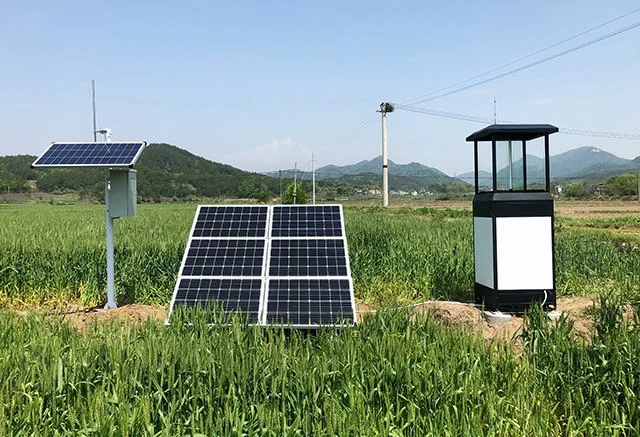
Outdoor Monitoring Stations
Placed around gardens or entry points, these systems help track insect movement before pests enter the home environment.
Setting Up a Smart Insect Alert System in Your Home
Installing insect detection devices is not complicated, but proper placement determines effectiveness. Many users make the mistake of placing sensors randomly, which reduces accuracy.
Step 1: Identify High-Risk Areas
Basements, kitchens, attics, and wooden structures are common hotspots for pest activity. These should be prioritized during installation.
Step 2: Connect Devices to a Central App
Most modern systems rely on mobile applications that consolidate alerts, historical data, and environmental trends.
Step 3: Calibrate Sensitivity Settings
Adjusting sensitivity helps prevent false alarms caused by pets, airflow, or household movement.
Step 4: Perform Weekly System Checks
Even smart systems require occasional validation to ensure sensors are functioning correctly and firmware is up to date.
Real-Life Scenarios Where Smart Alerts Make a Difference
In Florida, a family living near wetlands experienced recurring mosquito problems. After installing smart insect alerts outdoors, they discovered that a specific corner of their yard was consistently triggering early warnings due to stagnant water accumulation. By correcting drainage, they significantly reduced mosquito activity without chemical treatments.
In another case from Texas, a rental property manager used smart pest monitoring across multiple units. The system flagged early termite activity in one building unit, allowing targeted treatment instead of costly full-building fumigation.
These examples highlight how insect detection devices are not just convenience tools but preventive systems that can save significant maintenance costs over time.
Maintenance and Long-Term Performance Optimization
Like any connected system, smart insect alert devices require ongoing care to maintain accuracy. Dust accumulation, battery degradation, and outdated software can all impact performance.
Regular Cleaning and Inspection
Sensors should be cleaned monthly to avoid interference from debris or environmental buildup.
Firmware Updates
Manufacturers frequently release updates that improve detection accuracy and expand pest recognition databases.
Battery and Power Management
Low power levels can reduce sensor sensitivity, so scheduled battery checks are essential.
Many homeowners using smart home pest control systems report that consistent maintenance reduces false alerts and improves long-term reliability significantly.
The Future of Smart Pest Monitoring in Everyday Homes
The evolution of smart insect alerts is closely tied to broader developments in artificial intelligence and home automation. Future systems are expected to integrate with voice assistants, security systems, and even HVAC units to create fully automated pest prevention environments.
Instead of reacting to infestations, homes will proactively adjust lighting, humidity, and airflow to discourage insects from entering in the first place. This shift represents a major transformation in how households think about pest control.
As these technologies become more accessible, smart pest monitoring will likely become a standard feature in modern homes, similar to security cameras or smoke detectors.




 Arrow Exterminators4.0 (142 reviews)
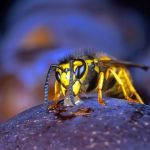 Advanced Exterminating Co3.0 (20 reviews)
 EcoLiving Pest Solutions5.0 (64 reviews)
 Shoreline Services Inc. Pest & Wildlife Control4.0 (31 reviews)
 Jones Pest Control5.0 (2 reviews)
 AAA Termite & Pest Control4.0 (12 reviews)
 How to Deal With Pest Infestations After Flooding
 How to Limit Pest Attraction to Compost or Mulch Piles
 How to Create a Pest-Resistant Garden Naturally and Effectively
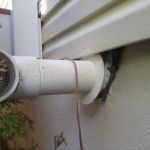 How to Stop Pests From Entering Through Gaps Around Pipes
 How to Control Pests in Crawl Spaces
 How to Interpret Your Home’s Pest Report: A Guide to Understanding Pest Activity