Recognizing Home Pest Risks
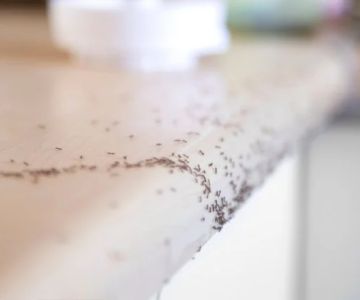
Conducting a pest risk assessment at home begins with understanding which pests are likely to invade your property. Common household pests include ants, rodents, cockroaches, termites, spiders, and occasionally more specialized invaders like silverfish or pantry moths. Each pest has distinct behaviors and preferred environments, which influence the level of risk they pose.
For instance, termites primarily target wooden structures and damp areas, while cockroaches seek warmth and accessible food sources. Rodents are notorious for entering through even the smallest gaps in the foundation. Recognizing these patterns is crucial to effectively identifying and mitigating risk.
One homeowner in Ohio noticed recurring rodent droppings in the garage. A detailed assessment revealed gaps around utility lines and an unsealed basement door. By identifying these risk points, the homeowner could prioritize sealing entry points before a full infestation occurred.
Kirchner's Pest Control
MountvilleLancaster CountyPennsylvania
3830 Columbia Ave, Mountville, PA 17554, USA
Preparing for a Thorough Home Pest Inspection
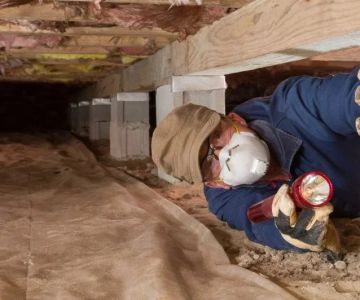
Preparation is key to a successful pest risk assessment. Before starting, gather essential tools such as a flashlight, notepad, gloves, and a camera for documentation. It is also wise to wear protective clothing, especially when inspecting attics, basements, or areas prone to mold and dust.
Creating a checklist ensures no area is overlooked. Divide your inspection into indoor and outdoor zones, including storage rooms, attics, crawl spaces, kitchens, bathrooms, yards, foundations, and rooflines. This structured approach ensures a comprehensive evaluation.
Additionally, schedule your inspection during times when pests are most active, if possible. Many nocturnal pests, like rodents and cockroaches, are easier to detect at night when they search for food.
Inspecting Indoor Areas for Pest Risks
Indoor pest assessment involves systematically examining every room. Kitchens require particular attention since food sources attract many pests. Look behind appliances, under sinks, and inside cabinets for droppings, nesting materials, or unusual odors.
Bathrooms and laundry rooms are often damp, making them ideal environments for mold-loving pests such as silverfish or cockroaches. Inspect drains, corners, and areas under sinks for moisture accumulation. Even small leaks can create hotspots for pest activity.
Basements, attics, and storage spaces should be inspected for structural vulnerabilities and signs of pests. For example, gaps around vents, wires, and plumbing penetrations can allow rodents and insects to enter. Document all potential risk areas and consider how seasonal changes may influence pest activity.
Assessing Outdoor Areas and Property Access Points
An effective pest risk assessment extends to the exterior of your property. Examine your yard, garden, and foundation for signs of pests. Woodpiles, compost bins, and dense shrubs can attract rodents and insects. Standing water in birdbaths, plant saucers, or gutters encourages mosquito breeding.
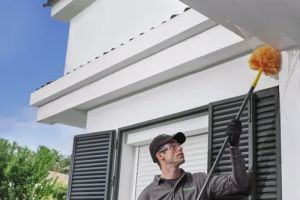
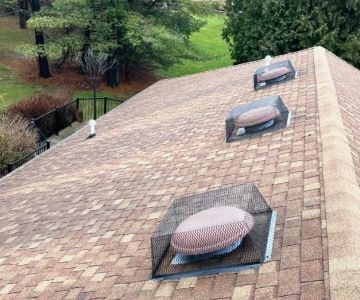
Check rooflines and siding for damage, gaps, or cracks that could serve as entry points. Utility connections such as water pipes, gas lines, and electrical conduits may also provide easy access for pests if not properly sealed. Assess fencing, gates, and pet enclosures to prevent wildlife intrusion.
Outdoor inspection also includes reviewing landscaping choices. Overgrown plants against the house can hide pests, while mulch piled near the foundation may harbor termites. Proper spacing, trimming, and maintenance reduce these risks significantly.
Documenting Findings and Prioritizing Risks
Recording your observations is essential for tracking pest risk and planning mitigation. Note the type of pest, its location, the extent of activity, and any contributing factors like moisture, food access, or structural weaknesses.
Prioritize risks based on severity and likelihood of infestation. For example, a small crack in the foundation might represent an urgent rodent risk, while isolated spider sightings in an attic may be a lower priority. This prioritization ensures resources are focused on the most critical issues first.
Using photos alongside written notes improves clarity. You can also map risk points to see patterns and plan effective interventions systematically.
Implementing Preventive Measures and Pest-Proofing Strategies
Once risks are documented, implement preventive measures to reduce the likelihood of infestation. Seal gaps, cracks, and entry points. Ensure screens on windows and doors are intact and repair damaged weatherstripping. Regularly clean food preparation areas, manage waste, and reduce moisture accumulation.
For structural vulnerabilities or severe infestations, professional services may be necessary. A controlled treatment plan can complement your preventive actions and ensure long-term pest management.
Routine maintenance is essential. Regular inspections, seasonal cleaning, and monitoring traps or baits help maintain a pest-free home and catch potential issues early before they escalate.
Learning from Real Home Pest Assessment Cases
In one suburban home, a detailed pest risk assessment uncovered multiple small rodent entry points around the foundation and basement windows. By addressing these openings and managing vegetation near the house, the homeowner effectively prevented a serious infestation that had plagued the neighborhood.
Another case involved a family in Florida dealing with recurring termite activity. A combination of soil treatment, wood barrier installation, and regular inspections allowed the family to protect their property without extensive structural damage. This case highlights the value of proactive, well-documented assessments.
These examples emphasize that a careful, methodical pest risk assessment not only protects your home but also saves time, money, and stress in the long term. For guidance on tools, inspection tips, and pest prevention products, PestControlHub provides resources for homeowners seeking expert support.

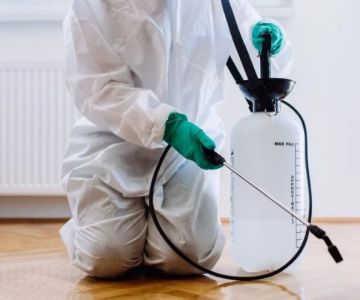
 LEE's Pest Services, LLC4.0 (62 reviews)
 Cooper Pest Solutions3.0 (8 reviews)
 Mosquito Authority of West Richmond5.0 (381 reviews)
 Orkin4.0 (1716 reviews)
 Green Thumb Lawn Services4.0 (132 reviews)
 Orkin4.0 (372 reviews)
 How Pest Control Works in Multi-Family Homes
 How to Seal Gaps Around Exterior Outlets and Prevent Pest Entry
 How to Safely Use Fumigation Methods for Pest Control
 How to Seal Cracks Around Roofline for Better Home Protection
 How to Keep Crawlspaces Ventilated & Pest-Resistant: A Complete Guide
 The Hidden Dangers of Rodent Infestations in Your Attic