
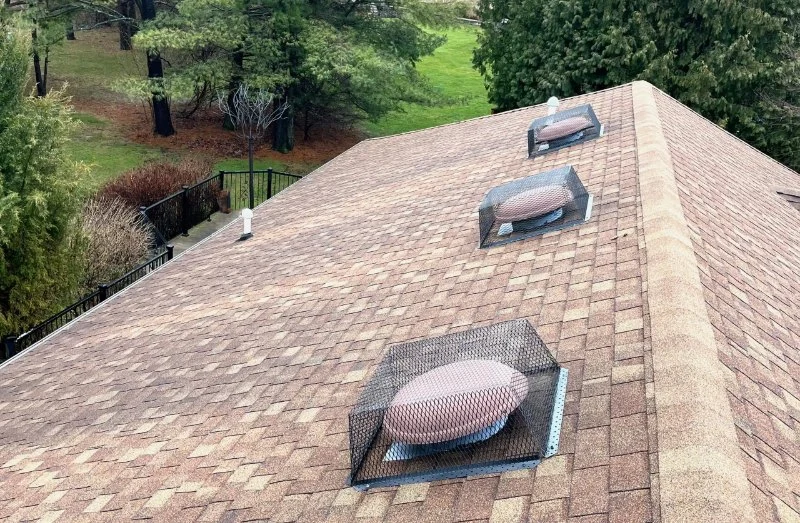
- Understanding Why Roof Vents Attract Pests
- Common Pests That Enter Through Roof Vents
- Early Warning Signs of Roof Vent Pest Problems
- Prevention Strategies That Actually Work
- Roof Vent Screening and Physical Barriers
- Protecting Your Attic After an Intrusion
- Real Homeowner Case Study
- Seasonal Pest Risk and Behavior
- Common Mistakes Homeowners Make
- Long-Term Pest Control Strategy
Understanding Why Roof Vents Attract Pests
Roof vents are essential for regulating temperature and moisture inside a home, especially in attics. However, these same ventilation points can unintentionally become entryways for pests. Warm air, shelter, and darkness make attic spaces highly attractive to rodents, insects, and even small wildlife.
Understanding how pest intrusions through roof vents occur is the first step toward preventing long-term structural damage. Many homeowners are surprised to learn that pests rarely need large openings. Even a small gap in vent screening or damaged mesh can become a gateway into the home.
Ozane Termite & Pest Control
Toms RiverOcean CountyNew Jersey
1761 Lakewood Rd, Toms River, NJ 08755, USA
1. Why Roof Vents Are Vulnerable
Roof vents are typically exposed to outdoor conditions year-round. Over time, weather exposure can weaken protective screens, loosen seals, or create small structural gaps.
Common vulnerability factors include:
- Rusting or corroded vent mesh
- Improper installation of vent covers
- Cracked roofing materials around vents
- Accumulated debris blocking airflow
2. What Makes Attics Attractive
Attics offer warmth during colder months and cooler shelter during hot weather. They are also quiet and rarely disturbed, making them ideal nesting locations for pests seeking safety.

Western Pest Services Ocean County Branch
Toms RiverOcean CountyNew Jersey
117 NJ-37 #2, Toms River, NJ 08755, USA
Common Pests That Enter Through Roof Vents
Different pests use roof vents as entry points depending on season and environment. Understanding the most common intruders helps homeowners identify risks early.
1. Rodents
Rats and mice are among the most frequent attic invaders. They can squeeze through extremely small gaps and quickly establish nesting areas within insulation.
2. Birds
Birds sometimes enter damaged vents looking for sheltered nesting sites. Once inside, they can block airflow and create hygiene issues.
3. Insects
Wasps, ants, and beetles often exploit small cracks or damaged mesh. Wasps in particular may build nests near warm attic spaces.
4. Bats
In some regions, bats may enter attic vents during seasonal migration or roosting periods. Their presence requires careful, humane handling.
Early Warning Signs of Roof Vent Pest Problems
Detecting pest intrusion early can significantly reduce repair costs and structural damage.
1. Unusual Noises in the Attic
Scratching, scurrying, or fluttering sounds are often the first indicators of unwanted guests.
2. Droppings or Debris
Small droppings, nesting materials, or shredded insulation suggest active pest activity.
3. Damaged Vent Screens
Visibly torn or pushed-in vent screens often indicate an entry point has already been compromised.
4. Strange Odors
Persistent odors in upper floors of the home may signal nesting pests in attic spaces.
Prevention Strategies That Actually Work
Preventing pest intrusions through roof vents requires a combination of structural reinforcement and routine maintenance.
1. Regular Roof Inspections
Inspect vents and roof edges at least twice a year. Look for damage, loose materials, or signs of nesting activity.
2. Sealing Small Gaps
Use weather-resistant materials to seal gaps around vent edges and roof joints. Even minor openings can become entry points.
3. Keeping Surrounding Areas Clean
Overhanging branches or accumulated debris near rooflines can provide easy access for pests.
Roof Vent Screening and Physical Barriers
One of the most effective long-term solutions is installing durable vent screens.
1. Metal Mesh Screens
Heavy-duty metal mesh prevents rodents and larger insects from entering while still allowing proper airflow.
2. Reinforced Vent Covers
Upgraded vent covers add an additional layer of protection against environmental wear and pest intrusion.
3. Professional Installation
Improper installation can leave hidden gaps. Professional fitting ensures full coverage and durability.
Protecting Your Attic After an Intrusion
If pests have already entered, immediate action is necessary to prevent long-term damage.
1. Safe Removal
Pest removal should be handled carefully, especially when dealing with rodents or bats. Improper handling can worsen contamination.
2. Cleaning and Sanitization
Attic insulation and surfaces may require deep cleaning to remove droppings and nesting debris.
3. Repairing Damage
Replace damaged insulation and repair any structural gaps that allowed entry.
4. Consulting Professionals
For severe infestations, professional services can ensure complete elimination and prevention of recurrence. Platforms like PestControlHub can help homeowners explore reliable solutions and guidance.
Real Homeowner Case Study
A homeowner in Georgia noticed scratching sounds above their bedroom at night. Initially dismissing it as wind noise, they later discovered a rodent infestation originating from a damaged roof vent.
1. The Root Cause
The vent’s mesh screen had rusted over time, creating a small opening that mice exploited.
2. The Impact
Within weeks, insulation was damaged, and electrical wiring in the attic showed signs of gnawing.
3. The Solution
The homeowner replaced all vent covers with reinforced metal mesh systems, sealed roof gaps, and implemented routine inspections every six months.
The issue did not return after these changes were made.
Seasonal Pest Risk and Behavior
Pest activity through roof vents often changes with the seasons.
1. Spring and Summer
Insects such as wasps and ants are more active during warmer months and may seek attic shelter.
2. Fall and Winter
Rodents are more likely to enter homes during colder months in search of warmth and food sources.
3. Migration Patterns
Birds and bats may temporarily use roof vents during migration periods, increasing seasonal intrusion risks.
Common Mistakes Homeowners Make
1. Ignoring Small Damage
Even minor vent damage can lead to major infestations if left unaddressed.
2. Using Temporary Fixes
Quick patch jobs often fail under weather conditions and do not provide long-term protection.
3. Overlooking Routine Maintenance
Regular inspections are often skipped until visible damage or noise appears.
Long-Term Pest Control Strategy
Successfully managing pest intrusions through roof vents requires a proactive mindset. Prevention is always more cost-effective than removal and repair.
A strong strategy includes reinforced vent screening, seasonal inspections, attic monitoring, and prompt repair of structural vulnerabilities. Combining these steps significantly reduces the risk of repeated infestations.
Homeowners who prioritize prevention often experience fewer disruptions, lower repair costs, and a healthier living environment overall.
For additional guidance, prevention tools, and professional recommendations, PestControlHub offers resources designed to help homeowners protect their properties effectively.




 Terminix4.0 (327 reviews)
 Dayton's Hometown Pest Control LLC.5.0 (63 reviews)
 Pest & Termite Consultants4.0 (452 reviews)
 Western Pest Services4.0 (2 reviews)
 Hunter Pest Services4.0 (21 reviews)
 Torco Termite & Pest Control4.0 (5 reviews)
 How to Predict Which Pests Will Invade Next – Smart Pest Forecasting for the U.S.
 How to Keep Pests Out of Roof Overhangs
 How to Choose the Best Local Pest Control Company in Your City
 How to Seal Gaps Around Exterior Outlets and Prevent Pest Entry
 How to Prevent Pantry Insects (Weevils, Moths, Beetles)
 How to Test Soil Around the Home for Pest Activity