
- #hidden-access-points - Understanding Invisible Entry Points in Homes
- #common-entry-zones - Where Pests Commonly Enter Without Being Noticed
- #structural-vulnerabilities - Home Weak Spots That Attract Infestations
- #seasonal-invasion - How Weather Changes Influence Pest Behavior
- #real-cases-stories - Real Home Infestation Cases and Lessons Learned
- #prevention-strategies - Practical Ways to Seal and Protect Your Home
- #modern-pest-control - Technology and Modern Solutions in Pest Prevention
- #homeowner-guidance - Long-Term Protection and Maintenance Habits
Understanding Invisible Entry Points in Homes
Most homeowners assume pests invade through obvious openings—open doors, broken windows, or visible cracks. However, the reality behind Invisible Entry Points: How Pests Sneak Into Your House is far more subtle and surprisingly sophisticated. Insects, rodents, and other unwanted intruders often rely on tiny structural gaps that are easy to overlook during everyday life.
These entry points can be as small as a gap under a door, a crack behind a baseboard, or even a poorly sealed utility pipe. Over time, pests learn to exploit these weaknesses, turning your home into an unintended shelter. What makes this issue particularly challenging is that many of these access points are hidden behind furniture, appliances, or walls—making them nearly impossible to detect without careful inspection.
Why pests prefer hidden access routes
Pests are naturally driven by survival instincts. They seek warmth, food, and safety. Instead of exposing themselves in open spaces, they prefer concealed pathways where they can move undetected. This behavior explains why infestations often appear “suddenly” to homeowners, even though pests may have been entering gradually for weeks or months.
Where Pests Commonly Enter Without Being Noticed
Understanding entry zones is the first step in controlling infestations. Many homes in the United States, especially older constructions, contain small structural vulnerabilities that pests exploit regularly.
1. Door gaps and threshold weaknesses
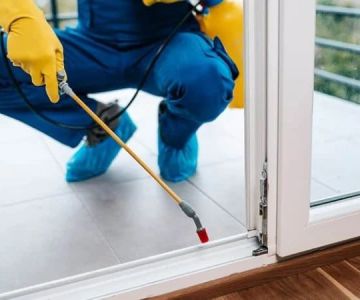
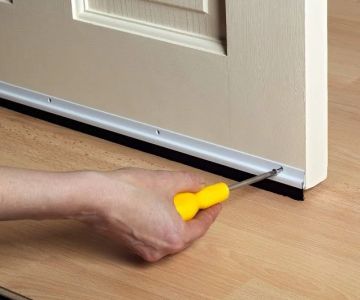
Even a perfectly closed door can leave a narrow gap underneath. This space is large enough for ants, cockroaches, and even small rodents to pass through. Over time, weather exposure can warp door frames, making the problem worse.
2. Window frames and screen damage
Tiny tears in window screens or poorly sealed frames provide easy access points. In warmer months, insects such as flies, mosquitoes, and stink bugs frequently exploit these openings to enter homes seeking cooler environments.
3. Utility line penetrations
Pipes, cables, and vents that enter the home often leave small gaps around their edges. These are some of the most overlooked entry points. Rodents, in particular, are known for squeezing through surprisingly tight spaces around plumbing lines.
4. Foundation cracks and basement openings
Basements are especially vulnerable. Even hairline cracks in the foundation can serve as entry highways for ants and termites. Moisture buildup in these areas further attracts pests seeking damp environments.
Home Weak Spots That Attract Infestations
Every home has structural weaknesses, but not all are equally visible. The challenge lies in identifying areas where pests are most likely to exploit unnoticed openings.
Hidden gaps behind appliances
Areas behind refrigerators, ovens, and washing machines are rarely cleaned or inspected. These spaces often accumulate food particles, heat, and moisture—creating an ideal environment for pests to thrive unnoticed.
Roof and attic vulnerabilities
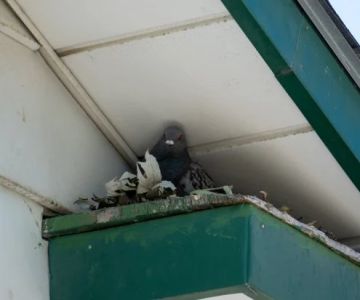
Loose shingles, damaged vents, or poorly sealed attic openings can allow rodents, birds, and insects to enter from above. Once inside, attics provide warmth and insulation, making them ideal nesting areas.
Wall voids and insulation gaps
Inside walls, pests can travel freely through voids without being detected. This is one of the most alarming aspects of hidden infestations because activity may continue for long periods before signs become visible.
How Weather Changes Influence Pest Behavior
Seasonal shifts significantly impact pest movement patterns. Understanding these cycles is essential when studying Invisible Entry Points: How Pests Sneak Into Your House.
Cold weather invasion behavior
During colder months, rodents such as mice and rats seek warmth indoors. They often enter through tiny cracks around foundations or doors. A common scenario reported by homeowners is hearing scratching sounds in walls during winter evenings.
Summer activity and insect expansion
Warm weather increases insect reproduction rates. Ants, cockroaches, and flies become more active and aggressively search for food sources. Open windows and unsealed screens become primary entry routes.
Rainy season moisture attraction
Moisture is a major attractant for pests like termites and silverfish. Water-damaged wood and damp basements create ideal breeding grounds, often leading to long-term structural issues if not addressed early.
Real Home Infestation Cases and Lessons Learned
A homeowner in Florida once shared a case where a persistent ant infestation was traced back to a barely visible crack near an exterior AC unit. Despite repeated cleaning, the ants kept returning. After inspection, it was discovered that the colony had established a hidden entry path through the wall insulation, entering directly into the kitchen behind cabinets.
In another case from Illinois, a family experienced nocturnal scratching noises in their attic for weeks. Initially dismissed as weather-related sounds, the issue escalated until visible damage appeared in stored boxes. A pest control inspection revealed that squirrels had entered through a loose roof vent and built a nesting area inside insulation layers.
These cases highlight a crucial lesson: pests rarely enter through obvious openings. Instead, they exploit overlooked structural weaknesses that homeowners do not regularly inspect.
Practical Ways to Seal and Protect Your Home
Preventing infestations requires a proactive approach. Addressing invisible entry points early can significantly reduce the risk of long-term pest problems.
Sealing structural gaps effectively
Use durable materials such as steel wool, caulk, and weather-resistant sealants to close openings around doors, windows, and utility lines. These materials are particularly effective against rodents and insects that attempt to chew or squeeze through barriers.
Regular home inspection routines
Conduct monthly inspections of high-risk areas such as basements, attics, and kitchens. Pay attention to signs like droppings, grease marks, or small holes in packaging materials.
Moisture control and ventilation improvement
Reducing humidity levels inside the home is one of the most effective long-term prevention strategies. Dehumidifiers, proper ventilation, and quick repair of water leaks can significantly reduce pest attraction.
Professional evaluation and long-term protection
For persistent issues or high-risk properties, consulting professionals can make a significant difference. Services and expert guidance from PestControlHub help homeowners identify hidden vulnerabilities and implement targeted solutions tailored to their environment.
Technology and Modern Solutions in Pest Prevention
Modern pest control has evolved far beyond traditional traps and sprays. Today’s solutions include smart monitoring systems, ultrasonic deterrents, and eco-friendly treatments that focus on prevention rather than reaction.
Smart monitoring systems
Sensors placed in vulnerable areas can detect movement, temperature changes, or pest activity in real time. This allows homeowners to respond before infestations spread.
Eco-friendly treatment approaches
Many modern pest control methods now prioritize environmentally safe solutions. These include botanical-based repellents and targeted treatments that minimize chemical exposure inside homes.
Data-driven prevention strategies
Advanced pest control companies now use data patterns to predict infestation risks based on geography, weather, and building structure. This predictive approach helps homeowners stay ahead of seasonal pest behavior.
Long-Term Protection and Maintenance Habits
Maintaining a pest-free home is not a one-time task but an ongoing process. Small habits can make a significant difference over time.
Consistency in cleanliness and storage
Keeping food properly sealed and maintaining clean kitchen surfaces reduces attractants significantly. Even minor crumbs can sustain insect populations.
Exterior maintenance awareness
Trimming vegetation near walls, maintaining gutters, and inspecting roofing structures help reduce external access points for pests.
Awareness of subtle warning signs
Early detection is critical. Strange odors, small droppings, or unusual noises should never be ignored. These are often the earliest indicators of hidden pest activity.
By understanding the concept of Invisible Entry Points: How Pests Sneak Into Your House, homeowners can shift from reactive pest control to proactive prevention. This mindset not only protects property but also ensures long-term comfort and safety within the home environment.



 Affordable Pest Control Service5.0 (329 reviews)
 Clever Solutions LLC4.0 (12 reviews)
 Cook's Pest Control4.0 (366 reviews)
 Extreme Pest & Termite4.0 (19 reviews)
 ClearDefense Pest Control5.0 (5724 reviews)
 Mitchell Pest Services4.0 (1301 reviews)
 How to Block Rodent Access Around Foundations
 How to Use Solar Pest Control Devices
 How to Clean After Pest Infestations to Prevent Return
 How to Monitor Pest Trends Post Treatment: Tips for Ongoing Control
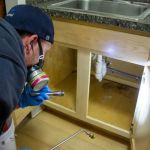 How to Keep Cockroaches Out of Your Kitchen | PestControlHub
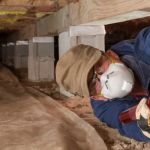 How to Use Preventative Barriers Early