- bird-pest-basics - Understanding why birds become a pest problem in residential and commercial spaces
- common-bird-infestation-areas - Identifying roofs, balconies, vents, and ledges as high-risk zones
- health-and-property-risks - How bird droppings and nesting damage buildings and affect health
- prevention-techniques - Physical, visual, and environmental deterrent strategies
- cleaning-and-sanitation - Safe removal of droppings and contaminated nesting materials
- long-term-bird-control - Structural modifications and maintenance strategies
- real-life-case-study - A commercial building experience with recurring pigeon infestations
- mistakes-to-avoid - Common errors that worsen bird pest problems
- professional-pest-solutions - When and why to involve expert services
- urban-prevention-strategy - Managing bird activity in dense city environments
1. Understanding Bird-Related Pest Issues and Why They Happen
Learning how to prevent bird-related pest issues starts with understanding why birds become a recurring nuisance in residential and commercial properties. In urban environments, buildings often provide ideal nesting and resting spots for pigeons, sparrows, and seagulls.
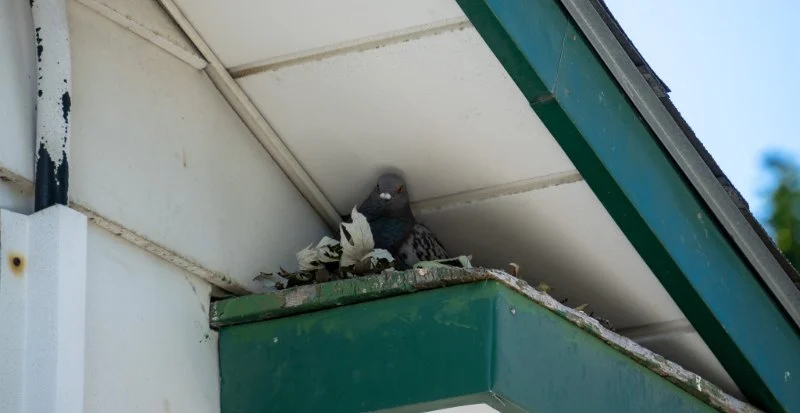
Flat surfaces, sheltered corners, and food availability make rooftops and balconies especially attractive. Once birds establish a nesting site, they tend to return repeatedly, turning a small issue into a long-term infestation.
Dom's Pest Control
GreensburgWestmoreland CountyPennsylvania
234 Brandywine Ln, Greensburg, PA 15601, USA
Why Birds Choose Buildings
- Safe elevated nesting areas away from predators
- Easy access to food scraps in urban environments
- Sheltered ledges and HVAC structures for protection
Understanding these behaviors is essential for building an effective prevention strategy.
Ray's Pest Control and Wildlife Removal
GreensboroGuilford CountyNorth Carolina
4925 W Market St #1135, Greensboro, NC 27407, USA
2. High-Risk Areas Where Bird Infestations Begin
Bird pest issues rarely start randomly. They usually appear in predictable areas of a building that offer shelter and stability.
Common Hotspots
- Roof edges and gutters
- Air conditioning units and vents
- Balcony railings and window ledges
- Warehouse beams and signage structures
Once birds identify a safe perch, they quickly begin nesting. Early detection is crucial for preventing larger infestations.
3. Health and Structural Risks of Bird Infestations
Bird-related pest issues are more than just a nuisance—they can create serious health and structural problems over time.
Health Concerns
Bird droppings may contain bacteria and fungi that can become airborne when dried, posing respiratory risks to humans. In enclosed or poorly ventilated spaces, this becomes even more concerning.
Property Damage
Acidic bird droppings can corrode roofing materials, paint, and metal surfaces. Over time, this leads to costly repairs if not addressed early.
Many property managers rely on platforms like PestControlHub for professional guidance on minimizing these risks effectively.
4. Practical Methods to Prevent Bird Infestations
Effective prevention requires a combination of physical barriers, visual deterrents, and environmental adjustments.
Physical Deterrents
- Bird spikes installed on ledges and rooftops
- Netting to block access to open spaces
- Sloped surfaces that prevent landing
Visual and Audio Deterrents
Reflective objects, predator decoys, and ultrasonic devices can discourage birds from settling in an area.
However, effectiveness varies depending on bird species and environment, so combining methods is often necessary.
5. Safe Cleaning and Sanitation After Bird Activity
Once birds have already nested, proper cleaning becomes essential before prevention measures can work effectively.
Safe Cleanup Steps
- Wear protective gloves and masks before handling droppings
- Moisten contaminated areas to reduce airborne particles
- Remove nesting materials carefully to avoid spreading bacteria
- Disinfect surfaces thoroughly after removal
Improper cleaning can actually worsen contamination, which is why careful procedures are important.
6. Long-Term Strategies for Bird Control
Short-term deterrents may provide relief, but long-term control requires structural and behavioral adjustments.
Effective Long-Term Solutions
- Sealing entry points in roofs and walls
- Regular building inspections to detect early nesting
- Consistent removal of food sources near buildings
Preventing recurrence is just as important as removing existing bird activity.
7. Real Case Example: A Commercial Building in the City
A mid-sized office building in a dense urban area struggled with recurring pigeon infestations on its rooftop HVAC system. Despite repeated cleaning, birds kept returning.
The issue was eventually resolved by installing anti-roosting spikes, sealing gaps in the HVAC structure, and implementing regular maintenance checks. Within weeks, bird activity dropped significantly and remained under control long-term.
This case highlights how combining multiple strategies is often more effective than relying on a single deterrent method.
8. Common Mistakes That Make Bird Problems Worse
Many property owners unintentionally worsen bird pest issues by using ineffective or temporary solutions.
Frequent Errors
- Ignoring early signs of nesting activity
- Using only one deterrent method
- Failing to clean droppings thoroughly
- Leaving food waste accessible near buildings
A comprehensive approach is necessary to achieve lasting results.
9. When to Call Professional Pest Control Services
In severe or recurring cases, professional intervention becomes the most reliable option. Experts can assess structural vulnerabilities and apply targeted solutions that are more durable than DIY methods.
Services listed on PestControlHub often include inspection, installation of deterrents, and long-term maintenance plans tailored to specific property types.
10. Managing Bird Activity in Urban Environments
Urban areas present unique challenges due to dense building structures and limited natural habitats. Coordinated efforts between property owners, tenants, and pest control specialists are often required.
Consistent maintenance, environmental awareness, and preventive infrastructure design all contribute to reducing bird-related pest issues in the long run.
Understanding how to prevent bird-related pest issues is not just about removing birds—it is about creating environments where they are less likely to return. With the right combination of prevention techniques and expert support from PestControlHub, buildings can remain clean, safe, and protected year-round.


 King GREEN of Charlotte, Inc.4.0 (769 reviews)
 Greener Pest Management5.0 (104 reviews)
 EcoShield Pest Solutions4.0 (875 reviews)
 Green Earth Pest Control, Inc.4.0 (149 reviews)
 Nature's Defense Organic Tick and Mosquito Control5.0 (31 reviews)
 DC Mosquito Defense5.0 (7 reviews)
 How to Make Your Home Less Attractive to Pests – Simple Tips to Protect Your Home
 How to Use Bait Stations Safely Around Children
 How to Block Rodent Access Around Foundations
 How to Prepare Guests’ Homes for Pest Prevention: Expert Tips and Strategies
 Seasonal Pest Prevention Checklist for Spring
 How to Use Smart Devices for Insect Alerts