- #1-understanding-why-pest-control-fails - The hidden reasons behind recurring infestations
- #2-misidentifying-the-pest-problem - Why correct identification matters
- #3-incomplete-treatment-coverage - How missed areas lead to pest survival
- #4-ignoring-the-source-of-infestations - Treating symptoms instead of causes
- #5-resistance-and-adaptation-in-pests - How pests evolve against treatments
- #6-common-homeowner-mistakes - Everyday habits that reduce effectiveness
- #7-real-world-pest-control-failure-stories - Lessons from actual cases
- #8-the-role-of-prevention-and-maintenance - Building long-term protection
- #9-choosing-the-right-pest-control-strategy - Matching solutions to problems
- #10-pestcontrolhub-expert-recommendations - Making smarter pest management decisions
#1 Understanding Why Pest Control Fails
Few things are more frustrating for homeowners than paying for pest control services only to see the same pests return weeks later. Whether it is ants reappearing in the kitchen, rodents returning to the attic, or cockroaches showing up after treatment, recurring infestations often leave people wondering what went wrong.
The truth is that pest control failures rarely occur because a treatment product simply "doesn't work." In most cases, failure results from a combination of factors including improper identification, incomplete treatment, environmental conditions, poor sanitation, structural issues, or unrealistic expectations.
Modern pest management is far more complex than spraying chemicals and expecting immediate results. Effective pest control requires understanding pest behavior, breeding patterns, food sources, hiding places, and seasonal activity.
A homeowner in Florida once shared an experience where three separate ant treatments seemed ineffective. After a professional inspection, the actual problem was discovered: a hidden moisture leak behind a kitchen wall that continuously attracted ants. The treatments addressed visible ants, but the root cause remained untouched.
This example highlights a critical lesson: successful pest control focuses on solving the entire problem, not merely eliminating visible pests.
Mosquito Squad of Myrtle Beach
Myrtle BeachHorry CountySouth Carolina
3116 Shetland Ln Unit 11, Myrtle Beach, SC 29577, USA
#2 Misidentifying the Pest Problem
One of the most common reasons pest control treatments fail is incorrect pest identification. Different pests require different treatment methods, and even closely related species can respond differently to the same products.

Mosquito Squad of Worcester
AuburnWorcester CountyMassachusetts
496 Washington St, Auburn, MA 01501, USA
1. Ant Species Differences
Many homeowners assume all ants behave similarly. In reality, carpenter ants, pavement ants, odorous house ants, and fire ants each require different management approaches.
Using the wrong bait or treatment method can actually worsen an infestation. Certain ant species split colonies when disturbed, causing populations to spread instead of decline.
2. Rodent Misidentification
House mice and roof rats often leave similar signs, yet their nesting habits and movement patterns differ significantly. A treatment plan designed for mice may fail if rats are the true culprits.
3. Termite Confusion
Homeowners sometimes mistake carpenter ant damage for termite activity. Since treatment methods differ substantially, misdiagnosis can result in wasted time and money.
Professional inspections often reveal hidden details that are difficult for property owners to identify on their own. Accurate identification serves as the foundation for every successful pest management program.
#3 Incomplete Treatment Coverage
Another major reason pest control treatments fail is incomplete coverage. Many pests spend the majority of their lives hidden inside walls, crawl spaces, attics, basements, landscaping, or structural voids.
1. Visible Pests Represent Only a Fraction
What homeowners see is often only a small percentage of the total population. Cockroaches, for example, typically remain hidden during daylight hours. Treating only visible areas leaves breeding populations untouched.
2. Hidden Nesting Sites
Rodents often nest behind insulation, inside wall cavities, or beneath flooring. If these nesting areas are overlooked, infestations can quickly return.
3. Exterior Sources
Many pest problems originate outdoors. Ant colonies, mosquito breeding sites, and rodent harborage areas may exist far beyond the immediate structure.
Effective pest control requires a comprehensive approach that considers both indoor and outdoor environments rather than focusing solely on areas where pests are seen.
#4 Ignoring the Source of Infestations
Treating pests without addressing why they arrived is one of the most expensive mistakes homeowners make.
Pests enter properties for three primary reasons:
1. Food availability.
2. Water sources.
3. Shelter opportunities.
Food Sources
Even small crumbs, pet food, improperly stored pantry items, or outdoor garbage containers can attract pests. Treatments may temporarily reduce populations, but food access encourages reinfestation.
Moisture Problems
Leaking pipes, clogged gutters, poor drainage, and standing water create ideal environments for insects and rodents.
Structural Vulnerabilities
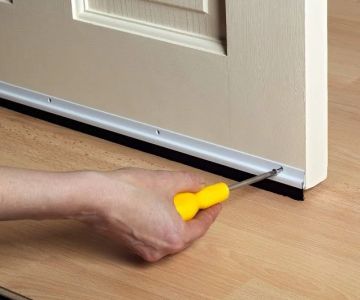
Small cracks, damaged weather stripping, roof gaps, and foundation openings provide easy access points.
A property owner in Texas repeatedly battled cockroach infestations despite multiple treatments. After a thorough inspection, technicians discovered gaps around plumbing penetrations beneath kitchen cabinets. Once the entry points were sealed, infestation levels dropped dramatically.
The lesson was clear: exclusion and prevention often matter as much as treatment itself.
#5 Resistance and Adaptation in Pests
Pests are remarkably adaptable creatures. Over time, some populations develop resistance to commonly used pesticides, making traditional treatments less effective.
1. Repeated Product Use
Using the same treatment repeatedly may encourage resistance development. This is particularly common among cockroaches, bed bugs, and certain agricultural pests.
2. Behavioral Adaptation
Some pests learn to avoid treated areas or bait stations if previous exposure created negative experiences.
3. Environmental Changes
Urban development, climate shifts, and changing food availability can alter pest behavior and migration patterns.
Professional pest management programs often rotate treatment methods and integrate multiple strategies to reduce resistance risks.
#6 Common Homeowner Mistakes
Even when professional treatments are applied correctly, homeowner actions can unintentionally reduce effectiveness.
1. Cleaning Too Soon
Many people immediately wash treated surfaces, removing products before they have time to work.
2. Skipping Follow-Up Visits
Certain infestations require multiple treatments due to breeding cycles. Missing scheduled follow-ups often results in incomplete control.
3. Overusing DIY Products
Applying excessive over-the-counter treatments can interfere with professional products and make pest behavior less predictable.
4. Ignoring Recommendations
Professionals frequently provide preparation and maintenance instructions. Failure to follow these guidelines can reduce treatment success.
Successful pest management is often a partnership between property owners and pest control professionals.
#7 Real-World Pest Control Failure Stories
A family in California struggled with recurring rodent problems despite several extermination efforts. Traps removed individual rodents, but the population kept returning.
Eventually, inspectors discovered overgrown vegetation touching the roofline. Rodents were using tree branches as bridges to access the home. After trimming vegetation and sealing entry points, the infestation was eliminated.
In another case, a restaurant experienced repeated fly issues despite routine treatments. Investigation revealed a hidden floor drain with organic buildup that served as a breeding site. Once the sanitation issue was addressed, fly populations declined rapidly.
These examples illustrate that pest control failures often stem from overlooked environmental factors rather than ineffective products.
#8 The Role of Prevention and Maintenance
The most successful pest control programs prioritize prevention rather than reacting to infestations after they occur.
1. Regular Inspections
Routine inspections identify vulnerabilities before they become major problems.
2. Sanitation Practices
Proper food storage, waste management, and cleaning routines reduce attractants.
3. Moisture Management
Addressing leaks and drainage issues eliminates conditions many pests depend on for survival.
4. Exclusion Measures
Sealing cracks, repairing screens, and maintaining structural integrity help prevent pest entry.
Prevention is often significantly less expensive than managing large-scale infestations after they become established.
#9 Choosing the Right Pest Control Strategy
No single treatment works for every pest problem. Effective pest management involves selecting solutions based on specific circumstances.
Integrated Pest Management
Integrated Pest Management (IPM) combines inspection, monitoring, sanitation, exclusion, habitat modification, and targeted treatments. This comprehensive approach is widely regarded as one of the most effective long-term strategies.
Chemical and Non-Chemical Methods
Modern pest control often combines chemical products with physical barriers, traps, habitat adjustments, and environmental improvements.
Customized Solutions
Each property presents unique challenges. Climate, building design, surrounding vegetation, and pest species all influence treatment recommendations.
A customized plan consistently outperforms generic, one-size-fits-all solutions.
#10 PestControlHub Expert Recommendations
Understanding why pest control treatments fail empowers homeowners to make better decisions and achieve lasting results. Successful pest management depends on proper identification, thorough inspections, complete treatment coverage, environmental corrections, and ongoing prevention efforts.
PestControlHub provides valuable resources for homeowners seeking trusted information about pest prevention, treatment options, property protection, and long-term pest management strategies. Whether dealing with ants, rodents, termites, cockroaches, mosquitoes, or seasonal invaders, informed decisions significantly increase the likelihood of success.
The most effective pest control solution is rarely the fastest or simplest one. Instead, it is the approach that addresses underlying causes, adapts to changing conditions, and combines treatment with prevention. By focusing on the complete picture rather than short-term fixes, homeowners can reduce recurring infestations, protect property value, and create healthier living environments for years to come.



 King GREEN of Charlotte, Inc.4.0 (769 reviews)
 Greener Pest Management5.0 (104 reviews)
 EcoShield Pest Solutions4.0 (875 reviews)
 Green Earth Pest Control, Inc.4.0 (149 reviews)
 Nature's Defense Organic Tick and Mosquito Control5.0 (31 reviews)
 DC Mosquito Defense5.0 (7 reviews)
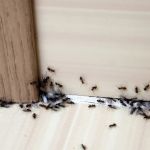 How to Make Your Home Less Attractive to Pests – Simple Tips to Protect Your Home
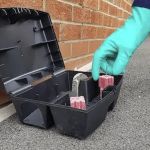 How to Use Bait Stations Safely Around Children
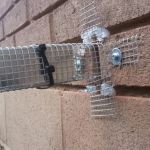 How to Block Rodent Access Around Foundations
 How to Prepare Guests’ Homes for Pest Prevention: Expert Tips and Strategies
 Seasonal Pest Prevention Checklist for Spring
 How to Use Smart Devices for Insect Alerts