
- entry-points-basics-understanding-insect-access-logic-why-small-gaps-matter
- door-and-window-protection-mechanical-barriers-that-block-common-pests
- structural-sealing-techniques-long-term-prevention-for-homes-and-apartments
- outdoor-defense-strategies-landscape-and-perimeter-based-insect-blocking
- maintenance-and-monitoring-keeping-pest-barriers-effective-year-round
Understanding How Insects Enter Modern Homes and Why Small Openings Matter
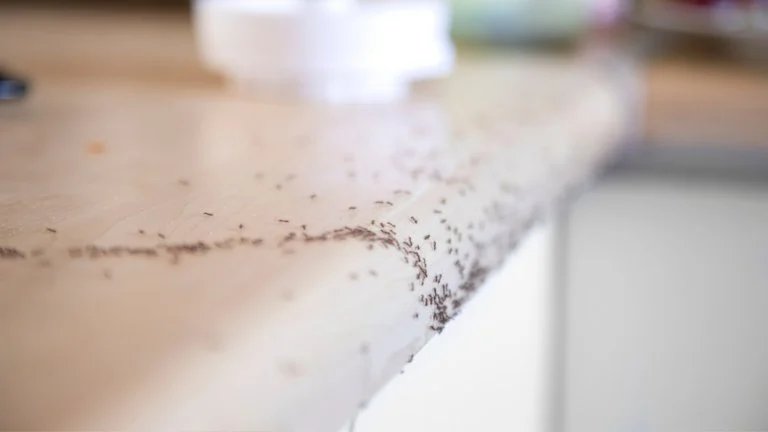
In most homes, insect problems don’t begin with a major infestation—they start with tiny, almost invisible entry points. A crack under a door, a poorly sealed window frame, or even a gap around utility pipes can become a highway for ants, mosquitoes, and roaches. Learning how to use barriers to prevent insect entry is less about heavy chemical solutions and more about understanding how these pests think and move.
One real-world example comes from a homeowner in Florida who struggled with recurring ant trails in her kitchen every summer. She tried sprays and traps for months without long-term success. The issue wasn’t inside the kitchen—it was a small gap where the sliding door met the track. Once she installed a proper sealing strip and added a threshold barrier, the infestation stopped almost immediately. This simple fix highlights how physical prevention is often more effective than reactive treatment.
Snyder's Termite & Pest Management, Inc.
WilliamsportWashington CountyMaryland
2 W Potomac Pkwy Suite 4, Williamsport, MD 21795, USA
Door and Window Systems as the First Line of Defense Against Insects
How Door Gaps Become Entry Highways for Pests
Doors are one of the most frequently used entry points in any household, which also makes them one of the weakest defenses. Even a few millimeters of space at the bottom of a door can allow crawling insects to enter freely. Over time, repeated movement of doors can also loosen their alignment, making the problem worse.
Installing door sealing strips is one of the simplest and most effective pest control barriers available. These strips create a tight seal that blocks crawling insects while also reducing dust and drafts. Many homeowners underestimate how much difference this small addition can make until they experience a significant drop in indoor insect activity.

Window Mesh Screens and Their Role in Airflow Protection
Windows are another major vulnerability, especially during warmer months when ventilation is necessary. Window mesh screens act as a physical filter, allowing air circulation while preventing flying insects such as mosquitoes and flies from entering.
In urban apartments, where open windows are common for airflow, mesh screens can dramatically reduce nightly mosquito intrusion. A case study from a Chicago apartment complex showed that residents who installed fine-weave insect screens reported over 70% fewer mosquito-related complaints during peak summer months.
Structural Sealing Techniques That Strengthen Long-Term Home Protection
Cracks, Pipes, and Hidden Gaps That Go Unnoticed
Beyond visible entry points, insects often exploit structural weaknesses. These include gaps around plumbing lines, electrical conduits, and foundation cracks. These spaces are rarely checked during routine cleaning, which allows pests to establish hidden routes into living spaces.
Using silicone-based sealants or expanding foam is a long-term solution that physically blocks these access points. Professional pest prevention specialists often recommend combining sealing work with regular inspections, especially in older homes where structural shifts are more common.
Why Structural Barriers Work Better Than Chemical-Only Solutions
Chemical sprays may eliminate visible insects, but they do not prevent new ones from entering. Structural sealing, on the other hand, removes the possibility of entry altogether. This proactive approach reduces the need for repeated treatments and creates a more stable indoor environment.
For homeowners looking to take a more complete approach, platforms like PestControlHub offer guidance on selecting the right sealing materials and pest control barrier tools suited for different home structures.
Outdoor Defense Strategies That Reduce Insect Pressure Before They Reach Your Home
Landscape Design and Natural Pest Deterrence
The environment surrounding your home plays a major role in insect activity indoors. Overgrown plants, standing water, and poorly maintained gardens can attract mosquitoes, ants, and beetles. By adjusting landscaping habits, homeowners can significantly reduce pest pressure before insects ever reach entry points.
For example, trimming shrubs away from exterior walls prevents insects from using vegetation as a bridge into windows. Similarly, removing stagnant water sources eliminates breeding grounds for mosquitoes.
Perimeter Barriers and Physical Outdoor Protection
Gravel borders, mulch control, and outdoor door sweeps serve as additional layers of defense. These methods may seem simple, but they disrupt insect movement patterns and reduce their ability to approach entry points.
A suburban homeowner in Texas shared how switching from dense mulch to a gravel perimeter around the house foundation significantly reduced termite and ant activity within one season. This demonstrates how outdoor pest control barriers can complement indoor strategies effectively.
Maintenance and Monitoring for Long-Term Insect Prevention Success
Why Regular Inspection Prevents Small Issues from Becoming Infestations
Even the best-installed barriers lose effectiveness over time. Weather changes, wear and tear, and home settling can create new gaps. Regular inspection ensures that these weaknesses are identified early before insects take advantage of them.
Monthly checks of doors, windows, and sealed areas are often recommended for optimal protection. Homeowners who adopt a routine inspection habit typically report fewer pest-related emergencies compared to those who only react when problems appear.
Seasonal Adjustments and Adaptive Pest Control Thinking
Different seasons bring different insect behaviors. Summer increases mosquito activity, while colder months often drive insects indoors seeking warmth. Adjusting barrier strategies seasonally ensures continuous protection throughout the year.
For those seeking additional support in building a complete prevention system, PestControlHub provides resources and solutions designed to help homeowners maintain strong, adaptable insect defense systems across all seasons.
Building a Fully Protected Home Environment Through Layered Barrier Systems
The most effective approach to preventing insect entry is not relying on a single method, but combining multiple layers of protection. Door seals, window screens, structural sealing, and outdoor landscaping all work together to create a system that is difficult for pests to penetrate.
When these strategies are applied consistently, homeowners experience not only fewer insect problems but also improved comfort, hygiene, and peace of mind. The key is understanding that pest prevention is not a one-time task, but an ongoing system of small, intentional actions that work together over time.




 Massey Services Pest Control4.0 (148 reviews)
 East End Pest Management5.0 (26 reviews)
 Independent Pest Management Solutions LLC5.0 (5 reviews)
 NexGreen Lawn and Tree Care4.0 (271 reviews)
 570 Pest and Weed Defense, LLC5.0 (3 reviews)
 Orkin4.0 (1586 reviews)
 How to Monitor Pest Trends Post Treatment: Tips for Ongoing Control
 How to Safely Relocate Wildlife (Skunks, Opossums, Birds): A Comprehensive Guide
 How to Track Pest Control Efficiency Year Over Year
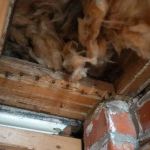 How to Spot Pest Activity in Wall Voids: Signs & Prevention Tips
 How Landscaping Mulch Types Affect Pest Attraction – Tips for a Pest-Free Yard
 How to Choose Pest Control Frequency