Restoring Balance in Nature Without Harsh Chemicals
When invasive pests take over a garden, farm, or landscape, the instinct is often to reach for chemical sprays. But there is a quieter, more sustainable method that has been gaining attention in the US and around the world: biological pest control. Understanding how to use biological controls against invasive pests can completely change the way we think about pest management.
Instead of trying to eliminate every pest manually or chemically, biological control focuses on restoring natural balance. It uses living organisms—such as predators, parasites, or pathogens—to keep pest populations under control. This approach works with nature rather than against it.
- Eco-friendly strategy - reduces reliance on synthetic pesticides
- Long-term balance - focuses on sustainable pest population control
- Natural predators - uses beneficial organisms to manage invasive species
Understanding Biological Control Systems
At its core, biological control is about relationships. In nature, every pest has a predator or natural enemy. When invasive pests enter a new environment without these natural controls, their population can explode. Biological control reintroduces that balance.
City Best Pest Control
PhiladelphiaPhiladelphia CountyPennsylvania
607 E Passyunk Ave #3, Philadelphia, PA 19147, USA
Types of Biological Control Agents
There are three primary categories used in modern pest management systems. Each plays a unique role in suppressing invasive populations.
Predators: These organisms actively hunt and consume pests. Ladybugs, for example, are well-known predators of aphids.
Parasitoids: These insects lay eggs inside or on pests, eventually killing them. Tiny wasps are often used to control caterpillar infestations.
Pathogens: These include bacteria, fungi, or viruses that infect and weaken pest populations over time, reducing their spread naturally.
SKEETER'S of Stow Mosquito- Tick Control Services by Tree-EMT
2248 Norman Dr, Stow, OH 44224, USA
How to Use Biological Controls Against Invasive Pests in Real Settings
Applying biological control is not about releasing insects randomly. It requires understanding the ecosystem, pest type, and timing. Successful implementation depends on strategic planning rather than immediate results.
Step 1: Identify the Invasive Pest Accurately
Before introducing any biological agent, proper identification is essential. Misidentifying pests can lead to ineffective or even harmful interventions. For example, aphids and whiteflies may look similar to untrained eyes, but they require different control strategies.
A real-world case in California citrus farms showed that early misidentification of invasive Asian citrus psyllid led to delayed control measures. Once correctly identified, parasitoid wasps were introduced, significantly reducing infestation levels over time.
Step 2: Choose the Right Beneficial Organisms
Selecting the correct biological control agent is critical. Not every predator works for every pest. Matching the organism to the target pest ensures effectiveness and ecological safety.
For example, lady beetles are effective against soft-bodied insects like aphids, while predatory mites help manage spider mite outbreaks in greenhouses.
Step 3: Create a Supportive Environment
Biological control agents need a stable environment to thrive. This means reducing pesticide use, providing plant diversity, and maintaining humidity or temperature conditions suitable for beneficial organisms.
Many gardeners underestimate this step. Without proper habitat conditions, introduced predators may leave or fail to reproduce, reducing long-term effectiveness.
Real-Life Example: Turning a Pest Crisis into a Balanced Ecosystem
A community garden in Oregon once faced a severe invasion of cabbage worms that destroyed leafy crops season after season. Instead of relying on repeated chemical sprays, the gardeners introduced parasitic wasps known to target cabbage worms.
Over the course of one growing season, the pest population dropped dramatically. By the following year, natural balance had been restored, and chemical use was no longer necessary. This example highlights how biological control can create lasting solutions instead of temporary fixes.
Advantages of Biological Pest Control Over Chemical Methods
While chemical pesticides offer quick results, they often disrupt ecosystems and harm beneficial organisms. Biological control provides a slower but more sustainable alternative.
Long-Term Ecosystem Stability
Once established, biological control agents continue to regulate pest populations without repeated intervention. This reduces dependency on external inputs and supports biodiversity.
Reduced Environmental Impact
Unlike chemical pesticides, biological methods do not contaminate soil or water systems. They also reduce risks to pollinators like bees, which are essential for agriculture.
Cost Efficiency Over Time
Although initial setup may require planning and expertise, long-term maintenance costs are often lower compared to repeated chemical treatments.
Common Mistakes in Biological Pest Management
Many people expect immediate results, which leads to improper application of biological control methods. Understanding common mistakes helps improve success rates.
- Releasing predators without enough food supply
- Using pesticides that kill beneficial organisms
- Ignoring environmental conditions needed for survival
- Expecting instant pest elimination instead of gradual control
In one greenhouse case in Florida, growers released predatory insects while still using broad-spectrum pesticides. The result was failure of the biological program because beneficial insects could not survive.
Integrating Biological Control into Modern Pest Management
Modern agriculture and gardening increasingly rely on integrated pest management systems that combine biological, cultural, and mechanical methods. Biological control is a cornerstone of this approach.
Instead of replacing all other methods, it works best when combined with crop rotation, habitat management, and careful monitoring. This balanced system ensures pests are controlled without damaging the environment.
For homeowners and professionals looking to explore safe and effective pest solutions, platforms like PestControlHub offer valuable guidance and resources tailored to sustainable pest management strategies.
Building a Sustainable Pest Control Mindset
Learning how to use biological controls against invasive pests is not just about technique—it’s about changing perspective. Instead of viewing pests as enemies to eliminate completely, they are seen as part of a larger ecological system that can be managed intelligently.
This mindset shift leads to healthier gardens, more resilient farms, and reduced environmental harm. With proper planning and patience, biological control becomes one of the most effective long-term strategies in modern pest management.
 Morris Pest Control4.0 (10 reviews)
 Altus Pest Control4.0 (1 reviews)
 Rocky Top Pest4.0 (48 reviews)
 Skyline Services5.0 (9 reviews)
 Paul's Exterminating Inc.4.0 (33 reviews)
 ApolloX Pest Control4.0 (93 reviews)
 How to Control Fire Ants in Your Yard | Proven Methods and Solutions
 How to Use Smoke Tests to Reveal Pest Entry Points – A Simple Guide
 How to Keep Crawlspaces Ventilated & Pest-Resistant: A Complete Guide
 How to Safely Use Fumigation Methods
 How to Use Low-Toxic Sprays Safely: A Complete Guide
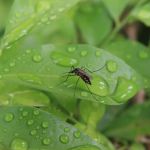 Why Pests Are More Active After Rain