
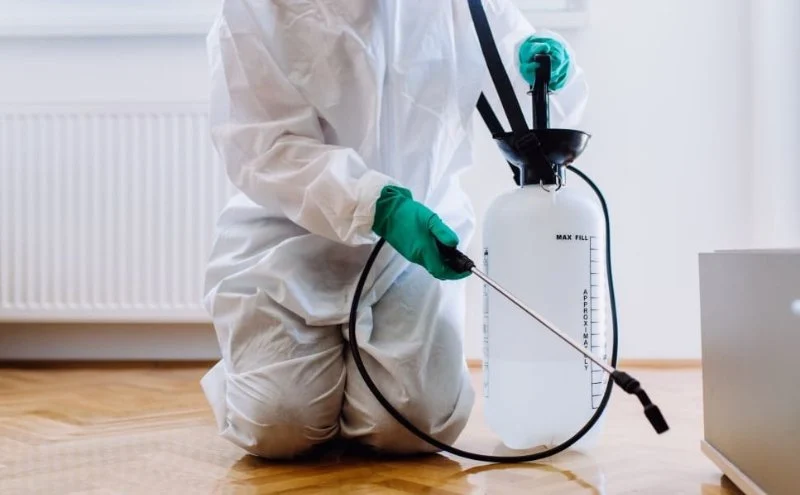
- section-understanding-reinfestation-risks - why pests return after treatment
- section-post-treatment-home-care - cleaning and sealing strategies
- section-long-term-prevention-habits - daily routines that keep pests away
- section-case-study-real-examples - real situations of pest return and prevention success
- section-professional-support-role - when to rely on pest control experts
Why Pest Problems Often Return After Treatment
One of the most frustrating experiences for homeowners is dealing with pests that seem to disappear after treatment—only to return weeks later. Understanding how to prevent pest return after treatment starts with recognizing why reinfestation happens in the first place. Most pest control treatments eliminate active pests, but they may not fully remove eggs, hidden nests, or environmental attractants.
For example, in many suburban homes, ants or cockroaches reappear because food residue or moisture sources remain unchanged. Even a perfectly executed treatment can lose effectiveness if the surrounding environment continues to support pest survival.
This is why pest control maintenance is not a one-time action but an ongoing process that involves both professional treatment and homeowner participation.
Woody's Pest Control, Inc.
SalisburyWicomico CountyMaryland
3730 Meadow Bridge Rd, Salisbury, MD 21804, USA
Post-Treatment Cleaning and Home Care Strategies
After professional pest control, the first 48–72 hours are critical. This period determines whether pests will find conditions favorable for returning. Deep cleaning helps remove chemical attractants, food particles, and nesting opportunities.
Focus on kitchen surfaces, under appliances, and hidden corners where crumbs or moisture may accumulate. Vacuuming regularly and sealing trash properly are simple but powerful steps in post pest treatment care.
In one case from Arizona, a family continued seeing cockroaches after multiple treatments. The issue wasn’t the treatment—it was an unnoticed water leak under the sink. Once repaired and cleaned, pest activity dropped dramatically within days.
Gam Bed Bug Exterminator Niagara Falls
Niagara FallsNiagara CountyNew York
1625 Buffalo Ave, Niagara Falls, NY 14303, USA
Building Long-Term Pest Prevention Habits
Preventing pests from returning requires consistent habits that reduce their access to food, water, and shelter. A pest-proof home is not achieved overnight; it is maintained through routine discipline.
Key behaviors include storing food in sealed containers, fixing leaks promptly, and keeping outdoor vegetation trimmed away from the home. Even small cracks in walls or windows can become entry points if left unsealed.
Families who adopt strong home pest prevention tips often report significantly fewer infestations over time. The goal is to make the environment less attractive to pests, not just react when they appear.
Real-Life Example: The Recurring Ant Problem That Finally Stopped
A homeowner in Florida shared a recurring ant infestation that persisted despite multiple professional treatments. Initially, everything seemed resolved, but ants kept returning near the kitchen window.
After a detailed inspection, it was discovered that a small gap in the window frame allowed moisture and food scent particles to escape. Once sealed and cleaned properly, and combined with regular pest control maintenance, the issue was permanently resolved.
This example highlights a key lesson: preventing pest return after treatment often depends more on environmental control than on chemicals alone.
The Role of Environmental Control in Pest Prevention
Pests are driven by survival instincts. If your home provides consistent access to food or shelter, they will eventually return regardless of treatment quality. That is why environmental control is essential in long-term pest prevention.
This includes managing humidity levels, removing standing water, and ensuring garbage is disposed of properly. Outdoor lighting can also attract insects, so using pest-resistant lighting strategies helps reduce activity near entry points.
Services like PestControlHub often emphasize integrated pest management approaches, combining chemical treatment with structural and behavioral prevention techniques for long-lasting results.
Why Small Structural Repairs Make a Big Difference
One of the most overlooked aspects of pest-proofing is minor home damage. Tiny cracks in foundations, gaps around pipes, or damaged vents can become major entry points for pests over time.
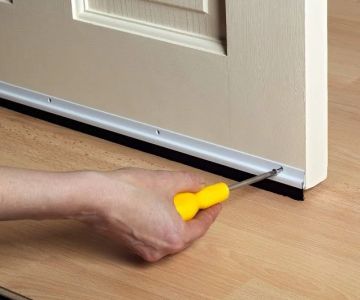
In many recurring pest cases, homeowners discover that sealing these small vulnerabilities eliminates the problem entirely. Silicone sealants, mesh screens, and weather stripping are inexpensive but highly effective solutions.
Ignoring these issues often leads to repeated infestations, even after multiple professional treatments.
When Professional Pest Control Support Becomes Essential
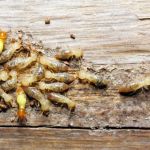
While DIY prevention plays a major role, certain infestations require ongoing professional monitoring. Termites, bed bugs, and large rodent populations often need structured follow-up treatments.
Professional pest control experts not only eliminate existing infestations but also provide tailored prevention plans based on property conditions. This ensures that prevent pest return after treatment strategies are adapted to specific risks.
In long-term pest management, combining expert guidance with homeowner habits produces the most reliable results. A coordinated approach significantly reduces the chances of reinfestation and protects property value over time.
 Morris Pest Control4.0 (10 reviews)
 Altus Pest Control4.0 (1 reviews)
 Rocky Top Pest4.0 (48 reviews)
 Skyline Services5.0 (9 reviews)
 Paul's Exterminating Inc.4.0 (33 reviews)
 ApolloX Pest Control4.0 (93 reviews)
 How to Control Fire Ants in Your Yard | Proven Methods and Solutions
 How to Use Smoke Tests to Reveal Pest Entry Points – A Simple Guide
 How to Keep Crawlspaces Ventilated & Pest-Resistant: A Complete Guide
 How to Safely Use Fumigation Methods
 How to Use Low-Toxic Sprays Safely: A Complete Guide
 Why Pests Are More Active After Rain