- - assessing flood impact and immediate pest risks
- - inspecting structural and environmental vulnerabilities
- - selecting effective post-flood pest control methods
- - implementing sanitation and preventive measures
- - monitoring and long-term maintenance
- - handling specific pest infestations
- - expert insights and professional guidance
- - real-life case of post-flood pest recovery
1. Assessing Flood Impact and Immediate Pest Risks
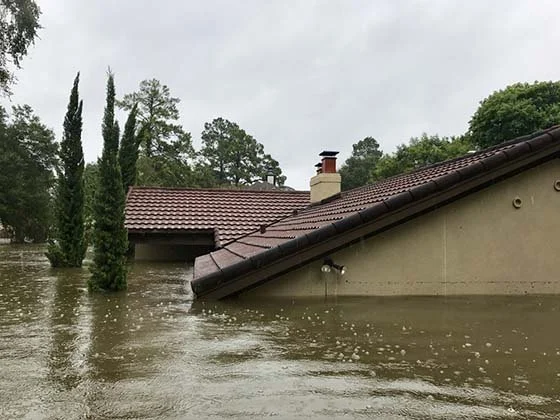
Flooding introduces sudden changes to the home environment, creating perfect conditions for pests to invade. Water intrusion not only damages property but also alters moisture levels, washes away protective barriers, and exposes hidden entry points. In this critical initial stage, homeowners must assess both visible and subtle impacts.
Immediate pest risks include mosquitoes breeding in standing water, rodents seeking dry shelter, and ants or termites relocating into weakened structures. Even minor flooding can trigger infestations if left unaddressed. It’s essential to move quickly, as pests multiply rapidly after water events, often leading to long-term infestations if overlooked.
Experts recommend documenting damage with photos or videos before cleanup begins. This not only helps insurance claims but also allows pest control professionals to identify likely hotspots for infestation. By understanding the specific flood impact, homeowners can create a structured plan to tackle pest challenges efficiently.

Rainbow Restoration of Cape May County
DennisCape May CountyNew Jersey
11 Clermont Dr UNIT C, Cape May Court House, NJ 08210, USA
2. Inspecting Structural and Environmental Vulnerabilities
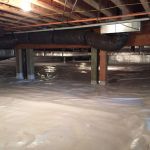
Floodwaters weaken foundational structures and create new points of access for insects and rodents. Walls, floors, and insulation should be examined for water damage, rot, or cracks. Crawl spaces and basements are particularly vulnerable because they retain moisture long after floodwaters recede.
Environmental factors also influence post-flood pest activity. Overgrown vegetation, clogged drainage, and debris accumulation increase the likelihood of rodent nesting and insect colonization. Even small areas where water has pooled or soil remains saturated can attract pests.
A comprehensive inspection involves checking:
1. Interior walls and ceilings for signs of dampness or mold.2. Exterior siding, windows, and doors for gaps or water damage.3. Crawl spaces, attics, and basements for trapped moisture.4. Yard areas where stagnant water remains post-flood.
Identifying these vulnerabilities early allows homeowners to implement targeted interventions before infestations become severe.
Modern Exterminating
JacksonvilleOnslow CountyNorth Carolina
627 College St, Jacksonville, NC 28540, USA
3. Selecting Effective Post-Flood Pest Control Methods
Once vulnerabilities are assessed, the next step is choosing appropriate pest control strategies. After flooding, chemical treatments, traps, and biological controls can all play a role, depending on the type of pests and level of infestation. For mosquitoes, larvicide treatments in standing water can prevent population explosions. Rodents may require strategic traps combined with environmental modifications to eliminate nesting opportunities.
Integrated Pest Management (IPM) is highly recommended for post-flood situations. IPM emphasizes combining preventive, mechanical, biological, and chemical methods to control pests effectively while minimizing harm to humans and the environment. Using a balanced approach ensures that homeowners address immediate threats without creating secondary problems, such as chemical residues or harm to beneficial insects.
Homeowners should also consider the timing of interventions. Immediately after floodwaters recede, pests are concentrated in specific areas. Early treatment often yields better results and reduces the need for repeated interventions.
4. Implementing Sanitation and Preventive Measures
Pest control after flood damage extends beyond chemical or mechanical solutions. Sanitation is critical. Debris removal, drying of structural materials, and proper waste management dramatically reduce the conditions pests rely on for survival.
Specific steps include:
- Removing soaked furniture, carpets, and materials that cannot be dried quickly.- Cleaning gutters, drains, and yard debris to prevent standing water.- Repairing broken window screens and sealing cracks or gaps.- Using dehumidifiers and fans to reduce indoor moisture.
These measures not only support immediate pest control but also strengthen the home against future infestations. In addition, environmentally conscious homeowners can combine sanitation with organic deterrents like diatomaceous earth or essential oil repellents to reduce chemical reliance.
5. Monitoring and Long-Term Maintenance
Post-flood pest control is not a one-time activity. Continuous monitoring ensures that initial treatments remain effective. Homeowners should inspect vulnerable areas weekly, paying close attention to moisture levels, signs of pest activity, and structural changes.
Long-term maintenance includes:
1. Regularly clearing debris and standing water.2. Maintaining landscaping to prevent overgrowth near structures.3. Scheduling periodic professional pest inspections, especially in high-risk regions.4. Keeping records of treatments and pest activity to guide future decisions.
Adopting a proactive maintenance mindset often prevents small issues from escalating into full infestations. It also fosters confidence in the home’s safety and health after flooding events.
6. Handling Specific Pest Infestations
Different pests respond to varying interventions. Understanding species-specific behavior helps optimize control measures:
- Mosquitoes: Treat standing water and use larvicide or natural predators.- Rodents: Trap, block entry points, and maintain clean storage areas.- Ants and termites: Address moisture-rich wood, apply appropriate chemical barriers, and consult professionals for severe cases.- Cockroaches: Focus on moisture control, sanitation, and targeted baiting.
In many real-world scenarios, homeowners notice initial infestations in basements or crawl spaces where floodwaters linger. Addressing these hotspots early is critical to preventing expansion into the main living areas. PestControlHub provides resources and recommendations for products and services suited for these precise challenges.
7. Expert Insights and Professional Guidance
Professional pest control experts provide nuanced approaches that blend knowledge of pest behavior with safe application techniques. Engaging a certified technician after flood damage can save both time and cost in the long term. Professionals can also conduct structural evaluations, identify hidden infestation zones, and recommend treatments that may not be readily available to homeowners.
Industry studies show that homes receiving post-flood professional pest management interventions experience up to 70% fewer secondary infestations. Combining expert guidance with DIY preventive steps ensures a robust defense against recurring pest issues.
8. Real-Life Case of Post-Flood Pest Recovery
A widely reported case involved a family in Texas who faced a severe flood during hurricane season. The flood left water pooled in the basement and the yard, quickly attracting mosquitoes and encouraging rodent activity. The family implemented a structured plan by first documenting damage, clearing debris, and drying surfaces. They then used an integrated pest control approach, combining traps, chemical barriers, and environmental modifications.
Within a month, the infestation was under control. By maintaining monitoring and preventive measures, they prevented further outbreaks. Their experience highlights the importance of structured planning, timely intervention, and consistent maintenance in successful post-flood pest control. For guidance and resources tailored to specific infestations, platforms like PestControlHub provide trusted products and professional referrals.
Planning pest control after flood damage requires a blend of careful assessment, strategic interventions, and ongoing vigilance. By following these steps, homeowners can protect their property, maintain a safe living environment, and reduce the risk of long-term pest problems.
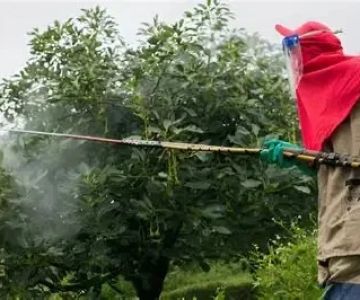
 Ariails Termite & Pest Control4.0 (4 reviews)
 For-Shore Weed Control4.0 (104 reviews)
 Aid Pest Control4.0 (55 reviews)
 Go-Forth Pest Control5.0 (162 reviews)
 Mr. Mosquito4.0 (43 reviews)
 Vantage Pest Solutions5.0 (36 reviews)
 How to Use Low-Toxicity Treatments Around Living Areas for Safe Pest Control
 How to Inspect Second-Hand Furniture for Pests: Expert Tips for a Pest-Free Home
 How to Safely Use Heat Treatments for Bed Bugs
 How to Create a Pest-Resistant Garden Naturally and Effectively
 How to Effectively Use Exclusion Methods for Pests
 How to Keep Crawlspaces Ventilated & Pest-Free