
- crawlspace-inspection-Identifying Crawlspace Pests-Understanding common crawlspace invaders and their impact
- inspection-tools-Tools and Techniques for Monitoring-Pest detection equipment and visual inspections
- moisture-control-Managing Environmental Factors-How moisture and temperature affect pest activity
- real-case-study-Real-Life Examples of Crawlspace Infestations-What homeowners can learn from past incidents
- prevention-strategies-Preventive Measures and Ongoing Monitoring-Safe methods to minimize future infestations
Identifying Crawlspace Pests: Understanding Common Invaders and Their Impact
Crawlspaces, often dark and damp, provide the perfect environment for pests to thrive. Homeowners frequently overlook these areas, creating hidden zones where rodents, insects, and other pests can establish colonies unnoticed. Knowing which pests are likely to invade is the first step in effective monitoring.

Rodents
Rats and mice are among the most common crawlspace invaders. They gnaw on insulation, wiring, and wooden structures, potentially causing fire hazards and structural damage. Detecting rodents early can save homeowners thousands in repairs. Look for droppings, gnaw marks, or greasy tracks along walls and floor joists.

Guarantee Pest Control of Bowling Green Inc
Bowling GreenWarren CountyKentucky
860 Lain Ave, Bowling Green, KY 42101, USA
Insects and Termites
Termites and carpenter ants thrive in moist wood, while cockroaches and spiders find shelter in dark corners. A subtle infestation may not be immediately obvious, but signs include small holes in wood, sawdust-like frass, and insect droppings. Regular inspection can prevent severe structural damage.
Other Common Crawlspace Invaders
Snakes, bats, and raccoons sometimes access crawlspaces, especially where vents or openings are unsealed. While these animals may not directly damage structures, their droppings can carry pathogens, creating health risks for residents.
Tools and Techniques for Monitoring Pest Conditions
Monitoring pests effectively requires a combination of observation, tools, and systematic inspections. Both DIY homeowners and professional pest control services use these methods to maintain control over crawlspace infestations.
Visual Inspection Techniques
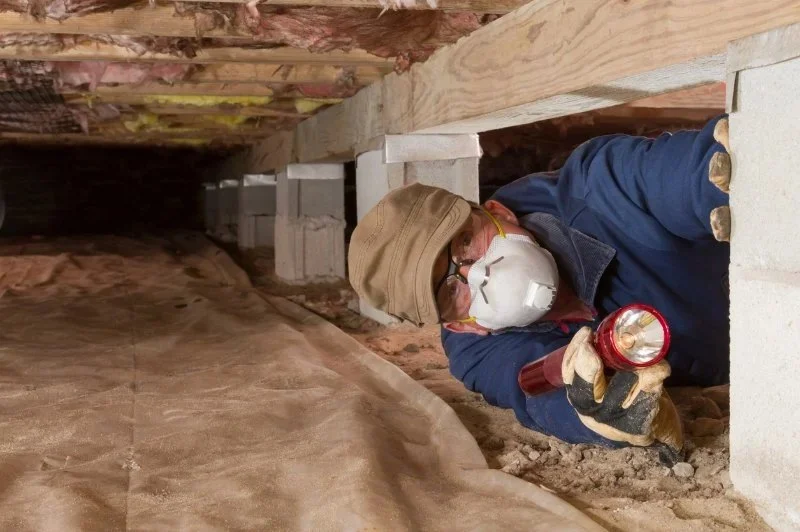
Start with a thorough visual assessment. Use a bright flashlight to illuminate corners, joists, and insulation. Look for droppings, bite marks, nests, and moisture stains. Mark any areas of concern for follow-up inspections.
Pest Detection Equipment
Modern technology provides additional detection tools. Motion-activated cameras, infrared sensors, and ultrasonic devices help monitor rodent or animal activity without constant physical presence. Sticky traps and pheromone-based traps can also provide evidence of insect activity over time.
Inspection Frequency
The ideal crawlspace monitoring schedule depends on climate and property age. Inspect at least twice a year—preferably during spring and fall—when pests are most active. Increased inspections are necessary if a home has a history of infestations or environmental vulnerabilities.
Managing Environmental Factors: How Moisture and Temperature Affect Pest Activity
Crawlspaces are often prone to moisture accumulation due to poor drainage, leaking pipes, or high humidity. Excess moisture creates a hospitable environment for insects and rodents.
Controlling Moisture Levels
Install vapor barriers, dehumidifiers, or ventilation systems to maintain dry conditions. Keeping relative humidity below 50% reduces the likelihood of mold, termites, and other moisture-loving pests. Homeowners can also inspect plumbing and foundation areas for leaks or cracks contributing to dampness.
Temperature Management
Extreme temperatures can drive pests into crawlspaces seeking shelter. Insulation and sealing gaps prevent heat loss in winter and cool areas in summer, reducing the attractiveness of crawlspaces as safe havens.
Real-Life Examples of Crawlspace Infestations: Lessons for Homeowners
Consider the example of a Midwest homeowner who ignored their crawlspace for several years. Moisture buildup combined with loose insulation created an ideal environment for a rodent colony. By the time signs were noticeable in the living area—chewed wires and droppings—it required professional remediation costing over $4,000. Early monitoring could have prevented such damage.
Another case involved a termite infestation in a Southern home. Subtle signs, such as small wood holes and mild structural sagging, went unnoticed for months. Regular inspections could have identified the infestation at an early stage, preventing major structural repairs and significant costs.
Preventive Measures and Ongoing Monitoring
Preventing pest problems in crawlspaces involves both structural improvements and regular monitoring. Key strategies include sealing entry points, maintaining low humidity, and using traps or detection devices to identify activity early.
Sealing and Insulating
Close gaps around foundation vents, pipes, and access points. Proper insulation not only improves energy efficiency but also discourages pests from nesting.
Routine Monitoring Protocols
Establish a crawlspace inspection log, noting observations, trapped pests, and environmental changes. Consistency allows homeowners to detect trends and act promptly.
Professional Assistance
Engaging experts from PestControlHub can enhance the effectiveness of monitoring programs. Professionals provide advanced detection tools, expert recommendations, and targeted solutions that homeowners may not have access to, ensuring a safer and healthier home environment.
Education and Awareness
Homeowners who understand the signs of pest activity and the conditions that encourage infestations are better equipped to maintain a pest-free crawlspace. Attending workshops or reading reputable guides from professional pest control services provides knowledge that pays off in long-term savings and safety.
In summary, monitoring pest conditions in crawlspaces requires diligence, proper tools, environmental management, and, when needed, professional guidance. A proactive approach protects both the structural integrity of a home and the health of its residents.



 Insight Pest Solutions5.0 (166 reviews)
 Orkin4.0 (202 reviews)
 Mulholland Pest Control5.0 (63 reviews)
 FSS, Inc.4.0 (4 reviews)
 Brooks Pest Control Inc4.0 (12 reviews)
 Northwest Exterminating - Ringgold4.0 (85 reviews)
 How to Handle Pest Damage Claims With Insurance
 How to Prevent Pest Return After Treatment: Effective Strategies
 How to Use Targeted Barrier Treatments
 How to Choose Between Pest Control Contracts: A Comprehensive Guide
 How to Use Smart Alerts After Treatment for Pest Control
 How to Use Natural Oils for Pest Prevention