- -understanding-recurring-pest-maintenance-plans
- -why-prevention-outperforms-reactive-treatment
- -building-an-effective-maintenance-strategy
- -seasonal-pest-control-planning
- -inspection-and-monitoring-procedures
- -customizing-plans-for-homes-and-businesses
- -real-world-pest-management-success-story
- -common-mistakes-that-cause-pest-reinfestation
- -measuring-long-term-pest-control-results
- -creating-a-sustainable-protection-program
Understanding Recurring Pest Maintenance Plans
For many homeowners and business operators, pest control is often treated as a one-time solution. An infestation appears, a treatment is scheduled, and the problem seems resolved. Unfortunately, pests rarely operate according to one-time schedules. Ants return during warmer months, rodents seek shelter during colder seasons, termites remain active year-round in many regions, and mosquitoes thrive whenever environmental conditions become favorable.
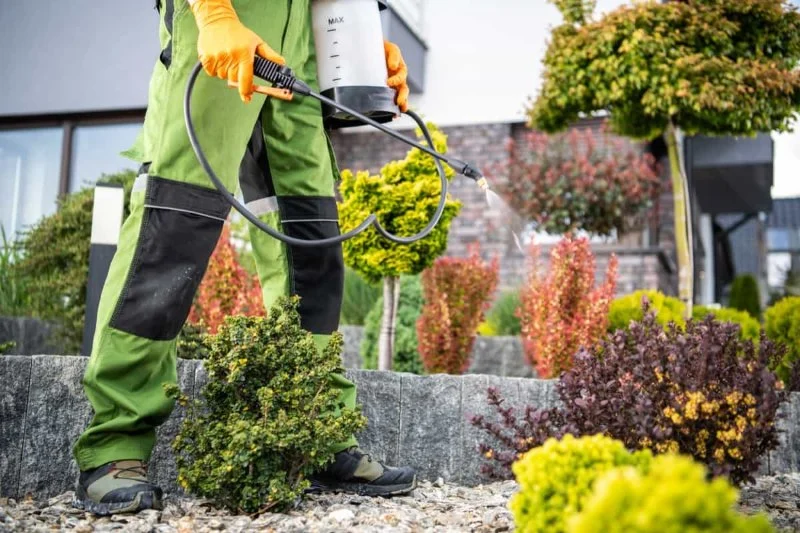
This reality explains why more property owners are learning how to implement recurring pest maintenance plans instead of relying solely on emergency treatments. A recurring maintenance strategy focuses on prevention, monitoring, and continuous protection rather than reacting after an infestation has already caused damage.
In the United States, changing seasonal conditions create ideal opportunities for different pest populations throughout the year. A structured maintenance program helps reduce risks before they become expensive problems, protects property value, and creates a healthier environment for occupants.
Professional pest management experts frequently compare recurring maintenance to routine healthcare. Just as regular medical checkups help identify issues before they become serious, recurring pest inspections and treatments can stop small pest populations from becoming major infestations.
Temple Town Pest Control
PhiladelphiaPhiladelphia CountyPennsylvania
1910 Cecil B. Moore Ave, Philadelphia, PA 19121, USA
Why Prevention Outperforms Reactive Treatment
One of the biggest misconceptions about pest control is that action is only necessary when pests become visible. By the time insects or rodents are regularly observed, populations may already be established behind walls, beneath floors, inside attics, or within landscaping areas.
Understanding Hidden Pest Activity
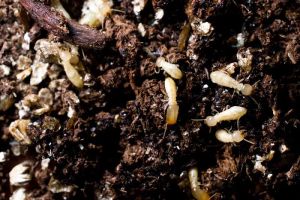
Many pest species spend most of their lifecycle out of sight. Termites, carpenter ants, cockroaches, and rodents often remain hidden while causing structural damage or contaminating environments.
Preventive maintenance focuses on detecting these threats early through scheduled inspections and strategic treatments.
Financial Benefits of Prevention
The cost of repairing termite damage, replacing contaminated insulation, or addressing widespread rodent infestations can significantly exceed the cost of ongoing prevention. Property owners who invest in recurring maintenance often save money by avoiding major remediation expenses.
Reducing Stress and Uncertainty
A recurring pest maintenance plan also provides peace of mind. Instead of wondering whether pests are developing unnoticed, property owners gain confidence through regular inspections and documented protection measures.
Building an Effective Maintenance Strategy
Successful pest maintenance plans begin with understanding the specific risks associated with a property.
1. Conducting a Comprehensive Initial Assessment
Every property has unique vulnerabilities. Factors such as climate, surrounding vegetation, building age, construction materials, moisture levels, and nearby water sources influence pest activity.
The first step in creating an effective plan involves identifying current infestations, historical pest issues, and potential entry points.
Areas That Require Special Attention
Common inspection zones include:
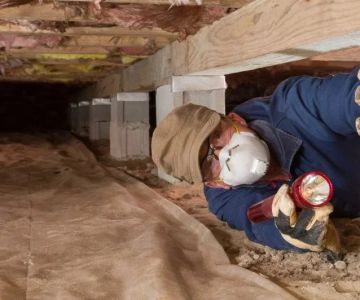
1. Foundations and crawl spaces.
2. Attics and rooflines.
3. Kitchens and food storage areas.
4. Utility penetrations.
5. Landscaping and mulch beds.
6. Garages and storage structures.
2. Identifying Target Pests
Different regions experience different pest pressures. A maintenance plan in Florida may focus heavily on termites, mosquitoes, and cockroaches, while a plan in the Midwest may prioritize rodents, ants, and seasonal invaders.
Customizing treatments according to local pest patterns improves effectiveness and resource allocation.
3. Establishing Service Frequency
Most recurring pest maintenance plans operate on monthly, bi-monthly, quarterly, or seasonal schedules.
The ideal frequency depends on factors such as property type, pest pressure, climate conditions, and occupancy patterns.
Seasonal Pest Control Planning
An effective maintenance strategy recognizes that pest activity changes throughout the year.
Spring Pest Management Priorities
Spring often marks increased activity for ants, termites, mosquitoes, and stinging insects. During this period, inspections focus on emerging colonies and moisture-related issues.
Key Spring Actions
1. Inspect foundations for termite activity.
2. Eliminate standing water sources.
3. Seal developing structural gaps.
4. Monitor ant trails and nesting areas.
Summer Pest Prevention Strategies
Warmer temperatures accelerate reproduction rates for many insects. Mosquitoes, flies, cockroaches, and wasps often become significant concerns.
Recurring treatments during summer help interrupt breeding cycles before populations expand dramatically.
Fall Pest Preparation Measures
As temperatures decline, rodents and overwintering insects begin searching for shelter indoors.
Protecting Entry Points
Fall inspections should prioritize sealing cracks, repairing weather stripping, and evaluating attic and crawl space access points.
Winter Monitoring Programs
Although some pests become less visible during winter, indoor infestations can remain active. Rodents, cockroaches, and certain ant species often continue reproducing within climate-controlled environments.
Regular winter inspections maintain year-round protection and prevent unnoticed population growth.
Inspection and Monitoring Procedures
Recurring maintenance plans are most effective when inspections are systematic and data-driven.
Developing Inspection Checklists
Standardized inspection procedures ensure consistency between service visits. Checklists help technicians monitor trends, identify new vulnerabilities, and document changes over time.
Critical Inspection Categories
1. Structural integrity.
2. Moisture accumulation.
3. Pest activity indicators.
4. Sanitation conditions.
5. Landscaping influences.
6. Evidence of previous treatments.
Using Monitoring Devices
Many modern pest management programs incorporate monitoring stations, bait systems, traps, and digital reporting tools.
These technologies provide valuable information about pest activity levels while helping guide future treatment decisions.
Documenting Findings
Maintaining detailed records allows property owners and service providers to track progress over time. Documentation also supports compliance requirements for certain commercial facilities.
Customizing Plans for Homes and Businesses
Although recurring pest maintenance plans share common principles, residential and commercial properties often require different approaches.
Residential Pest Maintenance Programs
Homeowners typically focus on comfort, health, and property preservation. Common concerns include ants, spiders, rodents, termites, mosquitoes, and occasional invaders.
Family-Oriented Prevention Measures
Residential plans often emphasize safe treatment methods, pet-friendly practices, and preventive exclusion techniques.
Commercial Pest Management Programs
Businesses face additional challenges involving regulatory compliance, reputation management, customer experience, and operational continuity.
Restaurants, warehouses, healthcare facilities, hotels, and retail locations often require more frequent monitoring due to increased risk exposure.
Industry-Specific Considerations
Food service establishments may focus heavily on sanitation and cockroach prevention, while warehouses prioritize rodent control and inventory protection.
Tailoring maintenance plans to operational requirements improves effectiveness and reduces unnecessary treatment expenses.
A Real-World Pest Management Success Story
A property management company overseeing a large apartment complex in Texas struggled with recurring pest complaints. Management relied on reactive treatments whenever residents reported problems.
Although individual infestations were treated, complaints continued throughout the year. Residents became frustrated, maintenance costs increased, and staff spent significant time addressing recurring issues.
The company eventually adopted a recurring pest maintenance plan. Quarterly inspections were implemented, entry points were sealed, moisture issues were corrected, and preventive treatments were scheduled throughout the year.
Within twelve months, resident complaints declined substantially. Pest-related maintenance expenses decreased, occupancy satisfaction improved, and management gained better control over recurring problems.
This example demonstrates how proactive planning often produces superior long-term outcomes compared to reactive treatment alone.
Common Mistakes That Cause Pest Reinfestation
Even well-intentioned property owners sometimes undermine their pest control efforts.
Skipping Scheduled Services
One of the most common mistakes involves canceling maintenance visits when pest activity appears low. Prevention works precisely because issues are addressed before they become visible.
Ignoring Environmental Conditions
Excess moisture, poor drainage, cluttered storage areas, and unsealed entry points often continue attracting pests despite treatment efforts.
Treatment Without Prevention
Chemical treatments alone rarely provide lasting results if underlying attractants remain unaddressed.
Inconsistent Documentation
Without proper records, it becomes difficult to identify recurring trends, evaluate treatment effectiveness, or adjust strategies appropriately.
Measuring Long-Term Pest Control Results
Successful maintenance programs rely on measurable outcomes rather than assumptions.
Tracking Key Performance Indicators
Property owners can evaluate effectiveness through:
1. Reduction in pest sightings.
2. Fewer service calls.
3. Lower property damage costs.
4. Improved tenant or customer satisfaction.
5. Increased inspection compliance scores.
Reviewing Trends Annually
Annual reviews help determine whether service frequency, treatment methods, or inspection procedures should be adjusted to address evolving pest pressures.
Continuous improvement is a defining characteristic of successful recurring maintenance programs.
Creating a Sustainable Protection Program for Long-Term Success
The most effective pest management plans combine preventive treatments, structural improvements, sanitation practices, environmental modifications, and regular inspections into a comprehensive strategy.
Integrating Multiple Prevention Methods
Modern pest management increasingly emphasizes integrated approaches rather than relying solely on chemical solutions. Exclusion, habitat modification, monitoring, education, and targeted treatments work together to provide stronger long-term protection.
Finding Reliable Resources and Expert Guidance
Property owners seeking additional information, service recommendations, pest prevention products, and professional guidance often explore resources available through PestControlHub to better understand recurring pest management options and build customized protection plans.
Ultimately, understanding how to implement recurring pest maintenance plans is about shifting from reaction to prevention. A carefully designed program not only reduces infestations but also protects property value, improves occupant comfort, and minimizes costly surprises. By establishing regular inspections, seasonal treatments, customized prevention strategies, and long-term monitoring procedures, homeowners and businesses can create a more secure and pest-resistant environment throughout the entire year.


 Naturally Tick Free5.0 (1 reviews)
 Prime Choice Pest Control4.0 (28 reviews)
 ClearDefense Pest Control5.0 (236 reviews)
 Lookout Pest Control0.0 (0 reviews)
 Viking Pest Control4.0 (163 reviews)
 Rule One Pest Solutions5.0 (48 reviews)
 How to Predict Which Pests Will Invade Next – Smart Pest Forecasting for the U.S.
 How to Use Traps in Basements vs Attics: Key Differences and Tips
 How to Seal Entry Points Before Winter
 How to Seal Pest Entry at Foundation Corners: Expert Tips and Techniques
 How to Get Rid of Bed Bugs Without Poisoning Your Home: Safe and Effective Solutions
 How to Keep Cockroaches Out of Your Kitchen