- 1-understanding-pest-education-value-homeowners - why knowledge reduces long-term costs
- 2-common-household-pests-and-hidden-damage - termites, ants, rodents explained
- 3-prevention-strategies-that-reduce-infestations - daily habits and home protection
- 4-real-case-home-pest-infestation-cost-story - financial impact of neglect
- 5-diy-vs-professional-pest-control-comparison - when knowledge saves money
- 6-seasonal-pest-risks-and-preparedness - how timing affects prevention
- 7-long-term-benefits-of-pest-education - smarter home ownership decisions
1. Why Learning About Pests Is a Financial Advantage
How awareness directly reduces household expenses
Understanding why pest education can save you money in the long run starts with a simple idea: most pest-related costs come from delayed action, not the pests themselves. Homeowners who understand early warning signs are far more likely to stop infestations before they become expensive structural problems.
In the United States, pest damage costs billions of dollars annually, with termites alone causing extensive structural repairs that often go unnoticed until significant damage has already occurred.

Education as the first line of defense
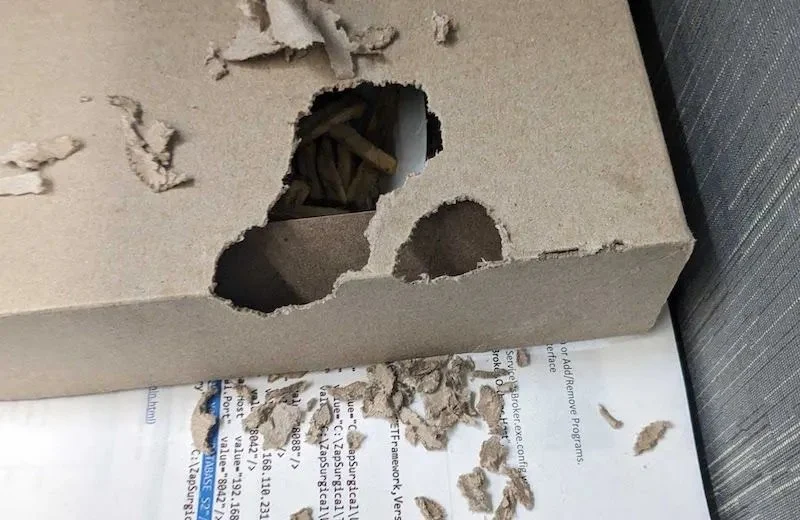
When homeowners know what to look for—droppings, hollow wood, unusual sounds—they can act early. This reduces the need for emergency extermination services or major home repairs.

Shawsheen Valley Mosquito & Tick Control
WilmingtonMiddlesex CountyMassachusetts
510 Shawsheen Ave, Wilmington, MA 01887, USA
2. Common Household Pests and the Damage They Cause
Termites and structural destruction
Termites are often called “silent destroyers” because they can damage wooden structures for months or even years without visible signs. By the time damage is noticed, repair costs can be substantial.
Rodents and contamination risks
Mice and rats not only damage wiring and insulation but also introduce health risks through contamination. This often leads to both cleaning expenses and potential medical costs.
Ants, cockroaches, and recurring infestations
While smaller pests may seem less harmful, they often return repeatedly if not properly managed. This creates ongoing treatment expenses that add up over time.
3. Practical Prevention That Saves Money Long-Term
Sealing entry points before problems begin
One of the most effective ways to apply pest education is learning how pests enter homes. Small cracks, gaps in doors, and unsealed vents often become entry points for infestations.
Maintaining cleanliness and food storage habits
Simple habits like sealing food containers and cleaning crumbs immediately can significantly reduce pest attraction. These small actions prevent costly infestations from developing.
Monitoring humidity and moisture levels
Many pests thrive in damp environments. Fixing leaks and controlling humidity levels can make a home far less attractive to insects and rodents.
4. A Real Homeowner Story About Preventable Damage
A suburban home overlooked early warning signs
A homeowner in Florida noticed small ant trails in the kitchen but assumed it was a minor issue. Without proper pest education, the problem was ignored for several weeks.
How a small issue turned into a costly repair
Over time, the ant problem escalated into a larger infestation that spread into wall spaces. Eventually, professional extermination and structural repairs were required, costing significantly more than early treatment would have.
The lesson learned from delayed action
This real case highlights why pest education can save you money in the long run. Recognizing early signs and acting immediately would have reduced costs dramatically.
5. DIY Pest Control vs Professional Services
When DIY methods are effective
For minor issues, DIY pest control methods such as traps, sprays, and sealing entry points can be effective and budget-friendly. Knowledge plays a key role in choosing the right approach.
When professional help becomes necessary
Large infestations, structural damage, or recurring pest problems often require professional intervention. Knowing when to escalate prevents wasted time and money on ineffective solutions.
The financial balance between both approaches
Educated homeowners are better at determining when DIY is sufficient and when professional services are necessary, avoiding unnecessary expenses on both ends.
6. Seasonal Pest Behavior and Timing Strategies
Why spring and summer bring higher risks
Warmer months increase pest activity, especially for ants, mosquitoes, and termites. Homeowners who understand seasonal patterns can prepare in advance.
Winter rodent migration into homes
During colder months, rodents often seek warmth indoors. Sealing entry points before winter reduces the likelihood of infestations.
Planning inspections before peak seasons
Regular inspections during transitional seasons help detect early signs of pest activity before it escalates.
7. Building Smarter Home Protection Through Knowledge
How education changes homeowner behavior
Homeowners who invest time in learning pest behavior tend to respond faster and more effectively to early warning signs. This reduces long-term financial strain.
Preventing emotional stress from infestations
Beyond financial costs, pest problems often create stress and discomfort. Early prevention helps maintain peace of mind in daily living.
Where to find reliable pest prevention guidance
Many homeowners turn to structured resources to improve their knowledge. Platforms like PestControlHub offer practical guidance, prevention strategies, and product recommendations that help homeowners understand why pest education can save you money in the long run.
Final insight for smarter home management
Pest control is not just about reacting to problems—it is about preventing them before they begin. With proper education, homeowners can avoid unnecessary expenses, protect their property, and maintain a healthier living environment over time.



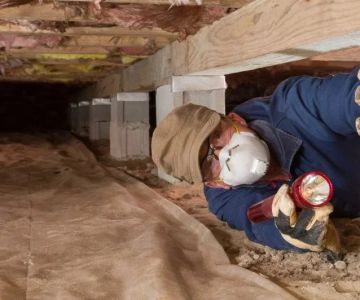
 Viking Pest Control4.0 (741 reviews)
 Pro-Spray Pest Control5.0 (23 reviews)
 LS Rodent Proofing & Pest Control Service5.0 (4 reviews)
 Monster Trapping5.0 (9 reviews)
 Terminix4.0 (637 reviews)
 JacopilleBornheimer Wildlife3.0 (16 reviews)
 Invisible Entry Points: How Pests Sneak Into Your House Explained
 How to Deal With Pest Infestations Near Water Features
 How to Deal With Pest Infestations in Basements
 How Pest Control Practices Vary State to State
 How to Inspect for Pests Around Plumbing Lines for a Safer Home
 How to Detect and Control Termites on a Budget: A Practical Guide for Homeowners