- understanding-low-impact-treatments-in-child-friendly-environments-safety-first-approach
- choosing-safe-and-non-toxic-methods-for-pest-control-in-kids-areas
- step-by-step-guide-to-applying-low-impact-treatments-at-home
- real-life-family-scenarios-when-safe-pest-control-made-a-difference
- avoiding-common-mistakes-in-child-safe-pest-management-practices
- long-term-strategies-for-maintaining-a-healthy-kid-friendly-living-space
Understanding Low Impact Treatments in Spaces Shared With Children
When discussing How to Use Low Impact Treatments Around Kids’ Spaces, the priority is always safety without compromising effectiveness. Homes with children require a different mindset—one that balances pest control needs with the sensitivity of developing immune systems and frequent floor-level exposure.
Silver Bullet Pest Control Services
PassaicPassaic CountyNew Jersey
187 Hope Ave, Passaic, NJ 07055, USA
What “low impact” really means in family environments
Low impact treatments refer to pest control methods that minimize chemical exposure while still addressing infestations effectively. These often include targeted applications, natural deterrents, physical barriers, and environmentally controlled solutions that reduce risk in shared living spaces.
Eco-Sound Pest Management
BirminghamOakland CountyMichigan
950 E Maple Rd # L7, Birmingham, MI 48009, USA
Why children’s environments require special consideration
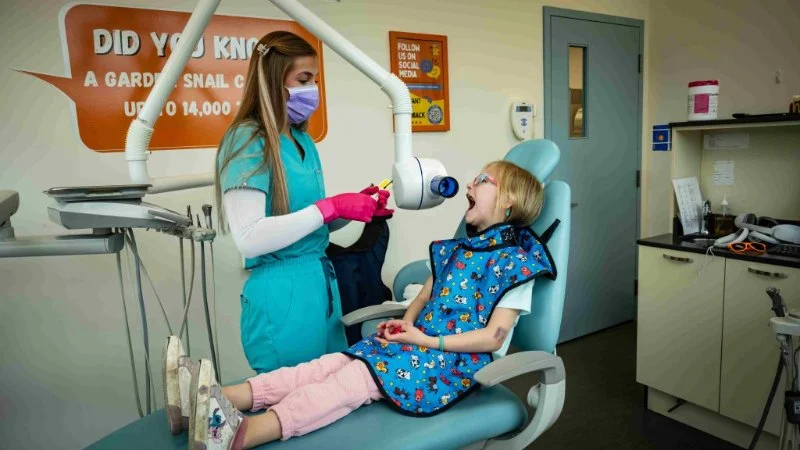
Children spend more time on floors, touch surfaces frequently, and often put objects in their mouths. This behavior increases exposure risk to residual chemicals, making child safe pest control methods essential rather than optional.
A real-world example from a suburban family home
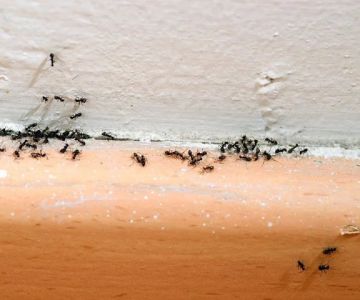
A family in Ohio discovered ants repeatedly entering their toddler’s play area. Instead of using strong sprays, they switched to targeted bait stations placed away from reach and improved kitchen sealing. Within a week, activity significantly decreased without exposing the child to harsh chemicals.
Choosing Safe and Non-Toxic Methods for Pest Control in Kids’ Areas
Selecting the right approach is the foundation of responsible pest management in homes with children. Many parents underestimate how effective low-impact alternatives can be when used correctly.
Natural and physical pest control alternatives
Methods such as diatomaceous earth (food grade), vinegar-based cleaning solutions, and essential oil barriers can deter pests without introducing harmful residues. Physical traps also reduce reliance on chemical exposure.
Why targeted application matters more than broad spraying
Instead of treating entire rooms, modern safe pest management for families focuses on pest entry points, hidden nests, and high-risk zones. This reduces chemical spread and keeps children’s play areas safer.
Case story: a daycare center in Texas
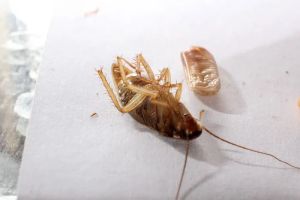
A small daycare faced recurring cockroach issues in storage areas. Instead of fumigation, they adopted gel bait placements in inaccessible zones and improved sanitation routines. The issue was resolved without disrupting daily childcare activities.
Step-by-Step Guide to Applying Low Impact Treatments at Home
Applying low impact treatments around kids spaces requires structure, patience, and awareness of child behavior patterns within the home.
Step 1: Identify pest activity zones carefully
Look for droppings, nesting areas, or entry points. Focus on kitchens, corners, and baseboards rather than open play areas where children spend time.
Step 2: Choose child-safe treatment products
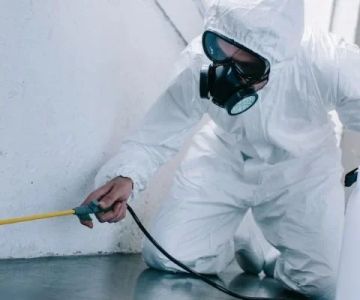
Opt for labeled non-toxic or low-residue solutions. Avoid aerosol sprays in open indoor environments and prioritize controlled application tools.
Step 3: Apply treatments in restricted-access areas
Always ensure that treatment zones are physically inaccessible to children. This may include behind appliances, inside sealed bait stations, or elevated surfaces.
Step 4: Ventilate and monitor post-application conditions
Even low-impact solutions require proper airflow. Keep treated areas ventilated and observe any changes in pest activity over the following days.
Step 5: Reinforce hygiene and prevention habits
Clean food spills quickly, seal containers, and maintain dry surfaces. Prevention is a critical part of kid friendly pest control solutions.
Real-Life Family Experiences With Safe Pest Management
Understanding theory is helpful, but real-world experiences show how these methods work in everyday life.
A Brooklyn apartment with recurring pest challenges
A young couple with a toddler struggled with silverfish in their bathroom. Instead of using harsh sprays, they switched to moisture control, sealed cracks, and placed natural deterrents. The infestation gradually disappeared without affecting the child’s environment.
Why many parents shift toward low-impact methods
Parents often report increased peace of mind when they reduce chemical exposure in shared spaces. This shift is not just about pest elimination but about long-term health awareness.
How PestControlHub supports informed decisions
Many families explore resources like PestControlHub to better understand safer pest control tools and strategies tailored for homes with children, especially when balancing effectiveness with safety concerns.
Avoiding Common Mistakes in Child-Safe Pest Control Practices
Even well-intentioned parents sometimes make mistakes that reduce the effectiveness of non toxic home treatment options.
Overusing natural products without strategy
Natural does not always mean effective when misapplied. Overuse of essential oils, for example, can create odor fatigue without solving the underlying pest issue.
Placing traps in accessible child zones
One of the most common mistakes is placing bait or traps where children can reach them. Even low-toxicity products should always remain out of reach.
Ignoring structural causes of infestations
Cracks, moisture, and food exposure are root causes. Without addressing these, even the safest treatments become temporary fixes.
Building Long-Term Safety in Homes With Children
Sustainable pest management is not a one-time action but an ongoing system that adapts to household needs.
Creating a preventive household routine
Weekly cleaning, sealing entry points, and monitoring pest activity are simple yet powerful habits that reduce dependency on treatments.
Teaching children safe environmental awareness
As children grow, teaching them not to leave food exposed or to report insects helps build long-term prevention habits.
Combining professional insight with home practices
Even low-impact strategies benefit from occasional professional assessment, ensuring that hidden infestations are addressed before they escalate.

 Aspenn Environmental Services NE LLC.4.0 (133 reviews)
 Terminix4.0 (39 reviews)
 Terminix4.0 (451 reviews)
 Palmetto Exterminators4.0 (82 reviews)
 Go-Forth Pest Control4.0 (697 reviews)
 Complete Pest Solutions of Canton4.0 (52 reviews)
 How to Deal With Pest Infestations in Condos
 Why Pest Control is Critical for Food Businesses: A Must-Have for Safety
 How to Control Pest Populations After a Natural Disaster: Effective Strategies
 How to Use Preventive Sprays Around Foundations: A Complete Guide for Homeowners
 How to Stop Rodents From Climbing Into Homes
 How to Use Low-Toxic Baits for Rodents: A Safer Way to Control Pests