
- condo-entry-points - how pests enter shared buildings
- apartment-risk-factors - humidity, neighbors, waste systems
- common-condo-pests - roaches, bed bugs, rodents, ants
- response-strategies - immediate actions and containment steps
- building-wide-control - coordination with management and neighbors
- real-case-study - urban condo infestation examples
- expert-insights - long-term pest prevention systems
Why Condo Pest Problems Spread Faster Than People Expect
Living in a condo offers convenience, security, and shared amenities, but it also creates one of the most overlooked challenges in urban living: pest infestations that move through shared walls, ceilings, and utility lines. Unlike single-family homes, condo pest control is rarely just about one unit. A problem in one apartment can quietly spread across an entire building before anyone realizes what is happening.
Understanding how to deal with pest infestations in condos requires more than surface-level treatment. It involves recognizing how building structure, human behavior, and environmental conditions interact to create pathways for pests like roaches, bed bugs, rodents, and ants.

How Pests Enter and Spread Through Condo Buildings
1. Hidden entry points inside shared infrastructure
Pests rarely enter through obvious openings. Instead, they move through plumbing lines, electrical conduits, ventilation systems, and wall gaps. These shared systems act like highways, allowing insects and rodents to travel between units without being detected.
In many apartment pest infestation cases, residents assume the issue is isolated. However, pest control professionals often find that the origin is several floors away, connected through pipe chases or maintenance shafts.

Bulldog Mosquito Defense
DawsonvilleDawson CountyGeorgia
243 E Stowers Rd Suite 100, Dawsonville, GA 30534, USA
2. Waste systems and food accessibility
Trash chutes, communal garbage rooms, and improperly sealed waste bins are major attraction points. Roaches and rodents thrive in environments where food waste accumulates. Once they establish a feeding zone, they expand outward into surrounding units.
This is especially common in dense urban housing where waste disposal systems are shared and not cleaned frequently enough.
3. Neighbor-to-neighbor transmission
Unlike standalone homes, condos create unavoidable proximity between residents. Bed bugs, for example, can travel through furniture walls or shared hallways. A single untreated unit can reinfest an entire floor.
This is why bed bug condo treatment almost always requires coordinated action rather than individual treatment efforts.
Most Common Pests Found in Condo Environments
Roaches in apartments and moisture-prone zones
Cockroaches are among the most persistent urban pests. They thrive in warm, humid environments like kitchens, bathrooms, and utility closets. Even small water leaks can sustain large colonies.
In shared buildings, roaches often move between units through wall cracks, especially at night when human activity is low.
Bed bugs spreading through close living spaces
Bed bugs are particularly challenging because they do not depend on sanitation levels. They spread through furniture, clothing, and luggage. Once introduced into a condo building, they can spread rapidly across multiple floors.
Residents often first notice bites or small blood spots on bedding, but by then the infestation is already established in multiple areas.
Rodents in vertical structures
Rodent control condos require understanding vertical movement. Rats and mice can climb pipes, squeeze through small openings, and travel between floors inside walls. They are especially active in basements and garbage rooms.
Once rodents find a consistent food source, they establish nesting zones that are difficult to eliminate without building-wide cooperation.
Ant colonies expanding through structural gaps
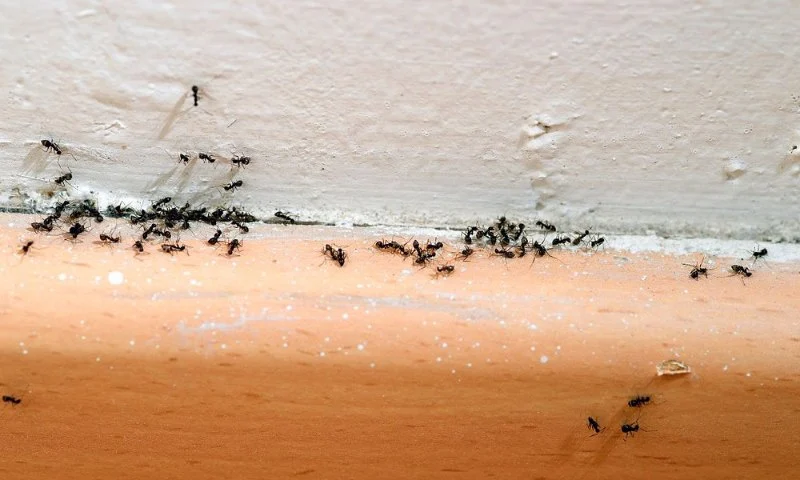
Ants are small but highly organized. They follow scent trails that lead from food sources to nests often located outside the unit. These trails can pass through concrete cracks, window frames, and electrical outlets.
Immediate Steps When You Detect a Condo Pest Problem
Isolating the affected area
The first step in pest control in condos is containment. Reducing movement of items between rooms or units helps prevent spread. For example, sealing contaminated bedding or storing food securely can limit expansion.
Documenting signs of infestation
Photos of droppings, bite marks, or visible pests help identify the type and severity of the issue. This documentation is critical when communicating with building management or pest professionals.
Reducing attractants immediately
Food crumbs, standing water, and clutter all contribute to pest survival. Even before professional treatment begins, removing these elements can significantly slow infestation growth.
Why Building-Wide Coordination Is Essential
One of the biggest mistakes in shared building pest management is treating units individually without coordination. Pests do not respect property boundaries, so isolated treatment often leads to temporary relief followed by reinfestation.
Effective strategies require communication between residents, property managers, and pest control professionals. When one unit is treated while adjacent ones are ignored, pests simply relocate instead of being eliminated.
This is especially important in high-density urban environments where infestations can spread vertically and horizontally within days.
Real Case: A Multi-Floor Roach Infestation in a City Condo
In a mid-sized urban condominium, residents on the fourth floor began noticing occasional roaches in their kitchens. Within weeks, similar reports came from the third and fifth floors. Initial treatments were performed independently by residents, but the problem continued.
After a full inspection, pest control experts discovered that the infestation originated in a poorly maintained trash chute system on the second floor. From there, roaches spread through wall voids and plumbing lines.
Once the building implemented coordinated cleaning, sealed structural gaps, and synchronized treatment across all affected units, pest activity dropped dramatically within one month.
This case highlights a key principle: in condo environments, isolated treatment rarely solves systemic problems.
Expert Strategies for Long-Term Condo Pest Prevention
Structural sealing and maintenance routines
Sealing cracks, maintaining plumbing integrity, and repairing ventilation gaps are foundational steps. Even small openings can become entry points for pests.
Regular sanitation in shared spaces
Hallways, garbage rooms, and laundry areas must be cleaned consistently. These spaces often serve as the first point of attraction for pests entering a building.
Resident awareness and reporting systems
Encouraging residents to report early signs of pests helps prevent escalation. Early detection is one of the most effective tools in urban pest prevention.
Integrated pest management approaches
Professionals at PestControlHub often recommend combining environmental changes, targeted treatments, and ongoing monitoring rather than relying on chemical solutions alone.
This integrated approach ensures that pest populations are not only eliminated but also prevented from returning.
Why Condo Pest Control Requires a Mindset Shift
Dealing with pest infestations in condos is not just a maintenance issue—it is a systems problem. Each unit is part of a larger ecosystem where pests can move freely unless barriers are intentionally created.
Understanding this interconnected structure is the key to effective long-term control. Once residents and building managers adopt a cooperative approach, pest problems become far more manageable and less recurring.


 American Pest Solutions4.0 (1483 reviews)
 Ehrlich Pest Control4.0 (1329 reviews)
 Amherst Exterminators1.0 (1 reviews)
 First Solutions Pest & Home Services4.0 (36 reviews)
 Quit Bugging Me Pest Control LLC0.0 (0 reviews)
 Bug Busters Pest Control Services4.0 (288 reviews)
 How to Choose Between Different Pest Control Methods: A Complete Guide
 How to Prevent Bird-Related Pest Issues in Homes and Buildings
 How to Stop Flies From Multiplying Indoors: Effective Control Tips
 How to Evaluate Professional Pest Control Certifications
 How to Keep Crawlspaces Dry and Pest-Free
 How to Deal With Pest Infestations in Condos