
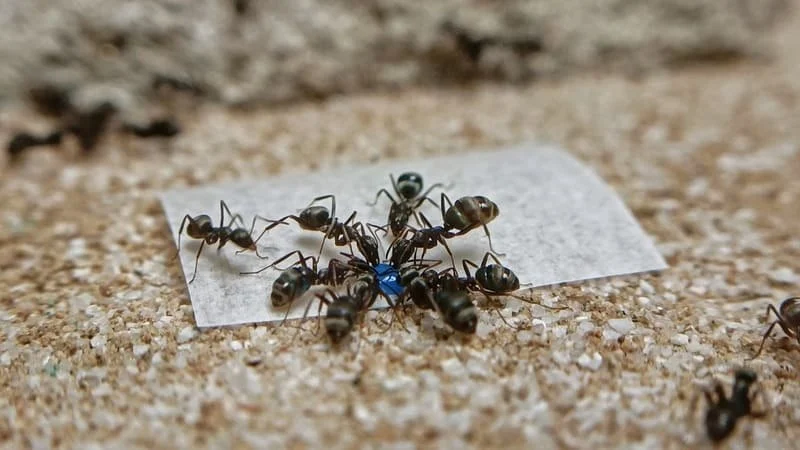
- understanding-ant-behavior-bait-vs-spray-basics-how-ants-actually-respond-to-treatment - learning colony structure - worker ants vs queen targeting - why surface killing fails
- choosing-bait-for-ants-deep-colony-elimination-strategy-long-term-control - how bait works - slow-acting poison logic - indoor placement strategy
- choosing-spray-for-ants-fast-visibility-control-immediate-relief-situations - contact kill sprays - barrier treatments - emergency infestations
- real-home-scenarios-when-bait-or-spray-works-better-practical-case-studies - kitchen infestations - seasonal ant invasions - apartment vs house differences
- common-mistakes-ant-control-methods-why-most-people-fail-at-first-attempt - over-spraying problems - bait contamination - ignoring entry points
- expert-combination-strategy-using-both-methods-effectively-without-conflict - layered pest control - timing spray and bait correctly
- when-to-call-professional-pest-control-signs-your-ant-problem-is-beyond-diy-solutions - recurring infestations - structural nests - commercial-grade solutions
How to Choose Between Bait and Spray for Ants: A Practical Homeowner’s Guide
Dealing with ants inside a home often feels like a never-ending cycle—one day the counters are clean, and the next, a trail appears like it was drawn overnight. The real challenge isn’t just killing ants; it’s choosing the right method that actually solves the root problem. That’s where the debate between bait and spray becomes important in modern ant control methods.
Most homeowners instinctively reach for spray because it feels immediate and satisfying. You see ants, you spray, they disappear. But what seems like success on the surface can sometimes hide a deeper issue: the colony is still thriving somewhere nearby. Understanding the difference between bait vs spray for ants is the key to long-term control instead of temporary relief.

Suburban Wildlife Solutions LLC
PortlandLower Connecticut River Valley Planning RegionConnecticut
146 S Rd, Portland, CT 06480, USA
Understanding How Ants Actually Work Inside Your Home
The hidden structure behind every ant trail
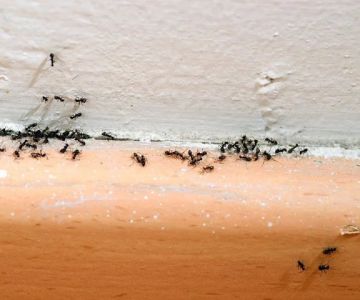
Ants are not random invaders. They operate like a highly organized system. What you see crawling across your kitchen counter is only a small fraction of a much larger colony that may include thousands of individuals and a queen hidden deep in walls, soil, or foundations.
Worker ants are the ones you see. Their job is to find food and bring it back. This is why ant control strategies that only kill visible ants rarely solve the problem. The colony simply replaces them.

Why surface treatments alone often fail
Spraying kills what you see but does not affect what you don’t. If the queen remains alive, reproduction continues. This is why infestations often return days or weeks later, even after aggressive spraying.
Choosing Ant Bait: Slow, Strategic, and Colony-Focused Control
How bait actually works inside the colony
Bait is designed to be carried back to the nest. Instead of killing instantly, it works slowly, allowing worker ants to distribute it among others, including the queen. This is the core advantage of bait vs spray for ants when long-term elimination is the goal.
The delayed effect is intentional. It ensures that the poison is shared before ants realize something is wrong. Over time, this disrupts the entire colony from within.
When bait becomes the smartest choice
Bait is especially effective when ants are consistently appearing in predictable patterns. Kitchens, pantry areas, and bathroom sinks are common hotspots. If you notice ants returning to the same location repeatedly, bait is usually the more effective strategy.
Many homeowners using guidance from PestControlHub often discover that switching from spray-only approaches to bait-based systems significantly reduces recurring infestations within days to weeks.
A real-world scenario: the persistent kitchen trail
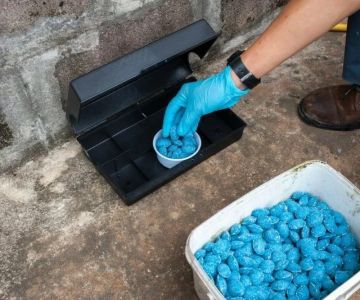
A homeowner in Texas reported constant ant trails near a coffee machine every morning. Sprays eliminated ants temporarily, but they returned daily. After switching to bait stations placed near entry points and food sources, the ants disappeared within a week because the colony itself was eliminated—not just the surface activity.
Choosing Ant Spray: Fast Relief and Visible Control
How sprays deliver immediate results
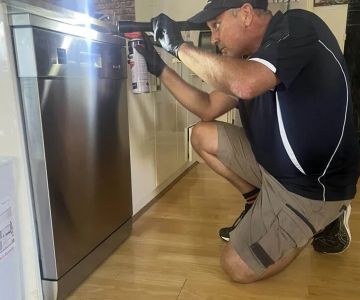
Sprays are contact-based solutions that kill ants on impact. This makes them ideal for urgent situations where ants are actively spreading across visible surfaces. If bait is about strategy, spray is about speed.
When spray is the right decision
Spray is most useful in situations where immediate disruption is needed, such as when ants are invading during a gathering or spreading quickly through a visible path. It also works as a temporary barrier around windows, doors, and baseboards.
However, relying only on spray often leads to repeated infestations, especially if entry points are not addressed.
A cautionary example from apartment living
In a New York apartment complex, tenants frequently used sprays to control sugar ants. While each unit managed short-term relief, ants continued to spread between units through wall gaps. The underlying colony structure remained untouched, showing the limitation of spray-only approaches.
Common Mistakes Homeowners Make When Choosing Between Bait and Spray
Using spray too early and ruining bait effectiveness
One of the most common mistakes is spraying areas where bait has been placed. This can repel ants before they bring bait back to the colony, making the treatment ineffective.
Ignoring entry points and environmental triggers
Ants don’t appear randomly. They follow scent trails and environmental cues like moisture and food residue. Cleaning and sealing entry points is just as important as choosing the right product.
Expecting instant results from bait
Bait requires patience. Many homeowners abandon it too early because they expect immediate results like spray provides. In reality, colony elimination takes time but produces more permanent results.
Combining Bait and Spray for Smarter Ant Control
Using both methods without conflict
There is a strategic way to use both bait and spray together. Spray should be used for immediate control of visible ants, while bait should be placed away from sprayed zones to ensure colony targeting remains effective.
The key is timing. Spray first if necessary for urgent situations, then introduce bait once activity stabilizes.
Layered pest control strategy
A balanced approach includes:
1. Immediate spray use for visible infestations
2. Strategic bait placement for colony elimination
3. Environmental cleanup to remove attractants
4. Monitoring activity patterns over several days
This combination is often recommended in advanced pest management discussions found through PestControlHub, especially for recurring infestations in suburban homes.
When Professional Help Becomes Necessary
Signs the infestation is beyond DIY control
If ants continue returning despite consistent bait and spray use, the issue may involve hidden nesting inside walls or structural damage areas. In such cases, professional pest control becomes the most effective solution.
Why recurring infestations should not be ignored
Repeated ant activity often signals a larger colony nearby or multiple colonies interacting. Ignoring it can lead to long-term household disruption and food contamination risks.
Professional insight vs DIY approaches
Experts often use a combination of baiting systems, residual treatments, and inspection tools that are not available in standard home products. This allows them to identify nest locations and eliminate colonies more efficiently.
For homeowners who want to explore stronger, more targeted solutions, PestControlHub provides access to advanced treatment options and guidance tailored to specific infestation types.
Final Practical Insight for Homeowners
Choosing between bait and spray is not about which one is universally better—it’s about understanding the situation in your home. Spray gives speed, bait gives long-term control. When used correctly, they are not competitors but complementary tools in effective ant control methods.
The most successful homeowners are not those who react the fastest, but those who understand how ants think and behave. Once that shift happens, controlling infestations becomes far more predictable and less frustrating.


 McCoy Exterminating,Inc.4.0 (9 reviews)
 Aggregate Home Services LLC5.0 (2 reviews)
 Enlow Pest Control4.0 (192 reviews)
 Nick's Pest Control LLC4.0 (14 reviews)
 Allan’s Of Central Kentucky Termite & Pest Control Co.3.0 (8 reviews)
 Victory Wildlife and Pest Removal4.0 (61 reviews)
 How to Use Preventative Barriers Early for Effective Pest Control
 Best Practices for Keeping Pests Out of Storage and Garages
 How to Deal With Pest Infestations in Vacant Homes: A Practical Guide
 How to Choose Pest Control Based on Region
 How to Keep Wasps Away From Outdoor Seating
 How to Monitor Pest Return After Rainy Seasons