
How to Keep Your Yard Free from Pests Without Harsh Chemicals in a Natural Way
- yard-ecosystem-balance - understanding how pests interact with outdoor environments
- soil-and-plant-health-control - strengthening natural resistance in your yard
- natural-repellent-strategies - using plants and organic methods effectively
- moisture-and-debris-management - removing what attracts pests outdoors
- long-term-eco-prevention - maintaining a chemical-free pest barrier
Creating a healthy outdoor space that is both beautiful and pest-free does not require heavy chemical treatments. In fact, many homeowners in the United States are now shifting toward eco-friendly methods because they are safer for families, pets, and the surrounding environment. Understanding how to keep your yard free from pests starts with learning how nature already controls pest populations when the ecosystem is balanced.
One homeowner in Florida once shared how their backyard used to attract mosquitoes and ants every summer. After switching to natural pest control methods—improving drainage, planting native herbs, and reducing standing water—the pest problem gradually disappeared without a single chemical spray. This kind of transformation is becoming increasingly common as people seek sustainable outdoor living solutions.
Understanding Why Pests Are Attracted to Your Yard
Moisture is the number one pest magnet
Most outdoor pests are drawn to moisture. Standing water in flower pots, clogged gutters, or overwatered lawns create ideal breeding environments for insects like mosquitoes and gnats. Rodents are also attracted to water sources during dry periods.
In suburban neighborhoods, even small overlooked areas such as bird baths or leaky hoses can become long-term pest breeding zones if not properly managed.
Food sources and organic debris buildup
Fallen fruit, pet food left outdoors, and decomposing leaves all serve as easy food sources for pests. Without regular cleanup, these materials create a continuous food chain that supports insects, rodents, and other unwanted visitors.
This is why yard maintenance plays such a critical role in chemical free pest control—it removes the foundation that pests rely on.
Strengthening Your Yard’s Natural Resistance
Healthy soil as the foundation of pest prevention
Strong plants naturally resist pests better than weak ones. Healthy soil rich in organic matter supports robust plant growth, making it harder for insects to damage vegetation.
Instead of relying on synthetic fertilizers, compost and natural soil amendments encourage beneficial microorganisms that help protect plant roots from harmful pests.
Choosing pest-resistant native plants
Native plants are adapted to local climates and pests, meaning they require less intervention. Lavender, marigold, rosemary, and other aromatic plants naturally deter insects while adding beauty to the yard.
Many landscaping experts featured in PestControlHub recommend mixing flowering plants with herbs to create a layered defense system that is both functional and visually appealing.
Natural Repellent Strategies That Actually Work
Plant-based pest deterrents
Certain plants release natural compounds that repel insects. For example, citronella is widely known for its mosquito-repelling properties, while mint helps deter ants and spiders.
When strategically placed around patios and entry points, these plants form a living barrier that reduces pest activity without chemical sprays.
Essential oils and organic sprays
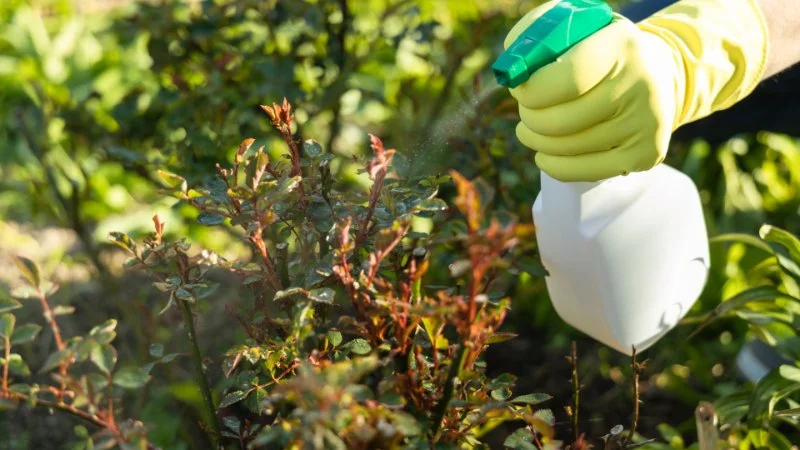
Natural sprays made from essential oils like eucalyptus, tea tree, or neem can be used as occasional treatments for high-risk areas. Unlike synthetic pesticides, these solutions break down quickly and do not harm beneficial insects when used correctly.
A homeowner in Arizona reported reducing spider activity significantly by using a weekly neem oil spray around outdoor seating areas during peak summer months.
Managing Yard Conditions That Attract Pests
Eliminating standing water and damp zones
Water management is one of the most important steps in outdoor pest prevention. Ensuring proper drainage prevents mosquitoes and other insects from breeding.
Even small improvements like leveling soil or adjusting irrigation schedules can dramatically reduce pest populations over time.
Keeping organic waste under control
Compost piles, leaf litter, and grass clippings should be managed carefully. While compost is beneficial, unmanaged piles can become breeding grounds for pests if not turned regularly.
Routine yard cleanup is one of the simplest yet most effective forms of eco friendly pest control.
Real Case Study: A Chemical-Free Backyard Transformation
In California, a family struggling with recurring ant invasions decided to shift away from chemical treatments. Instead, they redesigned their yard using natural pest control principles: improved drainage, planted mint and lavender borders, and installed gravel pathways to reduce moisture retention.
Within two months, pest activity dropped significantly. By the end of the season, the yard had become a balanced outdoor space where insects were present but no longer problematic.
This case shows that long-term pest control is not about elimination—it is about balance.
Long-Term Strategies for a Naturally Protected Yard
Encouraging beneficial insects
Not all insects are harmful. Ladybugs, bees, and praying mantises help control pest populations naturally. Creating habitats for these species supports a self-regulating ecosystem.
Wildflower patches and herb gardens are excellent ways to attract beneficial insects that reduce the need for intervention.
Seasonal maintenance habits that prevent infestations
Each season brings different pest challenges. Spring often brings ants, summer increases mosquitoes, and fall can attract rodents looking for shelter. Adjusting yard maintenance routines accordingly helps prevent infestations before they start.
Simple seasonal inspections of irrigation systems, plant health, and debris buildup can make a major difference in long-term pest control success.
Building a Sustainable Pest-Free Outdoor Environment
Learning how to keep your yard free from pests is not about aggressive elimination—it is about creating conditions where pests are no longer encouraged to stay. When soil, plants, moisture levels, and natural predators are balanced, the yard becomes self-regulating.
For homeowners looking to explore eco-friendly pest control products and professional guidance, PestControlHub offers practical resources designed to support chemical-free outdoor living strategies tailored to different climates and yard types.
A healthy yard is not just pest-free—it is alive, balanced, and sustainable.


 CT Pest Solutions5.0 (543 reviews)
 Insight Pest Solutions4.0 (724 reviews)
 7 Hills Exterminating Co4.0 (11 reviews)
 Orkin4.0 (1012 reviews)
 Amco Pest Services, Inc.3.0 (3 reviews)
 Seitz Bros.4.0 (13 reviews)
 What Happens During a Professional Pest Control Visit: A Complete Guide
 How to Inspect for Pests Around Plumbing Lines: A Step-by-Step Guide
 How to Repair Structural Damage Caused by Pests
 How to Effectively Use Exclusion Methods for Pests
 Why Pest Control is Critical for Food Businesses: A Must-Have for Safety
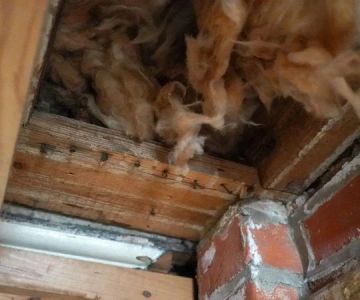
 How to Spot Pest Damage in Attic Insulation