

- spring-prevention-strategies - Early seasonal pest control planning for outdoor spaces
- summer-landscape-protection - Managing heat-driven infestations and moisture issues
- fall-preparation-methods - Reducing overwintering pest habitats in your yard
- winter-maintenance-strategies - Protecting soil, plants, and structures during cold months
- eco-friendly-control-solutions - Natural methods for long-term pest balance in landscapes
Building a Year-Round Pest-Free Outdoor Environment
Maintaining a healthy outdoor space is not just about mowing the lawn or planting seasonal flowers. In many U.S. neighborhoods, homeowners quietly struggle with insects, rodents, and soil pests that return every year no matter how often they treat them. The real solution is not reaction—it is consistent prevention built into every season of your landscape care routine.
Professionals in outdoor maintenance often emphasize that pest issues begin long before they are visible. Moist soil, overgrown vegetation, and poorly managed debris create ideal conditions for infestations. Once pests establish themselves, removal becomes significantly more difficult and costly.

Spring: The Season of Early Intervention
Understanding Pest Awakening Patterns
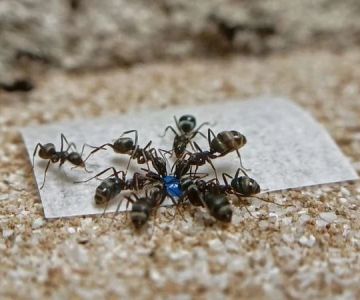
As temperatures rise, many insects and soil-dwelling pests emerge from dormancy. Ant colonies expand rapidly, aphids begin feeding on new plant growth, and grubs become active beneath lawns. This is the most critical time to interrupt their life cycle before populations explode.
Homeowners who practice proactive outdoor pest prevention often see dramatically fewer infestations during summer. The key lies in early inspection of soil beds, irrigation systems, and plant health.
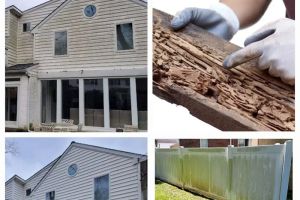
Aggregate Home Services LLC
LevittownBucks CountyPennsylvania
54 Orangewood Dr, Levittown, PA 19057, USA
Practical Spring Maintenance Strategy
Start by clearing organic debris such as dead leaves and decomposing mulch layers. Replace overly damp mulch with fresh, breathable material to discourage insect breeding. Adjust irrigation schedules to avoid water pooling, which attracts mosquitoes and fungus gnats.
Many landscape professionals also recommend introducing beneficial insects like ladybugs or lacewings, which naturally reduce aphid populations without chemical intervention.
Summer: Managing Heat-Driven Pest Activity
Why Heat Intensifies Infestations
During summer, pests become more aggressive due to rapid reproduction cycles and increased food demand. Warm soil accelerates larval development, while humidity creates breeding grounds for mosquitoes and termites.
In suburban communities across the U.S., summer is often when homeowners first notice visible infestations. Gardens, patios, and shaded lawn areas become hotspots for pest activity.
Landscape Protection Techniques
One effective approach is strategic trimming. Overgrown shrubs and dense vegetation trap moisture and create shaded pest shelters. Regular pruning improves airflow and reduces habitat suitability.
Another key strategy is sealing outdoor water sources. Birdbaths, gutters, and decorative fountains should be cleaned regularly to prevent mosquito breeding cycles.
For homeowners seeking more structured solutions, PestControlHub offers access to tailored pest management tools and landscape protection resources designed for long-term outdoor health.
Fall: Breaking the Overwintering Cycle
How Pests Prepare for Winter
In autumn, pests actively search for warm, protected environments to survive colder months. This is when they infiltrate soil layers, wood piles, and structural gaps around homes.
Rodents, beetles, and spiders are particularly active during this transition period. If your yard provides shelter, they will settle in before winter begins.
Preventive Fall Landscaping Habits
Remove excess leaves and compost piles that can trap moisture. Store firewood away from exterior walls to prevent rodent nesting. Inspect fences and garden structures for cracks or openings that could serve as entry points.
Many professional landscapers recommend a deep soil turnover before winter. This disrupts underground pest habitats and exposes larvae to natural predators and cold air exposure.
Winter: Silent Protection and Structural Defense
Hidden Pest Risks in Cold Weather
Even though outdoor activity appears reduced in winter, pests are still active beneath the surface or inside sheltered structures. Rodents often migrate closer to homes, while soil pests remain dormant but alive under insulation layers of mulch and snow.
Essential Winter Maintenance Practices
Inspect drainage systems to ensure water is not freezing and creating hidden breeding pockets. Reinforce outdoor structures such as sheds, decking, and garden beds to block rodent access.
It is also important to maintain a minimal level of soil disturbance. Overly compacted soil can trap moisture and create ideal conditions for spring re-emergence of pests.
Eco-Friendly Approaches for Long-Term Balance
Why Chemical-Free Methods Are Gaining Popularity
Across the U.S., homeowners are increasingly shifting toward eco-friendly pest control methods. This is not only due to environmental concerns but also because sustainable methods tend to provide longer-lasting balance rather than temporary suppression.
Natural pest deterrents such as neem oil, diatomaceous earth, and companion planting are widely used in modern landscaping. These methods target pest behavior rather than simply eliminating visible insects.
Building a Self-Regulating Landscape
A healthy landscape is one that maintains its own ecological balance. By encouraging biodiversity—birds, beneficial insects, and native plants—you reduce the likelihood of pest dominance.
This approach transforms pest management from a reactive chore into a stable, self-sustaining system.
Real-World Case: A Suburban Yard Transformation
A homeowner in Texas once struggled with recurring ant infestations and lawn damage every summer. Traditional chemical treatments provided only short-term relief. After adopting a seasonal pest prevention plan—including improved drainage, plant rotation, and organic soil treatment—the yard remained pest-free for over a year.
This case highlights a critical insight: consistency matters more than intensity. Small seasonal adjustments often outperform aggressive one-time treatments.
Practical Mindset for Long-Term Outdoor Protection
The most successful homeowners treat their landscape as an evolving system rather than a static space. Every season plays a role in shaping pest behavior and environmental balance.
By observing patterns, adjusting maintenance routines, and using integrated strategies, it becomes significantly easier to maintain pest-free outdoor spaces without constant intervention.
For those looking to deepen their knowledge or access structured guidance and tools, PestControlHub provides additional resources designed to support long-term pest management success in residential landscapes.
 Above & Beyond Bed bug removal4.0 (88 reviews)
 Orkin4.0 (213 reviews)
 Zander Pest Control4.0 (50 reviews)
 Greenix Pest Control4.0 (397 reviews)
 Home Paramount Pest Control4.0 (159 reviews)
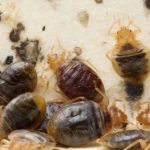 Cummings Pest Solutions5.0 (19 reviews)
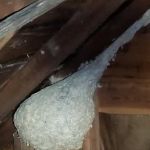
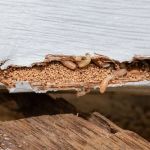 How to Address Pest Infestation in Attic Spaces: A Complete Guide
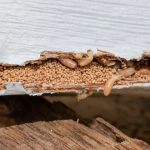 How to Detect Termites Under Slab Foundations: A Comprehensive Guide
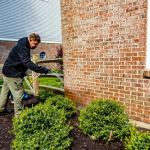 How to Monitor Pest Flows in Perimeter Areas
 Termite Inspection: Key Areas Most Homeowners Miss During Their Inspection
 How to Prevent Pest Spread via Air Vents
 How to Seal Gaps at Roof Eaves to Block Pests