
- travel-risk-awareness - understanding how pests spread during trips
- hotel-room-inspection-habits - checking accommodations before settling in
- luggage-protection-strategies - keeping belongings pest-free
- home-return-prevention - avoiding bringing pests back after travel
- real-travel-infestation-story - a traveler’s unexpected hotel experience
Understanding Why Travel Increases Pest Exposure Risks
Travel is one of the most common ways pests spread between environments. Hotels, airports, public transportation, and even vacation rentals create high turnover spaces where insects like bed bugs, fleas, and cockroaches can easily move from one place to another.
When you focus on pest prevention travel, the goal is not to avoid travel altogether but to reduce exposure and eliminate the conditions that allow pests to attach to luggage, clothing, or personal belongings.
Many travelers assume pests are only found in low-quality accommodations, but in reality, even luxury hotels can experience occasional infestations due to constant guest turnover.

Before You Arrive: Smart Preparation That Makes a Difference
Choosing Accommodation with Awareness
One of the first steps in prevent pest infestations while traveling is selecting accommodations with good hygiene practices. Reviews often reveal recurring complaints about cleanliness or pest sightings, which should not be ignored.
Frequent travelers often develop a habit of scanning recent guest feedback specifically for mentions of insects or unusual room conditions. This simple habit reduces risk significantly before even booking a stay.
Packing with Protection in Mind
A strong luggage protection strategy begins at home. Hard-shell suitcases are generally safer than fabric bags because they provide fewer hiding spaces for pests.
Packing cubes also help reduce exposed fabric surfaces, making it harder for insects to settle unnoticed during transit.
Hotel Room Inspection Habits That Reduce Risk Immediately
Where to Look First When Entering a Room
The most important hotel room inspection checklist begins the moment you enter the room. Before placing any luggage on beds or furniture, a quick visual inspection can prevent unwanted exposure.
Key areas include mattress seams, headboards, upholstered chairs, and behind curtains. Bed bugs, in particular, tend to hide in dark, narrow spaces close to sleeping areas.
Simple Techniques for Early Detection
Pull back bed sheets slightly and inspect seams for dark spots or small insect activity. Check behind the headboard if possible, as this is a common hiding spot that is often overlooked by housekeeping routines.
A traveler once shared a story from a mid-range hotel in Chicago where early inspection revealed tiny rust-colored spots on the mattress edge. Because they noticed this early, they were able to request a room change immediately, avoiding a much larger issue later in their trip.
Protecting Your Belongings During Your Stay
Elevating and Isolating Luggage
One of the most effective travel pest control tips is keeping luggage off the floor and bed. Instead, use luggage racks or hard surfaces away from walls and upholstery.
This reduces the chance of pests crawling into bags unnoticed. Many experienced travelers even keep suitcases zipped tightly when not in use.
Using Protective Barriers and Packing Layers
Inner liners, sealed plastic bags, and laundry separation systems can act as barriers against contamination. These methods are especially useful in longer trips where clothing is repeatedly used and stored.
Clothing that is less frequently used should remain sealed to reduce exposure risk.
A Real Travel Story: The Unexpected Bed Bug Encounter
A family traveling through the East Coast once experienced a common but avoidable situation. After checking into a well-reviewed hotel, they placed their luggage directly on the beds while unpacking. At first, everything seemed normal.
Two days later, small bites appeared on their arms and legs. After reporting the issue, the hotel confirmed a localized bed bug problem in the room. Unfortunately, some clothing items had already been affected.
What made this situation worse was not the presence of pests itself, but the lack of early inspection and luggage protection. This experience highlights why awareness and preventive habits matter more than hotel ratings alone.
Returning Home Without Bringing Problems Back
Immediate Steps After Travel
Once the trip ends, home return prevention becomes the final and most critical step. Before bringing luggage inside, many travelers now unpack in garages or laundry areas to minimize risk.
Clothing should be washed at high temperatures immediately after returning. Even items not worn during the trip should be cleaned, as pests can still transfer indirectly.
Inspecting and Isolating Luggage
Suitcases should be thoroughly checked before storage. Vacuuming luggage seams or using handheld cleaning devices can help eliminate any hidden hitchhikers.
Some travelers store luggage in sealed containers when not in use, adding another layer of protection for future trips.
Why Awareness Is More Powerful Than Reaction
Most pest-related travel issues are not caused by negligence alone but by lack of awareness. Once travelers understand how easily pests move through shared environments, they naturally adopt safer habits.
The goal of travel pest prevention is not fear—it is preparedness. A few small actions taken at the right time can prevent weeks of frustration later.
For travelers looking to strengthen their protective routines, additional pest-control guidance and preventive tools are available through PestControlHub, offering practical resources designed specifically for frequent travel situations.
Building Long-Term Travel Safety Habits
Over time, experienced travelers develop a consistent routine: inspect rooms quickly, isolate luggage, and clean everything after returning home. These habits become second nature and significantly reduce exposure risk.
The key takeaway is simple—pests are opportunistic, but preparation removes opportunity. With the right approach, travel remains enjoyable, safe, and stress-free.

 Go-Forth Pest Control4.0 (372 reviews)
 Highland Eco Pest Control4.0 (434 reviews)
 Gibson Pest Control4.0 (417 reviews)
 Yes Pest Pros, Inc.4.0 (19 reviews)
 Western Pest Services4.0 (852 reviews)
 Go-Forth Pest Control4.0 (1680 reviews)
 How to Stop Fruit Flies from Taking Over Your Kitchen
 How to Keep Crawlspaces Dry and Pest-Resistant for a Healthy Home
 How to Stop Rodents From Climbing Into Homes
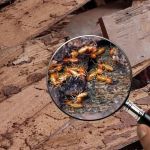 How to Prevent Pest Infestations in Flower Beds: Expert Tips for Healthy Gardens
 How to Deal With Pest Infestations Near Water Features
 How to Seal Entry Points in Foundation Cracks – Essential Guide