
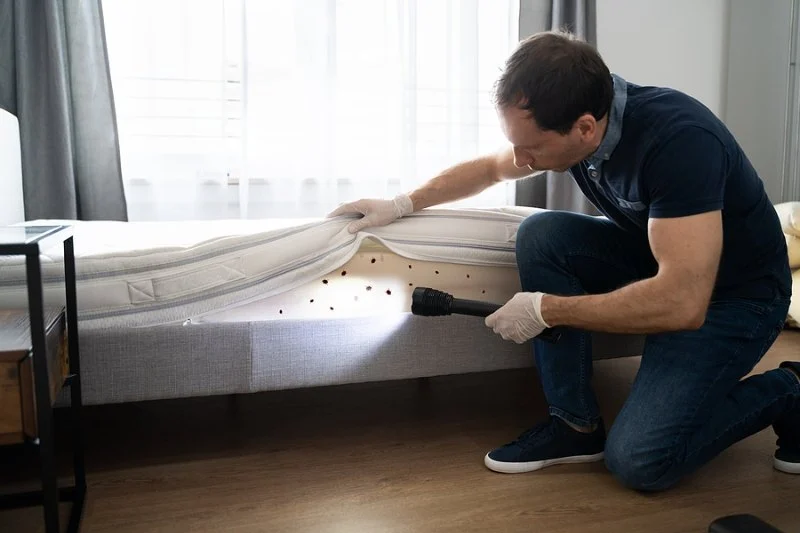
- Building-Structure-Shared-Risk-Understanding-Pest-Movement-in-Multi-Unit-Homes
- Common-Pest-Pathways-Vents-Pipes-and-Walls-How-Infestations-Spread
- Tenant-Behavior-and-Prevention-Habits-That-Reduce-Risk-Across-Units
- Landlord-and-Property-Management-Strategies-for-Long-Term-Pest-Control
- Real-World-Scenarios-and-Practical-Lessons-from-Urban-Housing-Infestations
Why Pest Spread Happens So Easily in Multi-Unit Housing
Multi-unit buildings—apartments, condos, townhomes, and shared housing complexes—create one unavoidable reality: everything is connected. Even when residents never meet, their walls, ceilings, plumbing lines, and ventilation systems often are physically linked. That shared infrastructure is exactly what makes pest prevention in multi-unit homes more complex than in standalone houses.
A single unnoticed infestation in one unit can quietly expand into neighboring spaces within days or weeks. Cockroaches follow heat and moisture. Ants trace invisible scent highways through electrical voids. Rodents travel along pipe chases like hidden hallways. Once they find a pathway, they rarely stop at just one apartment.
One property manager in Chicago described a case where a single leaking dishwasher line in a second-floor unit led to a full-building roach issue within two months. The moisture attracted pests, the wall voids gave them access, and the shared trash room provided food sources. This is not unusual—it’s the rule, not the exception, in dense housing environments.
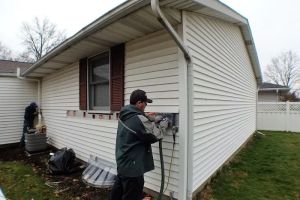
Home Environment Solutions
WeirtonHancock CountyWest Virginia
3200 Pennsylvania Ave, Weirton, WV 26062, USA
Hidden Pest Pathways Inside Shared Buildings
Wall Voids and Electrical Channels
Inside nearly every multi-unit structure are hollow spaces behind drywall where wiring and pipes run. These act like underground tunnels for pests. Cockroaches especially thrive here because it offers darkness, warmth, and protection from human activity.

The Mindful Beekeeper LLC - Wasp Removal, Bee Relocation, & Honey Farm
12860 W Township Rd 114, Fostoria, OH 44830, USA
Plumbing and Drain Connections
Drain systems are one of the most overlooked highways for pest movement. Floor drains, sink pipes, and shared sewer lines can allow insects to move between units unnoticed. Without proper traps and sealing, pests can travel vertically and horizontally with ease.
Ventilation and HVAC Systems
Air ducts don’t just circulate air—they can also carry lightweight pests, eggs, and debris. If filters are not changed regularly, ventilation systems can unintentionally spread contamination from one unit to another.
Entry Gaps Around Doors and Windows
Even small cracks around door frames or utility access points can become entryways. In older buildings, these gaps widen over time, making it easier for pests to move freely between interior and exterior environments.
How Tenant Habits Influence Pest Spread Across Units
Even in well-maintained buildings, human behavior plays a major role in pest control outcomes. In multi-unit homes, one resident’s habits can directly affect their neighbors.
Food Storage and Waste Management
Improperly sealed food containers, overflowing trash bins, or delayed garbage disposal creates strong attractants. Once pests locate food in one apartment, they rarely stay confined.
Clutter and Storage Conditions
Cluttered spaces provide hiding spots. Cardboard boxes, unused furniture, and storage piles become nesting environments for insects and rodents, especially in low-light areas like closets and basements.
Water and Moisture Issues
Leaky faucets, condensation under sinks, and unreported plumbing issues increase humidity levels. Moist environments are especially attractive to cockroaches and silverfish.
A tenant in a Toronto apartment once reported “random bugs” in their kitchen for months. Eventually, inspection revealed that the unit next door had a constantly leaking refrigerator line. The moisture traveled through shared wall spaces, creating a hidden infestation corridor.
Property Management Strategies That Actually Work
Routine Inspection and Early Detection
Consistent inspections are the most effective defense. Early detection prevents isolated issues from becoming building-wide infestations. Maintenance teams should focus on kitchens, bathrooms, and utility rooms first.
Sealing Entry Points Professionally
Using proper sealants around pipe entries, baseboards, and electrical outlets significantly reduces pest migration. This is not a one-time task—it requires ongoing maintenance as buildings settle and materials shift.
Coordinated Building-Wide Treatment
Treating only one unit is rarely effective. Coordinated pest control across multiple units ensures pests cannot simply relocate to untreated areas and return later.
Waste and Exterior Management
Outdoor dumpsters, shared hallways, and garbage rooms must be maintained carefully. Overflowing trash areas act as primary attraction points for rodents and insects.
Many property managers now rely on structured prevention systems like those recommended by PestControlHub, which focuses on coordinated building-wide pest management strategies instead of isolated treatments.
Real Case Study: How One Building Contained a Rapid Infestation
In a mid-sized residential complex in New Jersey, residents began noticing cockroaches appearing in upper-floor kitchens. At first, it seemed like isolated incidents. Within three weeks, reports increased from two units to nine.
The building manager initially attempted single-unit treatments, but pests continued migrating. The turning point came when maintenance teams discovered a shared plumbing chase behind stacked bathrooms. A small leak had created moisture inside the wall structure, acting as a breeding zone.
Once the source was sealed and coordinated treatment was applied across all affected floors, the infestation gradually collapsed. The key lesson was simple: ignoring shared infrastructure allows pests to operate like an underground network.
Long-Term Prevention Mindset for Multi-Unit Living
Consistency Over Reaction
Waiting for visible pests is already too late. Prevention must be continuous, not reactive.
Communication Between Residents and Management
Encouraging tenants to report leaks, sightings, and maintenance issues quickly can stop small problems from becoming building-wide events.
Structural Awareness of the Building
Understanding how the building is physically connected helps predict how pests might move before they become visible.
Maintenance Scheduling as a Preventive Tool
Regular plumbing checks, ventilation cleaning, and sealing updates are not optional—they are essential defenses in shared living environments.

 TFALLS PEST CONTROL, LLC4.0 (9 reviews)
 Budget Pest Control Inc.4.0 (38 reviews)
 Moxie Pest Control4.0 (2352 reviews)
 Hoffman's Exterminating4.0 (65 reviews)
 The Bug Masters4.0 (14 reviews)
 Accelerated Mitigation5.0 (43 reviews)
 How to Clean Surfaces After Pest Treatments – A Complete Guide
 How to Read a Pest Control Contract: Don’t Get Trapped
 How to Deal With Pest Infestations Near Water Features
 How to Control Termites Without Fumigation: Effective Methods for Homeowners
 How to Seal Entry Points in Foundation Cracks - A Complete Guide
 Termite Inspection: Key Areas Most Homeowners Miss