
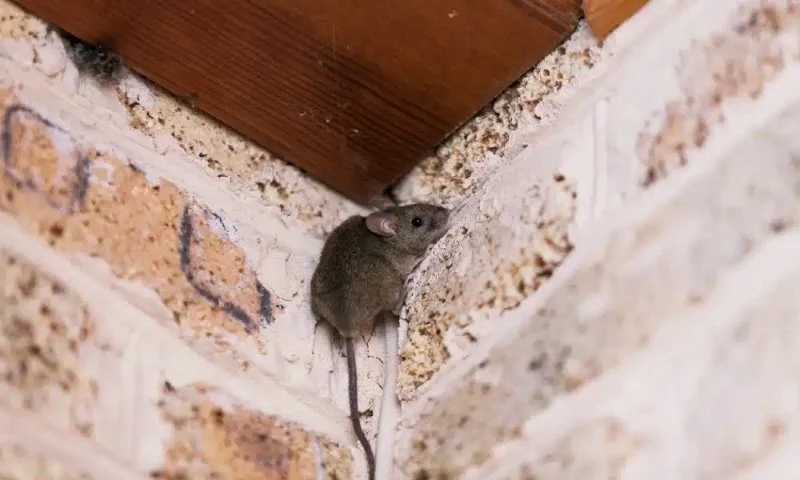
- detecting-rodents-in-crawl-space - early warning signs and noises
- removing-rodents-safely - traps sanitation and entry control
- sealing-entry-points - long term prevention methods
- real-home-case-study - suburban crawl space infestation example
- maintenance-strategies - keeping rodents away year round
Understanding How Rodents Quietly Take Over Crawl Spaces
A crawl space is one of those parts of a home most people ignore until something goes wrong. Unfortunately, rodents rely on that neglect. When thinking about how to deal with rodents in crawl space environments, it helps to understand why these hidden areas are so attractive to them in the first place.
Warmth, darkness, and minimal human disturbance create a perfect shelter for mice and rats. In many American homes, especially older suburban properties, crawl spaces also provide easy access to food sources through ductwork gaps or poorly sealed plumbing openings. Once rodents settle in, they don’t just stay—they multiply quickly, turning a small issue into a structural and health concern.
A homeowner in Tennessee once shared a situation where scratching noises were dismissed for weeks as “branches under the house.” By the time inspection happened, the crawl space had become a nesting network spanning insulation, wiring, and even HVAC pathways. Situations like this are not rare, which is why early awareness matters.

Detecting Rodent Activity Before It Becomes a Larger Problem
The first stage of crawl space rodent control is detection. Many homeowners miss the early indicators because they assume the problem is inside the living space rather than beneath it. However, rodents often establish themselves below the home first before migrating upward.

Ehrlich Pest Control
WilliamsvilleErie CountyNew York
1321 Millersport Hwy, Williamsville, NY 14221, USA
Common warning signs beneath the home
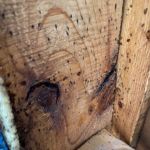
Subtle noises are usually the first clue. Light scratching, faint scurrying at night, or even occasional squeaks can indicate movement under flooring. In addition, droppings near foundation vents or insulation displacement are strong indicators of infestation.
Another overlooked sign is odor. Rodent urine creates a distinct ammonia-like smell that intensifies in enclosed crawl spaces. Over time, this odor may even seep into flooring materials above.
A construction inspector in North Carolina once reported that rodent activity was discovered not through sound, but through uneven insulation patterns visible during a routine HVAC check. The rodents had flattened entire sections to create travel paths.
Safe and Effective Ways of Removing Rodents
Once rodent presence is confirmed, the next step in how to deal with rodents in crawl space environments is removal. The key is not only eliminating the current infestation but doing so without creating additional risks such as contamination or structural damage.
Initial removal strategy and control measures
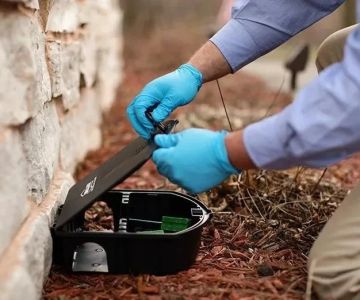
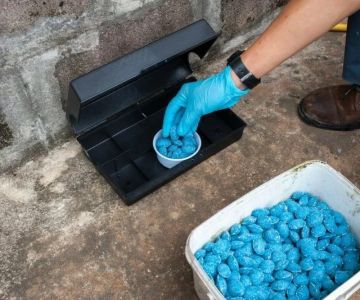
Trapping is generally more effective than poison in crawl spaces due to ventilation limitations and the risk of dead rodents decomposing in hidden areas. Snap traps or enclosed bait stations can be strategically placed along walls and near entry points.
Sanitation plays a crucial role. Rodents leave pheromone trails that attract others, meaning cleanup must include both waste removal and deodorization. Protective gear is essential because droppings may carry harmful bacteria.
At this stage, many homeowners choose professional assistance. Services listed through PestControlHub often specialize in crawl space environments, offering integrated solutions that combine removal and structural inspection.
Closing the Entry Points That Keep the Cycle Going
Even after removal, the problem will return if access points remain open. Rodents can squeeze through gaps as small as a dime, making sealing crawl spaces one of the most critical steps in long-term control.
Structural vulnerabilities that are often overlooked
Common entry points include gaps around plumbing lines, foundation cracks, and poorly sealed ventilation screens. In many homes, utility penetrations are the weakest structural zones.
A homeowner case in Illinois highlighted this issue clearly. After repeated infestations, inspection revealed that rodents were entering through a small gap behind a dryer vent that had never been properly sealed during installation.
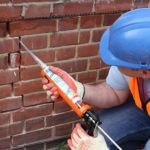
Using steel mesh, expanding foam designed for pest resistance, and reinforced vent covers can dramatically reduce reinfestation risk. However, sealing alone is not enough without addressing environmental attractants.
Real Home Scenario: When a Small Problem Became a Structural Concern
In a suburban neighborhood in Georgia, a family noticed a slight odor in the hallway floorboards during winter. Initially ignored, it was later traced to rodent nesting activity in the crawl space below.
By the time inspection occurred, insulation had been shredded across multiple sections, and electrical wiring insulation showed signs of gnawing. The repair cost significantly increased due to delayed action.
What made this case particularly instructive was how quickly a hidden infestation escalated. The lesson is simple: crawl space rodent activity rarely stays isolated.
Long-Term Maintenance for Rodent-Free Crawl Spaces
Preventing recurrence requires consistent attention rather than one-time fixes. Homeowners who understand how to deal with rodents in crawl space environments long-term typically adopt a seasonal maintenance mindset.
Ongoing monitoring and environmental control
Regular inspection of vents, insulation condition, and moisture levels helps identify risk factors early. Rodents are drawn to damp environments, so humidity control is often as important as physical sealing.
Some homeowners install motion-sensitive crawl space cameras or sensors to detect activity early. While not always necessary, these tools provide peace of mind in high-risk regions.
For broader pest prevention planning and seasonal guidance, PestControlHub offers resources that help homeowners maintain consistent protection strategies across different weather conditions.
Why Crawl Space Rodent Problems Should Never Be Ignored
Rodents in crawl spaces are more than a nuisance. They can compromise insulation efficiency, damage electrical systems, and introduce health risks into living spaces above. Understanding how to deal with rodents in crawl space settings is ultimately about protecting both structure and safety.
What makes this issue particularly challenging is its hidden nature. Unlike visible infestations in kitchens or attics, crawl space activity often progresses unnoticed until damage becomes significant. That is why early detection, proper removal, and consistent prevention must work together as a system rather than separate actions.

 TFALLS PEST CONTROL, LLC4.0 (9 reviews)
 Budget Pest Control Inc.4.0 (38 reviews)
 Moxie Pest Control4.0 (2352 reviews)
 Hoffman's Exterminating4.0 (65 reviews)
 The Bug Masters4.0 (14 reviews)
 Accelerated Mitigation5.0 (43 reviews)
 How to Clean Surfaces After Pest Treatments – A Complete Guide
 How to Read a Pest Control Contract: Don’t Get Trapped
 How to Deal With Pest Infestations Near Water Features
 How to Control Termites Without Fumigation: Effective Methods for Homeowners
 How to Seal Entry Points in Foundation Cracks - A Complete Guide
 Termite Inspection: Key Areas Most Homeowners Miss