
- understanding-how-landscaping-attracts-or-deterrs-pests
- designing-yard-barriers-for-effective-pest-control-protection
- choosing-plants-that-reduce-pest-intrusion-risk-naturally
- soil-water-and-drainage-management-to-avoid-pest-breeding
- real-life-case-study-home-infestation-prevention-success-story
- professional-strategies-and-long-term-yard-maintenance-tips
How Outdoor Landscaping Becomes the First Line of Defense
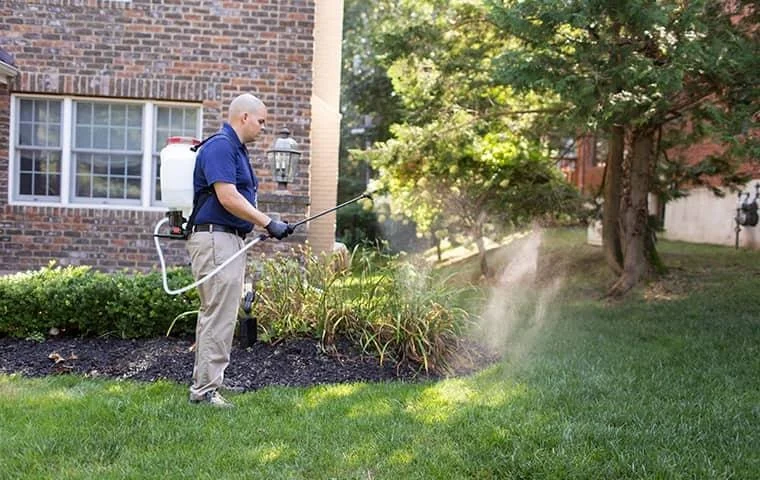
Most homeowners don’t realize that pest problems often start long before insects or rodents ever reach the house. The way a yard is designed can either discourage pests or create a direct invitation for them. When discussing how to prevent pest intrusion via landscaping, it becomes clear that outdoor design is not just about aesthetics—it is a functional barrier system.
The Hidden Connection Between Plants and Pest Movement
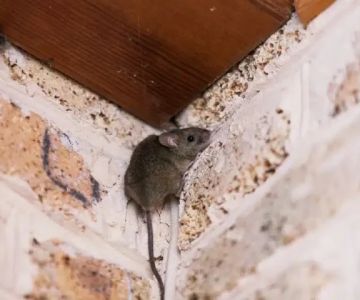
Dense shrubs placed too close to exterior walls can act as bridges for ants, spiders, and even rodents. Overgrown grass provides shelter for ticks and fleas, while stagnant mulch beds retain moisture that attracts termites. Understanding this relationship is the first step toward effective pest intrusion prevention.
Why Home Edges Are the Most Vulnerable Zones
The perimeter of a home is like a border checkpoint. If landscaping is poorly designed, pests move freely from yard to structure without resistance. Experts from PestControlHub often emphasize that nearly 60–70% of common household pest problems originate from unmanaged outdoor zones rather than interior sources.
Designing Yard Barriers That Actually Work
One of the most effective outdoor pest management strategies is creating intentional physical and environmental barriers. These are not walls in the traditional sense but carefully structured landscaping elements that discourage pest movement.
Gravel and Dry Zones as Natural Deterrents
Replacing mulch directly next to the house with gravel or stone strips reduces moisture retention and eliminates ideal breeding conditions for insects. Many pest control professionals recommend at least a 12–18 inch dry buffer zone around the foundation.
Strategic Plant Spacing for Airflow and Visibility
Pests prefer hidden, humid environments. By spacing plants properly, airflow increases and ground visibility improves, making it harder for insects and rodents to establish nesting areas. This simple adjustment often reduces pest activity significantly within weeks.
Case Insight: Suburban Home in Florida
A homeowner in Florida experienced repeated ant and termite activity despite indoor treatments. The issue was traced back to dense landscaping pressed against the home exterior. After redesigning the yard with gravel borders, trimming shrubs, and improving drainage, pest sightings dropped dramatically within one season.
Choosing Plants That Naturally Reduce Pest Intrusion
Plant selection plays a surprisingly powerful role in pest control. Certain plants repel insects naturally, while others attract them like magnets. Knowing the difference is essential for long-term protection.
Natural Repellent Plants for Yard Defense
Herbs such as lavender, rosemary, mint, and basil are well known for their pest-repelling properties. When strategically placed around windows, patios, and entry points, they create a natural defensive barrier that reduces insect traffic.
Avoiding High-Risk Vegetation Near Structures
Some ornamental plants with dense foliage or high moisture retention should not be placed near homes. These include thick ivy, overwatered ornamental grasses, and poorly maintained hedges. These environments often become breeding grounds for spiders and rodents.
Balancing Beauty and Functionality
A common misconception is that pest-preventive landscaping must look minimal or unattractive. In reality, thoughtful design allows homeowners to maintain beautiful gardens while still achieving strong pest intrusion prevention benefits.
Soil, Water, and Drainage Management for Pest Control
Moisture is one of the biggest contributors to pest activity. Standing water and poorly draining soil create ideal conditions for mosquitoes, termites, and ants. Proper landscaping must address these issues directly.
Fixing Drainage to Eliminate Breeding Grounds
Sloped soil away from the house ensures that rainwater does not accumulate near foundations. French drains or gravel channels can also redirect water flow effectively, reducing long-term pest attraction.
Irrigation Timing and Overwatering Risks
Watering plants in the early morning instead of evening allows soil to dry during the day, minimizing moisture buildup. Overwatering lawns is one of the most common yet overlooked causes of pest infestations.
Real Example: Backyard Mosquito Problem
A homeowner in Texas struggled with persistent mosquito activity despite using sprays indoors. The root cause turned out to be an overwatered garden bed with poor drainage. After adjusting irrigation schedules and improving soil grading, mosquito presence dropped significantly within two weeks.
Real-World Landscaping Mistake That Led to Pest Infestation
In one widely discussed homeowner case, decorative mulch was layered directly against a wooden exterior wall. While visually appealing, it created a moisture-rich environment ideal for termites. Over time, the infestation spread into structural components of the home.
After consulting pest control experts and platforms like PestControlHub, the homeowner replaced the mulch with stone barriers and installed a proper drainage system. This not only solved the infestation but also prevented future recurrence.
Long-Term Maintenance Strategies for a Pest-Resistant Yard
Seasonal Yard Inspection Routine
Regular inspection of landscaping every season helps identify early warning signs such as burrows, nests, or excessive moisture buildup. Early detection is one of the most effective ways to maintain pest-free outdoor spaces.
Trimming and Clean-Up Discipline
Overgrown vegetation is one of the most common causes of pest harboring. Consistent trimming of shrubs, removal of dead leaves, and clearing debris reduces hiding spots and nesting opportunities.
Professional Integration for Advanced Protection
While DIY landscaping adjustments are effective, combining them with professional pest control insights creates a stronger defense system. Experts often identify hidden vulnerabilities that homeowners overlook.
Building a Complete Outdoor Defense System
Effective pest prevention is not a single action—it is a combination of design, maintenance, and awareness. Landscaping becomes a protective system when every layer, from soil to plant selection, works together to discourage intrusion.
By applying these principles of how to prevent pest intrusion via landscaping, homeowners can significantly reduce pest risks while maintaining a visually appealing outdoor space. For more expert guidance, seasonal tips, and product recommendations, PestControlHub offers additional resources to help build long-term pest-resistant environments.



 All American Pest Control4.0 (17 reviews)
 Roger's Wildlife Control LLC5.0 (43 reviews)
 Massey Services Pest Control4.0 (124 reviews)
 The Yard Gard - Organic Tick & Mosquito Control4.0 (24 reviews)
 Orkin4.0 (67 reviews)
 Aiken Pest Control, Inc.5.0 (4638 reviews)
 Termite Inspection: Key Areas Most Homeowners Miss During Their Inspection
 How to Seal Cracks Around Windows to Block Insects | PestControlHub
 How to Seal Pest Entry Around Utility Penetrations
 How to Plan Pest Control After Flood Damage: Expert Strategies for Home Safety
 How to Keep Crawlspaces Dry and Pest-Free: Essential Tips
 How to Monitor Pest Return After Treatment: Tips and Best Practices