How to Control Pests Without Damaging Your Property
- pest-prevention-foundations - Understanding why pests invade homes and how property damage often begins
- safe-control-strategies - Methods for how to control pests without damaging property using non-invasive techniques
- eco-friendly-solutions - Natural and environmentally safe pest management approaches
- real-life-home-scenarios - Stories showing common pest problems and how they were solved safely
- long-term-protection-planning - Building a property-safe pest prevention system that lasts
Why Pest Problems Often Start Without Warning
When homeowners first search for how to control pests without damaging property, they are usually reacting to an existing issue—ants in the kitchen, termites near wooden structures, or rodents in the attic. But pest problems rarely start suddenly. They build slowly, often unnoticed, until damage becomes visible.
One homeowner in Texas shared how a small water leak behind their kitchen cabinet attracted ants for weeks before they realized the extent of the infestation. By the time action was taken, the cabinet base had already begun to warp. This kind of situation is more common than most people think.
Understanding pest behavior is the first step in preventing damage. Most pests are not random visitors—they are attracted to moisture, food residue, shelter, or warmth. Once these conditions are identified, controlling pests becomes significantly easier and less destructive.
Lowcountry Pest Management and Rodent Control
Mount PleasantCharleston CountySouth Carolina
1250 Fairmont Ave, Mt Pleasant, SC 29464, USA
Safe Methods to Control Pests Without Damaging Your Property
Start with Non-Invasive Inspection Techniques
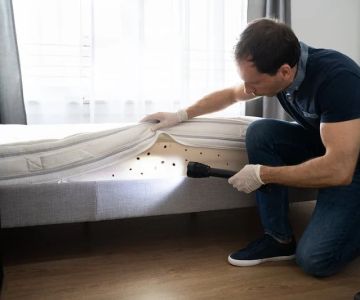
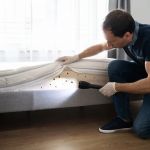
The foundation of safe pest control methods is inspection without disruption. Many homeowners make the mistake of tearing into walls or flooring too early. Instead, professionals recommend starting with visual inspection, moisture detection tools, and monitoring traps.
For example, placing simple sticky traps in hidden corners can reveal the type and scale of infestation without damaging surfaces or structures. This approach minimizes unnecessary repairs and keeps your property intact.
Gregory Pest Solutions
North CharlestonDorchester CountySouth Carolina
102 Dorchester Manor Blvd, North Charleston, SC 29420, USA
Seal Entry Points Before Using Chemicals
One of the most effective steps in eco friendly pest control is exclusion—physically blocking pests from entering. Small cracks near doors, vents, and plumbing lines are often overlooked but serve as main entry routes.
A homeowner in Florida discovered that sealing a single gap behind a washing machine significantly reduced rodent activity. Instead of relying on repeated chemical treatments, they eliminated the source of entry entirely.
Use Targeted Treatments Instead of Broad Sprays
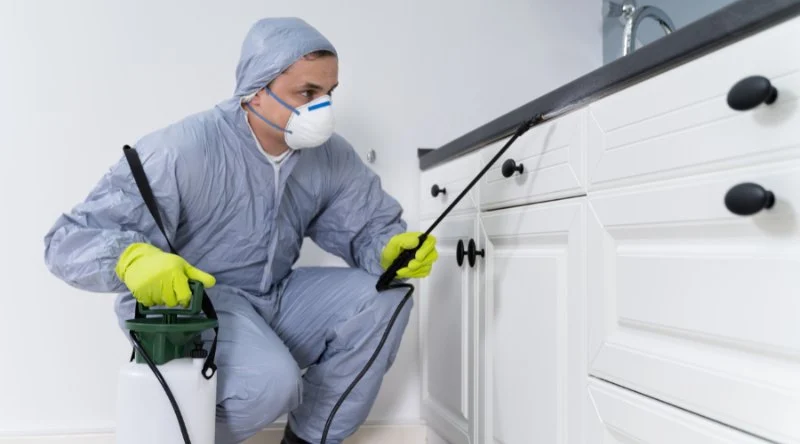
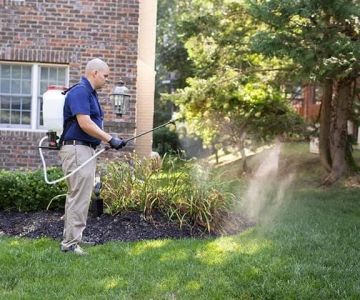
Broad chemical spraying may seem effective, but it often damages indoor surfaces, affects air quality, and provides only temporary relief. Property safe extermination methods rely on targeted application.
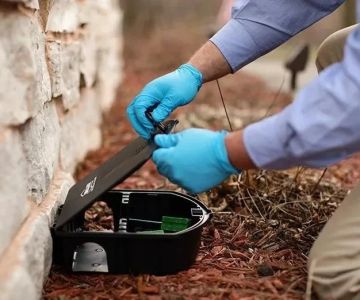
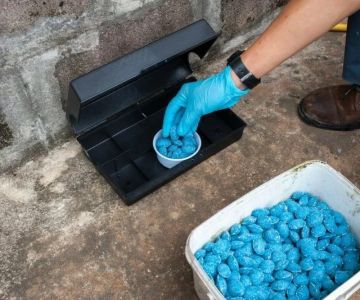
Gel bait stations for ants or enclosed traps for rodents are far safer options. They reduce exposure to chemicals while directly addressing the pest source.
Eco-Friendly Approaches That Protect Your Home
Natural Repellents and Household Alternatives
Many eco friendly pest control solutions can be made using common household items. Vinegar, citrus oils, and peppermint extracts are often used to deter ants and spiders without harming surfaces or finishes.
These methods are especially useful in kitchens and living areas where chemical sprays could damage countertops or flooring over time.
Biological Balance in Outdoor Spaces
Outdoor pest control often involves restoring natural balance rather than elimination. Encouraging beneficial insects like ladybugs can reduce aphid populations naturally.
A gardener in California shared how introducing native plants reduced pest pressure dramatically within one season. By attracting natural predators, they avoided chemical treatments altogether.
Real-Life Example: A Home Saved from Structural Damage
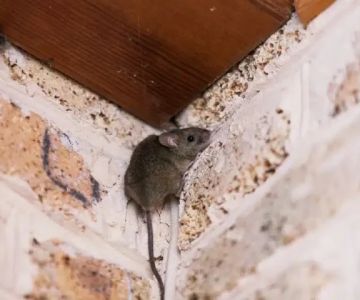
A widely discussed home repair case involved a suburban family who noticed faint scratching sounds in their attic. Initially, they considered aggressive chemical fumigation. However, a professional inspection revealed that the problem could be solved through targeted exclusion and insulation repair.
Instead of using harsh treatments, technicians sealed entry points, installed humane traps, and improved attic ventilation. Within weeks, the pest activity stopped completely without any structural damage.
This case highlights why how to control pests without damaging property is not just about elimination—it’s about choosing methods that preserve the integrity of the home.
Common Mistakes That Lead to Property Damage
Overusing Chemical Sprays Indoors
Excessive chemical use can stain surfaces, damage wood finishes, and create long-term indoor air quality issues. Many homeowners underestimate these side effects when attempting DIY pest control.
Ignoring Moisture Problems
Moisture is one of the biggest drivers of pest infestations. Failing to fix leaks or ventilation issues allows pests to return even after treatment.
Delaying Early Intervention
Small infestations grow quickly. Waiting too long often results in more aggressive treatments that increase the risk of property damage.
Building a Long-Term Pest Prevention Strategy
Routine Property Inspections
Regular inspections help identify vulnerabilities before pests establish themselves. Checking basements, attics, and exterior walls every few months can prevent costly repairs.
Environmental Maintenance Around the Home
Trimming vegetation, managing garbage storage, and reducing standing water are simple but effective prevention techniques. These steps reduce the conditions that attract pests in the first place.
Integrating Professional Guidance When Needed
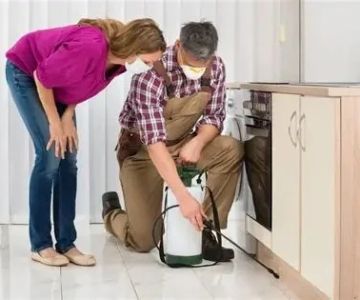
While DIY methods are effective for minor issues, larger infestations often require expert intervention. Services like PestControlHub provide access to advanced tools and professional insights designed to eliminate pests without harming property structures.
Creating a Safe and Balanced Home Environment
Ultimately, mastering how to control pests without damaging property is about balance. It is not about eliminating every insect at all costs, but about maintaining a safe, healthy, and structurally sound living environment.
When homeowners combine inspection, prevention, and targeted treatment strategies, they significantly reduce both pest activity and the risk of property damage. The result is a home that remains protected, efficient, and comfortable throughout the year.
 Queen City of the Cumberlands Pest Control4.0 (6 reviews)
 Total Pest And Termite , LLC5.0 (25 reviews)
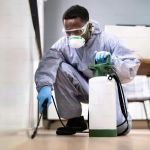 Pied Piper Pest Control5.0 (11 reviews)
 NaturaLawn of America4.0 (13 reviews)
 Palmetto Exterminators, Inc.4.0 (531 reviews)
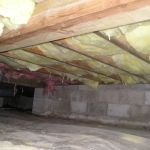 Reliance Pest & Termite Inc.4.0 (30 reviews)
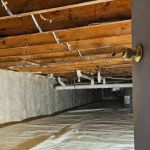 How to Keep Pests Out of Your Crawl Space: Expert Tips for Prevention
 How Crowded Cities Affect Pest Populations
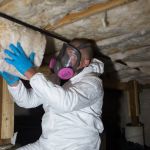 How to Control Pests in Crawl Spaces
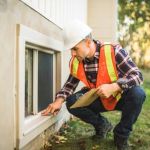 Termite Inspection: Key Areas Most Homeowners Miss
 How to Monitor Pest Trends Locally
 How to Prevent Pest Spread in Multi-Unit Homes