- understanding-food-storage-pests - Common Pests Found Near Food Storage Areas
- importance-of-safe-pest-control - Why Food-Safe Pest Management Matters
- prevention-methods - Preventing Pest Problems Before They Start
- safe-treatment-options - Choosing Safe Pest Control Methods Around Food
- professional-pest-solutions - When Professional Pest Control Becomes Necessary
Protecting Your Food Storage Areas With Smart and Safe Pest Control Methods
Keeping food storage areas clean and pest-free is one of the most important parts of maintaining a healthy home or business. Whether you are protecting a kitchen pantry, restaurant storage room, warehouse, or family food supply, pests can quickly create problems if they are not controlled properly. The challenge is finding solutions that remove unwanted insects and rodents while keeping stored food safe.
Safe pest control around food storage areas requires a careful balance between effective pest prevention and responsible treatment methods. Simply spraying chemicals around shelves and cabinets is not always the best approach. A successful strategy focuses on identifying the source of the problem, preventing access, maintaining cleanliness, and using targeted solutions when necessary.
Many homeowners and food businesses turn to trusted resources such as PestControlHub to learn more about practical pest management options and find solutions designed for protecting important food storage spaces.

1. Understanding the Common Pests Found Around Food Storage Areas
Food storage areas naturally attract pests because they provide three things that insects and rodents need: food, water, and shelter. Even a small amount of spilled grain, crumbs, moisture, or improperly sealed packaging can become an invitation for pests to enter.
1.1 Pantry Insects That Affect Stored Food
Pantry pests are among the most common problems found in residential kitchens. These insects often hide inside packaged foods and may go unnoticed until an infestation becomes visible.
Common pantry pests include:
1. Indian meal moths that commonly affect grains, cereals, flour, and dry foods.
2. Weevils that can appear in rice, beans, pasta, and other stored products.
3. Beetles that may infest flour, spices, nuts, and baking ingredients.
These pests can damage food supplies and create frustration for homeowners because they are often discovered only after they have spread.
1.2 Rodents and Their Risks Around Food Supplies
Mice and rats create a different level of concern because they can contaminate food through droppings, urine, and contact with surfaces. A single rodent entering a storage area can potentially damage large amounts of food.
Rodents are especially attracted to areas where food is stored in cardboard boxes or containers that are easy to access. Basements, garages, kitchens, and commercial storage spaces are common locations where rodent activity may appear.
1.3 Ants and Other Crawling Insects
Ants are another frequent problem near food storage. They are attracted to sugar, crumbs, and moisture. Once a colony discovers a reliable food source, workers can create visible trails leading directly to stored products.
A common mistake is treating only the visible ants without addressing the colony or entry points. Effective pest management requires understanding how pests behave and why they entered the area.
2. Why Safe Pest Control Around Food Storage Areas Is Essential
Food safety is not only about expiration dates and proper cooking. Protecting food from contamination begins with maintaining a clean and controlled storage environment.
2.1 Protecting Family Health
For families, food storage areas represent a place where daily meals begin. Contaminated food can create unnecessary health risks, especially for children, older adults, and individuals with sensitive immune systems.
Safe pest control methods help reduce exposure to harmful contaminants while allowing families to maintain confidence in their stored food.
2.2 Maintaining Food Quality and Reducing Waste
Pest infestations often result in wasted food. A single damaged package of flour, cereal, or rice may require throwing away nearby products to avoid spreading the problem.
Preventing pests before they become a serious issue saves money and reduces unnecessary food waste.
2.3 Meeting Food Safety Expectations for Businesses
Restaurants, grocery stores, and food production facilities have even greater responsibilities. Customers expect food environments to be clean, organized, and properly maintained.
A pest problem can damage a company’s reputation and create operational challenges. Regular inspections and safe pest management practices are important parts of responsible food handling.
3. Practical Ways to Prevent Pests in Food Storage Areas
The most effective pest control strategy is prevention. By removing opportunities for pests to enter and survive, homeowners and businesses can significantly reduce the chance of infestations.
3.1 Store Food in Proper Containers
Original packaging is not always enough to protect food. Thin plastic bags and cardboard boxes can easily be damaged by insects or rodents.
A better approach is transferring dry goods into sealed containers made from durable materials. Airtight containers help protect products such as:
1. Flour and baking supplies.
2. Rice and pasta.
3. Pet food.
4. Snacks and cereals.
Proper storage also makes it easier to identify unusual activity before it becomes a larger problem.
3.2 Keep Storage Areas Clean and Organized
Regular cleaning is one of the simplest ways to improve food storage safety. Small spills that seem harmless can attract pests over time.
Important cleaning habits include:
1. Wiping shelves regularly.
2. Cleaning behind appliances.
3. Removing expired products.
4. Vacuuming cracks and corners.
5. Keeping trash containers properly sealed.
A clean environment removes many of the conditions pests need to survive.
3.3 Seal Entry Points Around Storage Spaces
Many pests enter through surprisingly small openings. Cracks near walls, gaps around pipes, damaged screens, and spaces beneath doors can provide easy access.
Inspecting and sealing these areas is an important part of safe pest control around food storage areas because it prevents problems instead of only reacting after they appear.
4. Choosing Safe Pest Control Methods Around Food
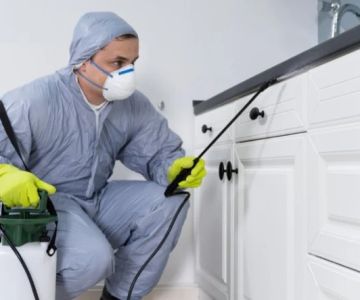
When prevention is not enough, choosing the right treatment method becomes important. The goal is to control pests without unnecessarily exposing food or household members to unsafe products.
4.1 Remove Food Before Treatment
Before applying any pest control product, food items should be removed or properly protected. Open packages should never be exposed to treatment materials.
Shelves, cabinets, and storage areas should be prepared carefully to prevent accidental contamination.
4.2 Use Targeted Pest Control Approaches
Modern pest management focuses on targeted solutions instead of unnecessary widespread application. This may include traps, monitoring devices, sealing methods, and carefully selected treatments.
Targeted methods are often more effective because they address the actual source of the infestation.
4.3 Avoid Improper DIY Pest Control Practices
Many people attempt quick fixes when they discover pests near food. However, using too much pesticide or applying products incorrectly can create additional problems.
Following product instructions carefully and understanding where treatments should be applied are essential steps for maintaining food safety.
5. A Real Example of Preventing a Pantry Pest Problem
Consider a family that noticed small insects appearing near their kitchen shelves. At first, they assumed the problem came from occasional crumbs or poor cleaning. After inspecting their pantry, they discovered that an opened package of grains had become the source of the infestation.
Instead of spraying the entire kitchen, they removed affected products, cleaned storage areas, transferred remaining foods into sealed containers, and improved their prevention routine.
This simple example shows why understanding pest behavior is more effective than reacting with immediate chemical treatments. Identifying the cause allows homeowners to create a long-term solution.
6. When Professional Pest Control Is the Better Choice
Some pest problems require professional assistance, especially when infestations become large or difficult to locate.
6.1 Signs You May Need Expert Help
Professional pest control may be necessary if you notice:
1. Repeated pest sightings despite cleaning.
2. Evidence of rodents.
3. Damage to stored food packages.
4. Pest activity returning after treatment.
5. Difficulty identifying the source.
Experts can inspect storage areas, identify entry points, and recommend solutions designed for the specific situation.
6.2 Benefits of Professional Pest Management
Professional services provide experience, specialized tools, and knowledge about pest behavior. Instead of guessing which product to use, homeowners and businesses receive a more structured approach.
Reliable pest management also helps prevent future problems through ongoing recommendations and maintenance strategies.
7. Protect Your Food Storage Areas With Smarter Pest Control Planning
Maintaining a pest-free food storage area requires more than occasional cleaning. It requires consistent prevention, careful storage habits, and responsible pest control decisions.
Whether you are protecting a family pantry or managing a larger food storage environment, safe pest control around food storage areas helps create a healthier and more comfortable space.
PestControlHub provides helpful information and solutions for people looking to improve their pest management approach. Explore available options, learn more about effective prevention strategies, and take the next step toward protecting your food storage areas with confidence.


 Lane's Termite Pest Inc4.0 (62 reviews)
 Ben the Bug Man, A-1 Pest Control Inc.4.0 (6 reviews)
 veganix pest control disinfecting and deodorizing5.0 (1 reviews)
 All Out Bird Control, LLC5.0 (6 reviews)
 Orkin0.0 (0 reviews)
 Burnin' Bugs5.0 (4 reviews)
 How to Deal With Pest Infestations in Basements
 How to Use Targeted Barrier Treatments
 How to Use Preventative Barriers for All Seasons
 How to Deal With Pest Infestations in Condos
 How to Keep Flies Out of Your House in the Summer – Effective Tips
 How to Evaluate Professional Pest Control Certifications