
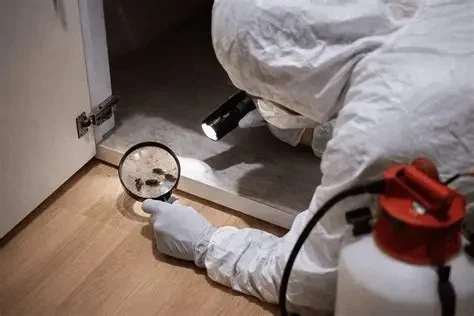
- inspection-signs-hidden-wall-pests - recognizing early clues of infestation inside walls
- rodents-in-wall-voids-solutions - dealing with mice and rats behind drywall
- insect-infestation-control - handling ants, termites, and cockroaches in wall spaces
- safe-treatment-methods - professional vs DIY pest control approaches
- prevention-and-sealing - blocking pests from returning into wall voids
Hidden Trouble Inside Your Walls: Why Wall Voids Become Pest Highways
Pest activity rarely starts where people notice it first. In many homes, the real problem begins silently inside wall voids—those empty spaces between drywall panels where wiring, insulation, and plumbing run. These cavities are warm, dark, and protected, making them ideal nesting zones for rodents and insects.
A common scenario reported by homeowners is hearing faint scratching at night, especially in bedrooms or kitchens. One family in a suburban neighborhood described hearing what they thought was “house settling noises” for weeks—until droppings appeared in the pantry. By the time the wall was opened, a full mouse colony had already formed inside the insulation.
Understanding how to deal with pest infestations in wall voids starts with recognizing that these spaces are not just structural gaps—they are active ecosystems when pests get inside.
Eco Systems Pest Control Inc. - A Division of Modern Pest Services
NorwellPlymouth CountyMassachusetts
106 Longwater Dr Ste 111, Norwell, MA 02061, USA
Early Warning Signs That Pests Are Living Inside Walls
Detecting pests early is critical because wall void infestations grow quickly without visual confirmation. Unlike open areas, these spaces hide physical evidence until damage becomes severe.
Unusual Sounds and Movement Patterns
Scratching, gnawing, or light tapping noises at night often indicate rodent activity. Insects may create softer rustling sounds, especially if colonies are large.
Odors That Seem to Appear from Nowhere
A musty or ammonia-like smell can suggest urine buildup from rodents trapped or nesting inside walls. This is often one of the earliest reliable indicators.
Visible Surface Clues
Small cracks near baseboards, grease marks along wall edges, or tiny insect trails emerging from electrical outlets may signal hidden infestation paths.
Homeowners often ignore these early warnings, assuming they are minor issues. However, ignoring them allows pests to expand their tunnels and nesting zones deeper into structural areas.
Why Wall Voids Are So Attractive to Rodents and Insects
Wall voids provide three essential survival conditions: shelter, warmth, and accessibility. Rodents especially prefer these environments because they can travel between floors and rooms without exposure.
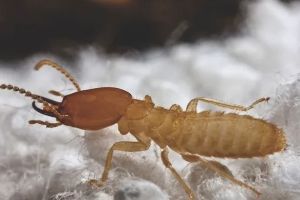
Insects such as ants and termites use wall cavities as hidden highways. Termites, in particular, can remain undetected for months while consuming wood framing from the inside out.
This hidden nature is why pest control professionals often prioritize internal inspection techniques rather than surface-level treatment alone.
Rodents in Wall Voids: How to Identify and Handle the Problem
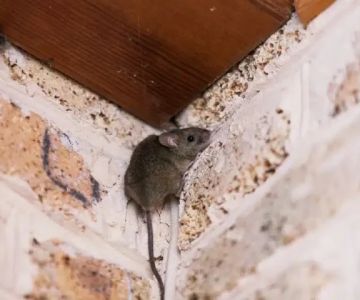
Rodents such as mice and rats are the most common wall invaders. They enter through gaps as small as a dime and quickly establish nesting sites within insulation.
Understanding Rodent Behavior Inside Walls
Rodents follow repetitive travel routes. Once inside a wall void, they create consistent pathways between food sources and nesting zones. This leads to repeated scratching sounds in the same wall area.
Effective Treatment Approaches
Successful control involves a combination of trapping, sealing entry points, and eliminating attractants. Simply placing traps inside living spaces is often not enough when nests remain inside walls.
In severe cases, professionals may use inspection cameras to locate nest density before opening sections of drywall for removal and sanitation.
Insect Infestations Behind Walls and Their Hidden Damage
Unlike rodents, insects often remain completely invisible until structural damage or swarm activity occurs.
Termites: Silent Structural Threats
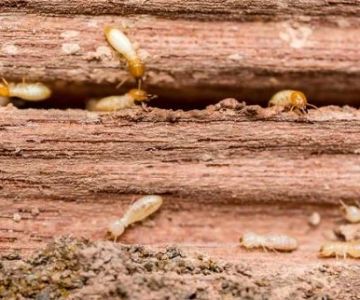
Termites feed on cellulose in wood framing. Inside wall voids, they can remain undetected for long periods while weakening beams and studs.
Ant Colonies Expanding Through Electrical Paths
Certain ant species use wiring channels inside walls as navigation routes. This creates widespread infestations across multiple rooms.
Cockroach Nesting in Warm Wall Spaces
Cockroaches prefer humid, warm environments and often nest near kitchens or bathrooms inside wall cavities.
Professional pest control often focuses on targeted baiting systems that penetrate colony pathways rather than surface sprays, which rarely reach hidden nests.
Safe and Strategic Methods for Treating Wall Void Infestations
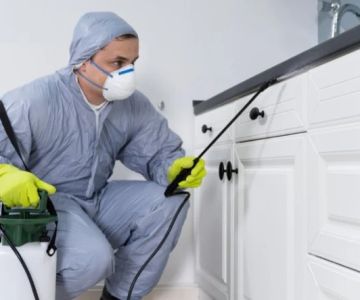
When dealing with hidden infestations, safety and precision matter more than aggressive chemical use. Overuse of pesticides inside walls can create air quality issues without solving the root problem.
Inspection Before Action
Thermal imaging and acoustic detection tools help identify movement inside walls before any physical intervention. This prevents unnecessary damage to drywall.
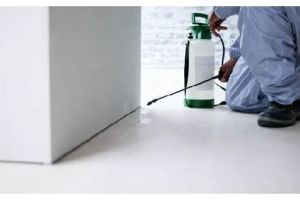
Targeted Treatment Instead of Broad Spraying
Gel baits for insects and strategically placed traps for rodents are far more effective than general surface treatments.
Controlled Structural Access When Necessary
In extreme cases, a small section of drywall may be opened to remove nests, sanitize the cavity, and restore insulation integrity.
Many professionals recommend combining treatment with long-term exclusion work to prevent reinfestation.
Preventing Future Pest Entry into Wall Voids
Prevention is the most effective long-term strategy. Once pests find entry points, they rarely leave unless conditions are fully disrupted.
Sealing Structural Gaps
Cracks around windows, utility pipes, and foundation edges should be sealed with pest-resistant materials. Even small openings can become entry routes.
Managing Moisture Levels
Moisture attracts insects and weakens building materials, making walls more vulnerable. Proper ventilation and leak repair are essential.
Reducing Indoor Food Sources
Rodents often enter wall voids because food is accessible nearby. Keeping kitchens clean and stored properly reduces attraction.
For homeowners seeking deeper prevention strategies and recommended tools for sealing and monitoring, resources like PestControlHub can help identify effective long-term solutions tailored to specific home layouts and pest risks.
Real-Life Case: A Repeated Infestation That Started Behind a Kitchen Wall
A homeowner in a mid-sized city experienced recurring mouse activity every winter. Despite multiple extermination attempts, the issue returned each year. Eventually, inspection revealed an unsealed pipe entry behind the kitchen sink leading directly into wall voids.
Once sealed and combined with internal cleanup of nesting material, the infestation was finally eliminated. This case highlights a critical lesson: surface treatment alone rarely solves hidden wall infestations.
Professional Insight on Long-Term Wall Void Protection
Experts emphasize that pest control inside walls is not a one-time action but a layered strategy. It involves inspection, removal, exclusion, and monitoring.
Homes that integrate routine checks—especially around plumbing lines and attic-wall intersections—tend to experience significantly fewer reinfestation issues.
The most successful approach combines awareness of early signs with proactive maintenance rather than waiting for visible damage.

 Humane Wildlife Solutions4.0 (4 reviews)
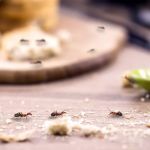 Trius Pest Management - NJ4.0 (183 reviews)
 InvisaBarrier Mosquito Control of the Crystal Coast0.0 (0 reviews)
 Pest Control PRO - Dublin5.0 (132 reviews)
 Expert Exterminating Inc.4.0 (458 reviews)
 A & A Wildlife and Home Solutions5.0 (117 reviews)
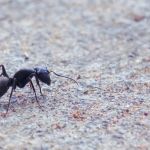 How to Choose Between Bait and Spray for Ants: Effective Solutions for Your Home
 How to Monitor Pest Harborage Areas Effectively
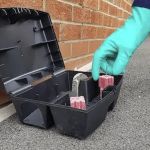 How to Use Bait Stations Safely Around Children
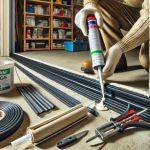 How to Seal Gaps at Door Bottoms to Block Insects – Easy Methods for Effective Pest Control
 How to Evaluate Pest Control Guarantees | PestControlHub
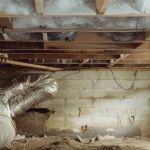 How to Prevent Pest Intrusion in Crawl Spaces