
- food-business-pest-risks
- impact-of-pests-on-food-safety
- common-pests-in-food-facilities
- protecting-reputation-and-customer-trust
- meeting-food-safety-regulations
- building-effective-pest-control-programs
- choosing-professional-pest-management-solutions
Protecting Food Operations Through Smart Pest Management Practices
Running a food business involves much more than preparing delicious meals or providing excellent customer service. Restaurants, bakeries, grocery stores, food warehouses, and commercial kitchens all share one major responsibility: protecting the safety and quality of the food they provide.
One of the biggest threats to food safety is often something small and difficult to notice at first. Pests such as rodents, cockroaches, flies, and stored product insects can quickly create serious problems when they enter food preparation or storage areas. This is why pest control is critical for food businesses of every size.
A strong pest management strategy does more than remove unwanted insects and animals. It protects customers, employees, inventory, brand reputation, and compliance with food safety standards. For food companies, pest prevention is not simply a maintenance task; it is an essential part of daily operations.

Fox Pest Control Berlin
BerlinCapitol Planning RegionConnecticut
77 Old Brickyard Ln, Berlin, CT 06037, USA
Why Food Businesses Face Higher Pest Risks
Food businesses naturally create environments that attract pests. Warm temperatures, available food sources, moisture, and storage areas provide ideal conditions for many types of insects and rodents.

1. Food Sources Are Constantly Available
Unlike residential properties, commercial food facilities handle large quantities of ingredients every day. Flour, grains, sugar, meat products, vegetables, and prepared foods can attract pests if they are not properly stored and protected.
Even a small amount of spilled food behind equipment or under shelving can become a reliable food source for pests. Over time, these small opportunities can support larger infestations.
2. Commercial Kitchens Have Hidden Problem Areas
Many pest issues begin in locations employees rarely see. Behind ovens, underneath refrigerators, inside storage rooms, and around plumbing areas are common places where pests hide.
Because commercial kitchens operate at a fast pace, small sanitation problems can sometimes go unnoticed. A few crumbs or drops of moisture may seem harmless, but pests are highly effective at finding these resources.
3. High Customer Traffic Creates More Challenges
Restaurants and food businesses often have many people entering and leaving throughout the day. Doors opening frequently, deliveries arriving, and outdoor dining areas can create opportunities for pests to enter.
This makes professional pest control for food businesses especially important because prevention requires continuous attention rather than occasional treatment.
How Pests Threaten Food Safety
The most important reason why pest control is critical for food businesses is the direct connection between pests and food contamination risks.
1. Pests Can Spread Harmful Contaminants
Rodents and insects can carry bacteria and other contaminants on their bodies. When they move through food preparation areas, they may transfer harmful substances onto surfaces, equipment, ingredients, and packaging.
This creates risks that are difficult to detect because contamination does not always change the appearance, smell, or taste of food.
2. Rodents Create Serious Food Storage Problems
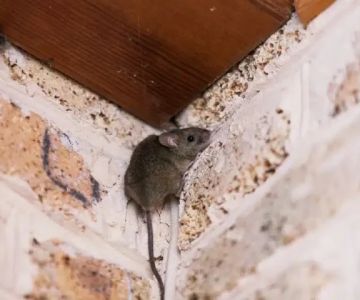
Mice and rats are among the most damaging pests in food facilities. They can chew through packaging materials, damage stored products, and leave behind waste that contaminates surrounding areas.
A single rodent sighting can indicate a larger problem because rodents often hide during the day and become active when businesses are closed.
3. Insects Can Multiply Quickly
Cockroaches, flies, and pantry pests can reproduce rapidly when they find suitable conditions. A small insect problem can become a major infestation before business owners realize the severity of the situation.
Regular inspections and preventive pest management help identify problems before they affect operations.
Common Pests Found in Restaurants and Food Operations
Different food businesses face different pest challenges depending on their location, building design, and type of food handled.
1. Cockroaches in Commercial Kitchens
Cockroaches are one of the most common concerns for restaurants because they thrive in warm, dark, and humid environments. Commercial kitchens provide many areas where cockroaches can hide, including cracks, drains, and equipment spaces.
Effective restaurant pest prevention requires more than eliminating visible insects. It involves identifying entry points, reducing hiding places, and maintaining strict sanitation practices.
2. Rodents in Storage and Warehouse Areas
Food warehouses and distribution centers are especially vulnerable to mice and rats because they often store large quantities of products.
Proper storage systems, routine inspections, and professional monitoring programs help reduce the risk of rodent damage and contamination.
3. Flies Around Food Preparation Areas
Flies can quickly become a customer-facing problem because they are highly visible. They are attracted to food waste, drains, and organic materials.
Fly control requires addressing the source of attraction, not just removing adult flies. Waste management, drainage maintenance, and sanitation are essential parts of prevention.
4. Stored Product Insects
Pantry pests such as beetles and moths can affect grains, cereals, spices, and dry ingredients. These pests are especially challenging because they may enter through supplier shipments.
Food businesses need careful inspection procedures to prevent contaminated products from entering storage areas.
Protecting Brand Reputation and Customer Confidence
A food business can spend years building customer trust and lose it quickly because of a pest problem. In today’s digital world, customers can instantly share negative experiences through reviews and social media.
1. One Pest Incident Can Affect Public Perception
A customer who sees a cockroach in a restaurant or notices signs of rodents may immediately question the cleanliness of the entire operation.
Even if the issue is isolated, customers often associate visible pests with poor food handling practices.
2. Prevention Supports Positive Reviews
Clean facilities create confidence. Customers notice details such as organized dining areas, clean restrooms, and professional food preparation environments.
Investing in commercial pest control helps businesses maintain the standards customers expect.
3. Employees Benefit From Safer Workplaces
Pest-free environments also protect employees. Kitchen staff and food handlers deserve a workplace where sanitation and safety are treated as priorities.
The Importance of Pest Control Compliance
Food businesses must follow strict safety requirements designed to protect consumers. Pest control is a major part of many food safety programs and inspections.
1. Documentation Matters
Professional pest management programs often include inspection records, treatment reports, and monitoring information. These documents help businesses demonstrate that they are actively managing pest risks.
2. Inspections Require Preparation
Health inspections evaluate many aspects of food safety, including sanitation, storage, and pest prevention practices.
A business that ignores pest management may face warnings, penalties, or operational disruptions.
3. Prevention Is Better Than Emergency Response
Waiting until an infestation appears often leads to higher costs and more disruption. Preventive pest management identifies risks early and reduces the chance of serious problems.
Creating an Effective Pest Control Program for Food Businesses
A successful pest management plan combines professional services with daily employee habits. The strongest programs focus on prevention rather than reacting only after pests appear.
1. Schedule Regular Inspections
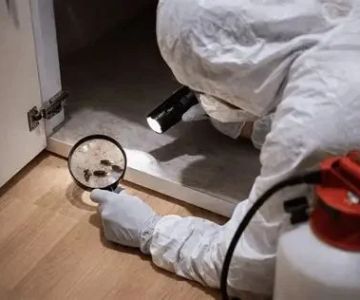
Routine inspections help identify early warning signs such as droppings, damage, nesting materials, or insect activity.
Early detection allows businesses to address problems before they affect customers or inventory.
2. Improve Sanitation Practices
Cleanliness plays an important role in pest prevention. Employees should follow consistent procedures for:
- Cleaning food preparation surfaces
- Removing waste properly
- Storing ingredients correctly
- Cleaning spills immediately
- Maintaining equipment areas
3. Seal Entry Points
Pests can enter through surprisingly small openings. Cracks, gaps around doors, damaged screens, and openings around pipes should be inspected and repaired.
Physical prevention reduces the chances of pests entering before chemical or other treatments become necessary.
4. Train Employees
Every employee plays a role in pest prevention. Training staff to recognize warning signs and report issues quickly creates a stronger defense system.
Choosing the Right Pest Management Partner
Selecting a reliable pest control provider is an important decision for any food business. The right partner understands the unique challenges of commercial food environments.
1. Look for Food Industry Experience
Food businesses require specialized pest control approaches. A provider experienced with restaurants, warehouses, and commercial kitchens understands strict sanitation requirements.
2. Choose Prevention-Focused Services
The best pest management programs do not only treat existing problems. They create long-term strategies that reduce future risks.
3. Use Reliable Resources and Solutions
PestControlHub helps businesses learn more about pest prevention strategies and choose solutions that support safer food operations. Understanding potential risks allows food businesses to make better decisions before problems develop.
Maintaining a Pest-Free Food Business All Year
Pest control is not a one-time project. Food businesses need ongoing attention because conditions change throughout the year. Seasonal weather, new deliveries, building changes, and increased customer activity can all influence pest risks.
The businesses that succeed are those that treat pest management as part of their overall commitment to quality. A clean, safe, and pest-free environment protects customers while strengthening the reputation of the brand.
Whether you operate a restaurant, bakery, grocery store, or food warehouse, investing in professional pest control for food businesses is one of the smartest ways to protect your operation. Effective prevention today can prevent costly problems tomorrow and help your customers feel confident every time they choose your business.

 Noosa Pest Management LLC5.0 (109 reviews)
 Terminix4.0 (482 reviews)
 BCPC Exterminating Inc.4.0 (91 reviews)
 Eudaimonia Pest Control5.0 (10 reviews)
 Fox Pest Control Evansville4.0 (576 reviews)
 Hygienic Solutions Pest Control5.0 (11 reviews)
 How to Control Termites Without Fumigation: Effective Methods for Homeowners
 How to Plan Pest Control in Subdivisions
 How to Seal Cracks in Concrete to Block Insects
 How to Use Mini Barriers to Prevent Pest Entry
 How to Use Smart Alerts for Pest Detection
 How to Prevent Pest Return After Treatment: Effective Home Strategies