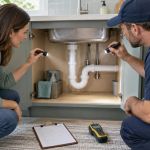
Indoor Pest Moisture Check: Leaks, Drains, and Damp Areas
On this page
Quick answer
When pests appear near a sink, bathroom, basement, or appliance, record the sightings and look for accessible leaks, condensation, standing water, and damp materials. Dry small spills, correct the water source, and keep food and trash sealed. Do not open walls, handle contaminated materials, or apply pesticides blindly; moisture damage, electrical risk, sewage, or persistent activity needs qualified help.

Map moisture and sightings
Mark the room, time, and exact place for each sighting. Note nearby water sources, food, gaps, clutter, and whether activity occurs after rain, appliance use, or overnight. Photos can document a stain, leak, pest, or damaged material without disturbing it.
Correct identification matters. Flying insects near a drain, ants around a pipe, and pests near a damp cardboard box may require different responses even though water is nearby.
Team Veterans Pest Control
Mount PleasantCharleston CountySouth Carolina
1385 Classic Ct Unit 234, Mt Pleasant, SC 29466, USA
Inspect plumbing safely
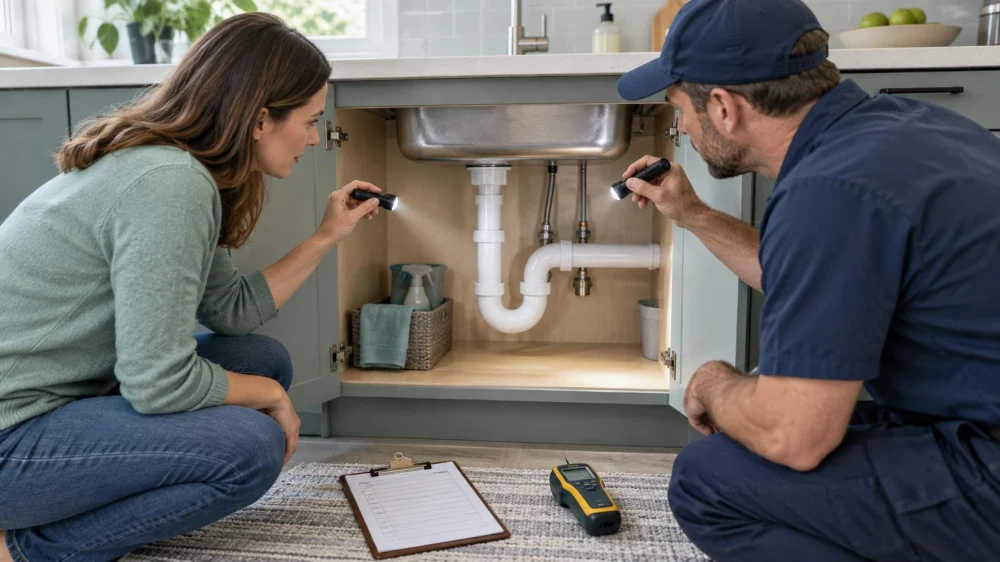
Use a flashlight to look under accessible sinks and around toilets, exposed supply lines, shutoff valves, and visible pipe penetrations. Check for drops, mineral deposits, swollen cabinet material, discoloration, or a musty odor. Place a dry paper towel below a suspected drip only when the area is safe and dry enough to approach.
Do not touch wet wiring, remove fixed panels, crawl beneath unsafe structures, or loosen plumbing. Active leaks, soft building materials, sewage, or uncertain electrical conditions belong with the appropriate licensed professional.
Check drains and appliances
Observe whether drains empty normally and whether water remains in trays, buckets, plant saucers, refrigerator pans, or other containers. Inspect accessible appliance hoses and the floor nearby without moving heavy equipment or disconnecting utilities.
Eliminate ordinary standing water and clean spills promptly. Avoid pouring pesticides, bleach mixtures, boiling water, or improvised chemicals into a drain. A slow, damaged, or backing-up drain needs plumbing evaluation.
Dry and repair the source
Integrated pest management reduces the conditions pests need. The EPA's smart pest-control guidance recommends fixing leaky plumbing and removing standing water. Its indoor air guidance also describes removing food, water, shelter, and entry routes as part of prevention.
Clean and dry accessible surfaces using methods appropriate for the material, improve ordinary ventilation, and replace or repair the water source. Do not simply cover wet or damaged material; hidden moisture may persist.
Know when to call a professional
Contact a plumber, building manager, restoration specialist, or pest professional when the water source is hidden, recurring, extensive, or linked to sewage, structural damage, mold-like growth, or electrical hazards. A pest professional can identify the organism, assess activity, and coordinate monitoring or treatment with repairs.
Share the sighting log, photos, leak history, recent weather, and any repairs already attempted. Ask which moisture correction is necessary and which evidence should remain in place for inspection.
Important safety limits
Keep children and pets away from wet, contaminated, or treated areas. Follow pesticide labels exactly and never mix pest products or household chemicals. For suspected pesticide poisoning, leave the exposure area and contact emergency services or Poison Control as appropriate.
Frequently asked questions
Does moisture prove where pests are breeding?
No. It identifies a condition worth investigating, but species identification and inspection are needed to locate the source.
Can a dehumidifier replace a repair?
It may help manage humidity, but it does not fix a leaking pipe, failed seal, drainage problem, or water intrusion.
Should I seal a pipe gap immediately?
Document activity and confirm that the opening is not needed for heat, movement, drainage, or service. Choose pest-resistant, code-appropriate repair materials.
Why avoid spraying first?
A broad or unidentified treatment can expose occupants without correcting the moisture or entry condition that supports activity.
Sources and evidence notes
This checklist is based on EPA integrated pest management and indoor air recommendations concerning leaks, standing water, sanitation, monitoring, and lower-risk control choices. Building-specific hazards require qualified assessment.
Next steps
Map the sightings, inspect only accessible dry areas, and list each water source or damp material. Remove safe standing water, arrange the correct repair, and ask a pest professional to identify persistent activity before choosing treatment.



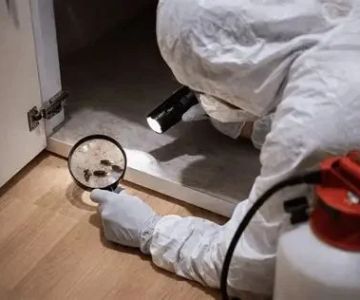
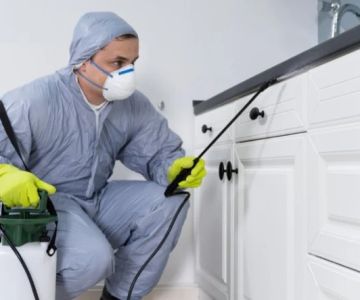
 Deloach Exterminating4.0 (17 reviews)
 Team Veterans Pest Control5.0 (448 reviews)
 Carolina Coastal Pest Management0.0 (0 reviews)
 NexPro Pest Control, LLC5.0 (44 reviews)
 Orkin4.0 (583 reviews)
 Advanced Pest Control5.0 (1 reviews)
 Indoor Pest Moisture Check: Leaks, Drains, and Damp Areas
 Pest Control Follow-Up: Activity, Repairs, and Records
 Pest Control Repair Estimate: Compare Scope, Not Price Alone
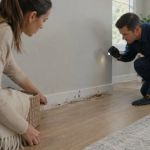 Pest Control Access Plan: Clear the Area Without Hiding Damage
 Pest Sighting Log: Record Place, Time, and Pattern
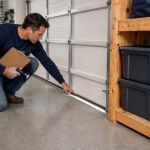 Garage Pest Entry Check: Doors, Boxes, and Food Sources