Pest Control Follow-Up: Activity, Repairs, and Records
On this page
Quick answer
Before a pest-control follow-up, compare current sightings with the original log, photograph new evidence without disturbing it, and list repairs or moisture problems that remain. Keep children and pets away from treatment areas, preserve labels and service records, and ask what improvement is expected next. Do not add pesticides unless the product label and professional plan allow it.

Review the treatment plan
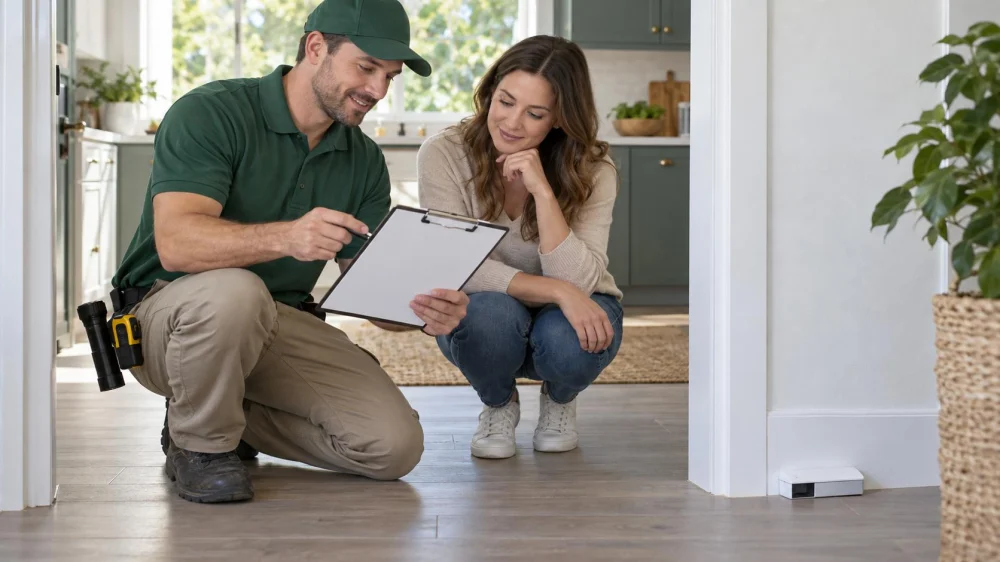
Read the service report before the return visit. Identify the pest named, areas inspected or treated, products or devices used, preparation and reentry instructions, repairs assigned, and the expected follow-up interval. Keep the label information and company contact details together.
A good follow-up measures progress against a defined plan. A single sighting may matter differently depending on the pest, the original activity level, and where it occurred.
Team Veterans Pest Control
Mount PleasantCharleston CountySouth Carolina
1385 Classic Ct Unit 234, Mt Pleasant, SC 29466, USA
Compare pest activity
Update the log with dates, times, rooms, approximate counts, and whether evidence was live pests, droppings, damage, sounds, shed skins, or trap activity. Photograph from a safe distance and mark the location on a simple room sketch.
Do not handle unknown insects, nests, droppings, or dead wildlife simply to document them. Ask the technician how they distinguish fresh evidence from older evidence and which monitoring points should remain undisturbed.
Check repairs and attractants
Walk through the agreed prevention items: food in tight containers, garbage covered, spills cleaned, leaks repaired, standing water removed, and entry gaps assessed. Note whether a repair is finished, temporary, or still waiting for a qualified trade.
The EPA's integrated pest management principles emphasize monitoring, correct identification, prevention, and choosing control methods according to risk. EPA smart pest-control guidance also highlights removing food, water, and shelter.
Prepare safe access
Confirm which rooms, cabinets, crawl spaces, attics, or exterior areas must be reached. Move only the items requested, and do not erase evidence or expose wiring, insulation, contamination, or structural hazards. Tell the provider about pets, children, pregnancy, allergies, respiratory concerns, aquariums, and inaccessible areas.
Ask for written instructions if occupants must leave, cover food, ventilate, or wait before reentry. Product-specific label directions and the provider's lawful instructions control these details.
Ask specific follow-up questions
- Does the evidence show improvement, persistence, or a new pest?
- Which monitors or traps should remain, move, or be replaced?
- Which gaps, leaks, or sanitation items have the highest priority?
- What result and time frame should trigger another call?
- What are the product names, active ingredients, treated locations, and reentry rules?
- Is any work outside the current scope or guarantee?
Important safety limits
Never mix products, use more than a label permits, or place pesticides where children, pets, food, or water may contact them. Do not enter unsafe attics, crawl spaces, roofs, electrical areas, or contaminated zones. Suspected pesticide exposure should be handled through emergency services or Poison Control as appropriate.
Frequently asked questions
Does one pest after treatment mean failure?
Not necessarily. Ask how the pest's life cycle, treatment type, and monitoring period affect the expected result.
Should I clean before the visit?
Follow the written preparation instructions. Routine sanitation helps, but removing traps, residues, or evidence can make assessment harder.
Can I seal every gap immediately?
Confirm timing with the professional. Some activity should be assessed first, and structural, utility, or ventilation openings may need suitable materials and skilled repair.
What records should I keep?
Keep contracts, inspection notes, product information, invoices, photos, activity logs, preparation instructions, and repair receipts.
Sources and evidence notes
This planning guide draws on EPA integrated pest management and health-protection guidance. It focuses on monitoring, prevention, communication, and label compliance rather than prescribing a pest-specific treatment.
Next steps
Update the activity log, gather service records, and mark unfinished repair or moisture items. Confirm access and safety instructions before the visit, then leave with a written assessment, responsibilities, and a clear trigger for the next contact.

 Deloach Exterminating4.0 (17 reviews)
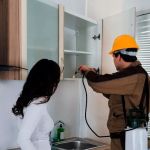 Team Veterans Pest Control5.0 (448 reviews)
 Carolina Coastal Pest Management0.0 (0 reviews)
 NexPro Pest Control, LLC5.0 (44 reviews)
 Orkin4.0 (583 reviews)
 Advanced Pest Control5.0 (1 reviews)
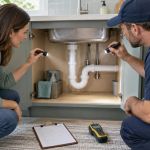 Indoor Pest Moisture Check: Leaks, Drains, and Damp Areas
 Pest Control Follow-Up: Activity, Repairs, and Records
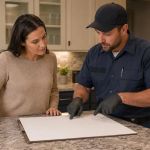 Pest Control Repair Estimate: Compare Scope, Not Price Alone
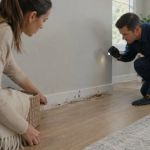 Pest Control Access Plan: Clear the Area Without Hiding Damage
 Pest Sighting Log: Record Place, Time, and Pattern
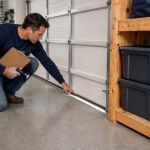 Garage Pest Entry Check: Doors, Boxes, and Food Sources