
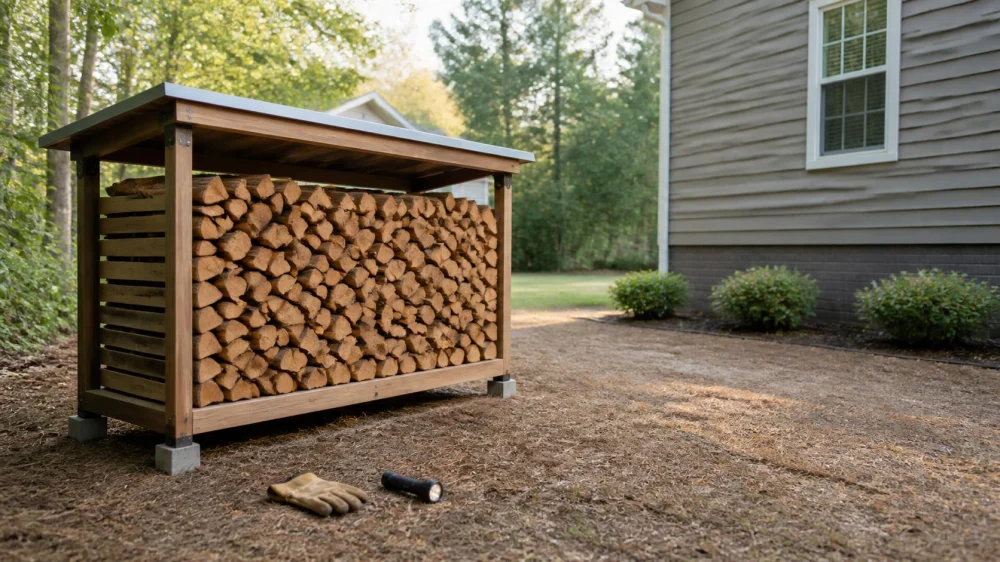
Firewood Pest Prevention: Store, Inspect, and Bring In Less
On this page
Quick answer
Store firewood in a dry, stable location permitted by local fire rules and separated from the home and other vulnerable structures. Keep the stack off soil when practical, allow air movement, rotate older wood first, and inspect each piece before carrying it indoors. Bring in only a short-use supply, keep loose bark and debris contained, and move suspicious wood back outside instead of spraying it indoors.

Mosquito & PEST Authority of the Lakelands
Ninety SixGreenwood CountySouth Carolina
108 N Main St, Ninety Six, SC 29666, USA
Why firewood can move pests toward a home
Bark, cracks, moisture, soil contact, and undisturbed spaces can shelter insects, spiders, rodents, or other organisms. Most activity found in a woodpile does not prove a building infestation, but placing wood against walls or storing large amounts indoors can shorten the route into living space. Drying, distance, inspection, and stock rotation are practical controls.
This guide addresses household firewood storage in the United States. Pests, fire codes, property rules, weather, wildlife, invasive-species restrictions, and safe clearances vary by location. Follow local authorities, fire services, extension guidance, forestry rules, and the wood-burning appliance manufacturer for the specific property.

What to inspect around the woodpile
- Where the wood came from, whether moving it across county or state lines is restricted, and whether local guidance recommends buying and burning locally.
- The permitted distance from buildings, fences, utilities, ignition sources, vegetation, property lines, and emergency access routes.
- Drainage, sunlight, airflow, ground contact, stack stability, cover design, roof runoff, snow, and access for safe lifting.
- Loose bark, frass or sawdust-like material, holes, mud tubes, webbing, droppings, gnawing, nests, live insects, moisture, or decay.
- Gaps in nearby siding, foundations, doors, windows, vents, screens, utility penetrations, and other routes into the structure.
- How much wood is used in a short period, where the temporary indoor holder sits, and how bark, ash, and debris are contained.
- Children, pets, allergies, mobility needs, lifting limits, sharp edges, splinters, falling logs, and personal protective equipment.
Store and move firewood step by step
- Check local fire and invasive-species rules, then choose a dry site with the required separation from structures and hazards.
- Use a stable rack or base suited to the load, keep the pile organized, and cover the top without trapping moisture around every side.
- Stack manageable pieces so air can move and the pile cannot roll, lean, block drainage, or create an unsafe climbing area.
- Rotate older dry wood first and periodically inspect the pile, ground, cover, and nearby building exterior for changing activity.
- Before carrying a piece indoors, look over bark and cut ends outdoors, brush off loose debris, and set suspicious pieces aside.
- Bring in only the amount expected to be burned soon and use a clean, stable holder away from heat and escape routes.
- Vacuum or contain stray debris according to the pest and surface, record recurring signs, and ask a qualified professional when identification is uncertain.
Note the wood source and date, local movement guidance checked, stack location, approximate volume, cover and base condition, moisture or decay, signs observed, nearby entry gaps, indoor quantity, and corrective work. Photos from the same angles can show whether holes, debris, or structural conditions are changing.
Treatment, fire, and structural limits
Do not apply pesticides, fuels, household chemicals, or unapproved coatings to firewood intended for burning. Burning treated, painted, contaminated, or prohibited wood can create serious hazards. A surface insect does not identify a species or show that structural wood is infested. Do not dismantle an unstable pile, disturb stinging insects, handle wildlife, or enter an unsafe crawlspace without appropriate help.
Keep people and pets back and contact an appropriate professional for a large stinging-insect nest, aggressive wildlife, unstable pile, widespread rodent contamination, or uncertain pesticide exposure. Arrange a pest or structural inspection when activity appears in the building, damage is growing, or wood-destroying insects are suspected. Call emergency services for fire, severe allergic reaction, breathing difficulty, collapse, or another immediate danger.
Frequently asked questions
How far should firewood be from the house?
Use the clearance required by local fire and property rules and suited to the site. A universal number cannot account for every code, climate, and structure.
Should firewood be completely wrapped?
Usually the goal is to keep rain off while allowing drying air, but use local guidance and a cover method safe for the stack and climate.
Can I spray insects on logs before burning them?
Do not apply a pesticide unless its label specifically permits that exact use, and do not burn treated or contaminated wood.
Is a small insect on one log an infestation?
Not by itself. Photograph or safely collect the evidence when appropriate, inspect the broader area, and obtain reliable identification before choosing a response.
How much firewood should stay indoors?
Keep only a short-use supply consistent with local fire rules, appliance guidance, available space, and how quickly the household burns it.
Sources and evidence
Use local fire authorities and property rules for storage clearance and fuel safety, and state agriculture, forestry, or extension sources for invasive-pest and firewood-movement guidance. Use the appliance manufacturer's instructions for acceptable fuel. For treatment decisions, rely on a properly licensed pest professional and the complete product label for the exact site and use.
Conclusion and next steps
Choose a lawful dry storage site, keep the stack stable and separated, rotate stock, and inspect wood outdoors before bringing in a small supply. Record repeated signs instead of guessing at the pest, and use qualified help for building activity or hazardous nests. The objective is dry usable fuel with fewer sheltered routes from the pile to the home.




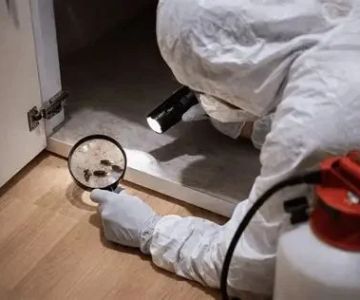

 That Bug Guy pest control5.0 (33 reviews)
 Peconic Pest Control Inc5.0 (99 reviews)
 ABLE Pest Control5.0 (9 reviews)
 American Pest4.0 (319 reviews)
 Terminix4.0 (334 reviews)
 Northwest Exterminating - Peachtree Corners4.0 (141 reviews)
 How to Evaluate Pest Control Technologies Effectively
 How to Track Pest Control Efficiency Year Over Year
 Wasp Nest Near a Door: Create Distance and Plan Safe Removal
 How to Protect Your Home from Cockroaches in Hot Weather
 Pet Food Storage for Pest Prevention: Seal, Portion, Clean, and Monitor
 How to Keep Pest Control Efficient Year After Year