Outdoor Trash Bin Pest Prevention: Seal, Clean, Drain, and Place
On this page
Quick answer
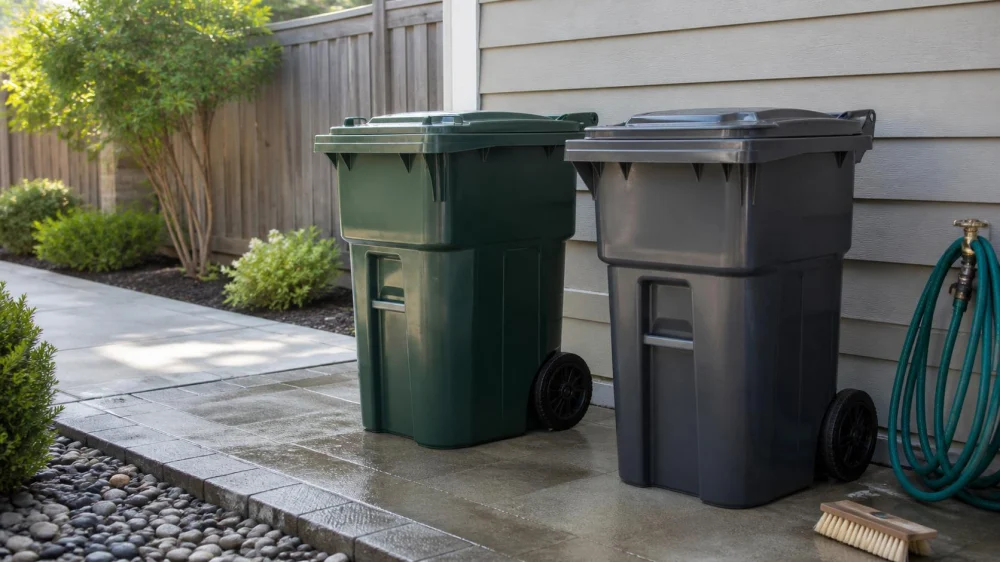
Reduce pest access to outdoor trash by bagging wet waste, closing every lid, cleaning spills, keeping the bin dry, and placing it on a stable washable surface where local rules allow. Repair cracked lids or wheels, trim vegetation away, and coordinate pickup so containers are not overfilled. Do not leave rinse water pooled, combine unknown pesticides with cleaning products, or create runoff toward storm drains.
Why it matters
Food residue, moisture, odors, torn bags, open lids, and nearby cover can attract flies, rodents, ants, wasps, and wildlife. A repeatable storage and cleaning routine removes several attractants at once.
This United States property guide is general. Municipal storage rules, wildlife, weather, drainage, waste services, accessibility, and shared-container responsibilities vary. Follow local requirements and product labels.
Gaynor Services LLC Pest Control And Construction
Lexington ParkSt. Mary's CountyMaryland
21636 Liberty St Unit 1701, Lexington Park, MD 20653, USA
Practical checklist
- Check lid closure, hinges, wheels, cracks, drain plugs, and animal damage.
- Bag food waste securely and keep liquid out of the container when possible.
- Remove residue from lid edges, handles, ground, and enclosure.
- Choose a stable location away from doors and climbable objects when permitted.
- Keep nearby vegetation trimmed and remove standing water.
- Confirm pickup schedule, overflow plan, and responsibility for shared bins.
- Track recurring pest signs before choosing controls.
Step-by-step plan
- Empty the bin fully on collection day and inspect seams, lid edges, and the pad.
- Wear appropriate gloves and follow local guidance for cleaning and wastewater disposal.
- Use the least hazardous suitable cleaner as labeled; never mix cleaning chemicals.
- Scrub residue, rinse only as needed, and direct wastewater to an approved sanitary route rather than a storm drain.
- Let the bin drain and dry before installing a bag or closing it for storage.
- Bag waste, avoid overfilling, and confirm the lid closes without pressure from contents.
- If activity continues, document tracks, droppings, gnawing, entry routes, and timing for a pest professional.
Log pickup dates, overflow, lid or wheel repairs, cleaning, drainage, waste spills, pest signs, wildlife access, photos, neighbor or property-manager reports, and service calls.
Limits and warning signs
A tight lid cannot compensate for waste left beside the bin or nearby water and shelter. Repellents and pesticides may be restricted, can harm non-target animals, and do not replace sanitation and exclusion.
Contact waste service or property management for damaged containers, repeated overflow, unsafe dumping, or shared-site sanitation. Use a licensed pest professional for persistent rodents, stinging insects, or wildlife; avoid direct contact with droppings or aggressive animals.
Frequently asked questions
Should I drill drainage holes in a trash bin?
Not without owner or municipal approval; holes can leak residue and provide pest access.
Can I wash residue into the street drain?
Avoid storm-drain discharge and follow local wastewater rules.
Where should the bin sit?
Use a stable, cleanable site that meets local setback and access rules and does not block exits.
Will scented liners stop pests?
They are not a substitute for sealed bags, a closed lid, cleanup, dry conditions, and repairs.
Sources and evidence
The guide uses sanitation, exclusion, moisture control, and integrated pest management principles: secure waste, maintain lids, clean residues, prevent standing water, follow drainage rules, and document persistent activity.
Conclusion and next steps
Inspect the bin and pad, repair closure problems, bag wet waste, clean spills safely, dry the container, and keep the lid shut. Escalate recurring activity with observations rather than adding unplanned chemicals.



 Donna's Pest Control5.0 (8 reviews)
 Green Tech Heat Solutions0.0 (0 reviews)
 Essential Pest Control4.0 (19 reviews)
 Moyer4.0 (556 reviews)
 Bug Busters LLC4.0 (182 reviews)
 TNR Exterminators5.0 (5 reviews)
 How to Keep Pests Out of Roof Overhangs – Effective Tips and Solutions
 How Pest Control Practices Vary State to State in the U.S.
 How to Deal With Pest Infestations Near Water Features
 How to Safely Relocate Wildlife (Skunks, Opossums, Birds): A Comprehensive Guide
 How to Address Pest Infestation in Attic Spaces: A Complete Guide
 How to Remove Wasps Without Getting Stung: Safe and Effective Methods