
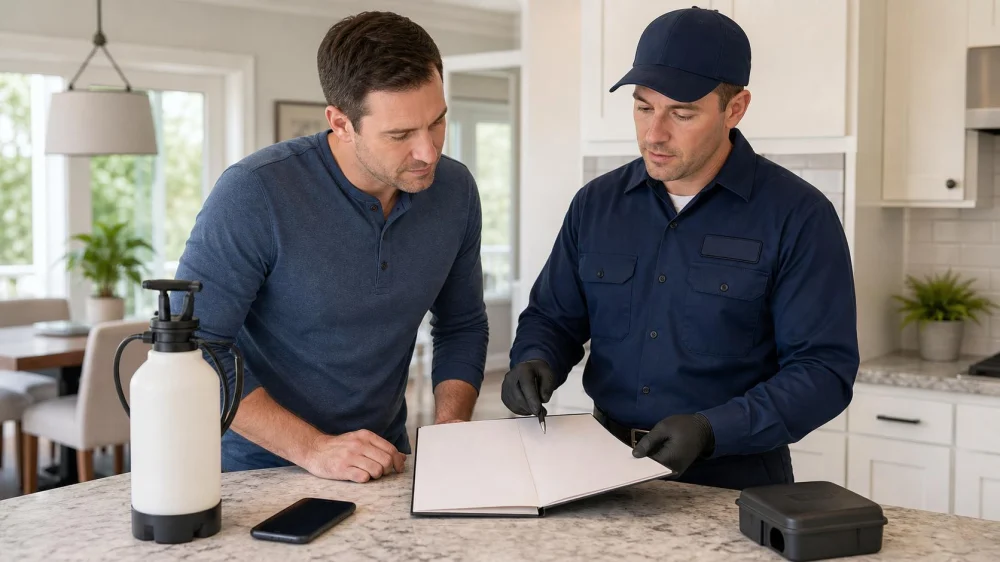
Pest Control Treatment Record: What Homeowners Should Save
On this page
Quick answer
For every pest treatment, save the target pest, inspection findings, treated locations, service date and time, company contact, product name and EPA registration number when a pesticide is used, label or safety notice, preparation and reentry instructions, follow-up plan, and invoice. Add dated photos and pest sightings afterward. Keep original labels and never rewrite safety directions from memory.
This record-keeping guide is for US households. It does not replace the pesticide label, service agreement, medical advice, or state and local requirements.

got bugs? Termite and Pest Solutions
1595 Peachtree Pkwy suite 204-106, Cumming, GA 30041, USA
Why keep a treatment record
A pest control treatment record connects a problem, an intervention, and the result. It helps residents know which rooms were treated, when children and pets may return, what follow-up is expected, and whether pest activity is declining. It also gives a future technician facts instead of an uncertain history.
Good records prevent accidental repetition. Without a product name or service date, a resident may apply another product too soon, clean away a bait, or enter an area before the stated interval ends. The US Environmental Protection Agency emphasizes that pesticide labels explain safe use, storage, first aid, and contact information.
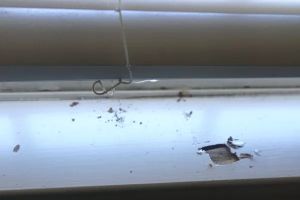
Record before treatment
Create one folder for the address and one page for each pest issue. Before a visit, record:
- the suspected pest, without claiming certainty if it has not been identified;
- dates, times, and exact locations of sightings;
- photos, captured specimens, droppings, damage, or other evidence;
- food, water, moisture, clutter, gaps, and other conditions observed;
- children, pets, pregnancy, allergies, asthma, aquariums, gardens, or sensitive belongings the company should know about;
- products already used, including date, location, amount, and label name;
- questions about preparation, access, ventilation, cleaning, and follow-up.
Do not stage evidence in a way that creates exposure. Photograph suspected rodent waste without sweeping or vacuuming it. Keep people and pets away from stinging insects, unknown powders, damaged bait stations, and wildlife.
Save on service day
- Confirm the target and scope. List rooms, exterior zones, cracks, traps, baits, and monitoring devices addressed.
- Record who performed the work. Save the business, technician name or identifier, phone number, license details when applicable, and arrival time.
- Identify each product. Capture the product name, active ingredient if provided, EPA registration number, formulation, and treatment location.
- Save the instructions. Photograph or download the applicable label and keep the company's preparation, ventilation, cleaning, and reentry notice.
- Mark physical devices. Map trap, monitor, and bait-station locations so they are not moved or discarded accidentally.
- Document exceptions. Note rooms not entered, areas not treated, inaccessible voids, weather delays, and changes from the estimate.
- Confirm next action. Record the follow-up date, expected signs, warranty or callback terms, and the threshold for contacting the company sooner.
Ask for clarification before the technician leaves. “Stay out for a while” is not a useful record. You need the exact area, condition, and time stated by the label and service notice. Keep the original wording.
Track after treatment
Start a simple log with date, time, room, pest or sign, quantity, and photo number. Use consistent locations such as “kitchen—under sink” rather than “downstairs.” Note whether a trap was triggered or a monitor was moved, but do not disturb equipment unless instructed.
Also record leaks repaired, food sealed, gaps closed, clutter removed, or other preventive actions. This separates treatment effects from environmental changes. The EPA recommends fixing moisture, removing food and water sources, reducing clutter, and closing pest entry and hiding places as part of control.
Do not expect every method to produce instant zero activity. Ask the provider what pattern is expected for the identified pest and method. Contact the company early if activity appears in a new area, devices are damaged, instructions conflict, or someone may have contacted a pesticide.
If an exposure or incident occurs
Keep people and pets away from the area and use the first-aid and emergency directions on the product label. Have the product container or label available when contacting emergency services, Poison Control, a veterinarian, the manufacturer, or the pesticide authority identified for your situation. Do not induce vomiting or apply an improvised remedy unless directed by qualified guidance.
Record the time, route of possible exposure, symptoms, product, treatment location, and actions taken. Preserve packaging and service documents safely. For urgent breathing difficulty, collapse, seizure, severe eye exposure, or other serious symptoms, seek emergency help immediately.
Limits and privacy notes
A service invoice may not contain every safety detail, and a safety data sheet does not replace the pesticide label. Keep all documents but treat the label as the controlling use direction. Do not copy a neighbor's treatment plan; product, pest, site, and residents can differ.
Remove door codes, payment card details, children's names, and unrelated medical information before sharing a record with a landlord, buyer, or new contractor. Preserve the original private copy. Rental responsibilities, disclosure rules, and record requirements vary by state and lease.
FAQ
Where do I find an EPA registration number?
It appears on the pesticide label when the product is EPA-registered. Ask the provider to identify it; do not confuse it with a lot number or company phone number.
Should I save empty pesticide containers?
Follow the label for storage and disposal. Save clear photos or a copy of the label and registration number, but do not keep an unsafe empty container solely for records.
Can I clean treated surfaces immediately?
Only according to the label and provider's written instructions. Cleaning too soon can remove some treatments; failing to clean a required surface can also be unsafe.
How long should I keep the record?
Keep it through the treatment, warranty, and any related property or health follow-up. State rules, leases, or professional advice may require longer retention.
What if the provider will not name the product?
Ask a manager for the service record and applicable safety information. Requirements vary, so contact the relevant state pesticide regulator if you cannot obtain necessary details.
Sources and evidence
The EPA explains why residents should read and retain pesticide label information and provides broader pest-control do's and don'ts. These official resources support the label-first, prevention-focused approach used here.
Next steps
Create a dated folder before the next inspection. Save the evidence log, exact service scope, products and labels, entry instructions, and follow-up plan. After treatment, add sightings and preventive repairs without changing or combining products on your own.



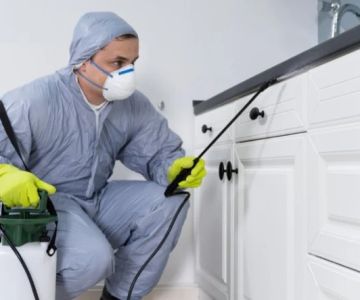
 Superior Pest Solutions4.0 (58 reviews)
 North GA Wildlife0.0 (0 reviews)
 A-Academy Termite & Pest4.0 (55 reviews)
 Viking Pest Control4.0 (808 reviews)
 CroppMetcalfe4.0 (1974 reviews)
 Fox Pest Control Chesapeake4.0 (3660 reviews)
 Pest Control Reentry Time: Follow the Label and Notice
 How to Prevent Pest Return During Rainy Periods
 How to Treat Pest Infestations in Attic Insulation
 How to Use Granular Treatments Around Foundations for Effective Pest Control
 How to Prevent Pest Return After Treatment Effectively
 How Pest Control Practices Vary State to State