
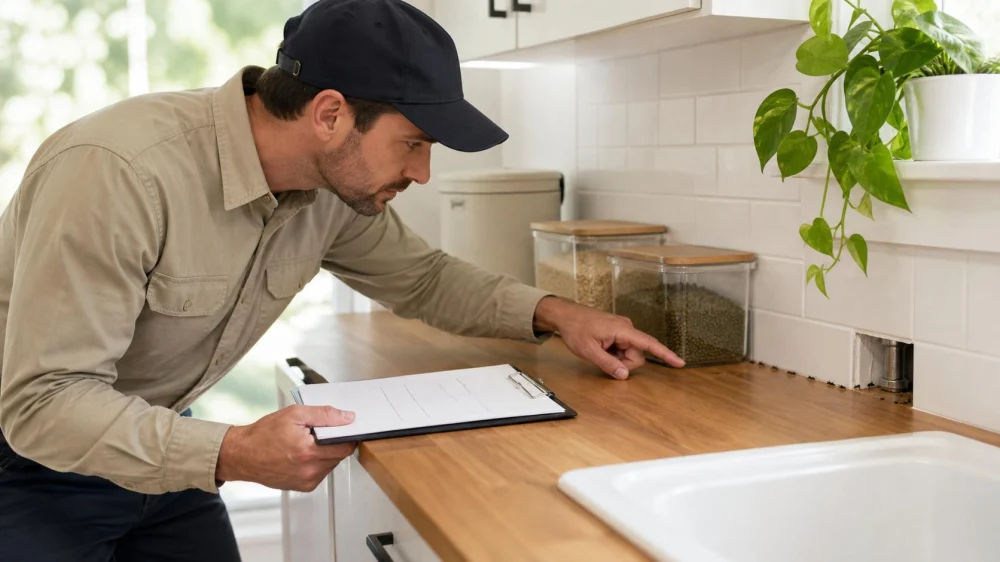
Ant Trail in the Kitchen: Remove Food Routes and Find Entry Points
On this page
Quick answer
For an ant trail in the kitchen, first photograph and map where ants enter, travel, feed, and disappear. Then clean crumbs and spills, seal food, empty and wash trash or recycling, repair moisture sources, and reduce clutter. Follow the trail toward gaps around windows, doors, counters, cabinets, pipes, and exterior vegetation. Monitoring and identification make treatment more precise.
Avoid spraying a random chemical across food-preparation surfaces or combining pest products. If you use a pesticide, select one labeled for the target pest and location, then follow every label direction. Keep children and pets away as the label requires.
745 Pest Solutions
Lost CreekHarrison CountyWest Virginia
116 Washington Dr, Lost Creek, WV 26385, USA
Observe before cleaning
Watch the trail briefly without touching it. Note the time, room, approximate number of ants, direction of travel, food or moisture source, and likely gap. Take a clear close photo without risking a bite or sting. Check behind small appliances, beneath sink rims, at plumbing penetrations, along backsplash seams, inside lower cabinets, and near pet bowls.
Do not assume every small ant has the same nest or control method. Color and size alone may not identify the species. Save one specimen only if a pest professional requests it and gives safe collection instructions. Mark sightings on a simple floor plan so you can compare activity after sanitation or treatment.
Massey Services Pest Control
WarrenvilleAiken CountySouth Carolina
3294 Augusta Rd, Warrenville, SC 29851, USA
Remove food, water, and shelter
- Move pantry goods into clean, tightly closed containers; inspect packages for spills or pests.
- Wipe counters, appliance edges, cabinet shelves, and floor junctions with the surface-appropriate cleaner.
- Rinse recyclable cans and food containers before indoor storage.
- Empty trash, wash residue from the bin, and keep its lid closed.
- Feed pets on a schedule when practical; clean crumbs and follow veterinary guidance before changing water access.
- Repair drips, dry sink areas, and investigate condensation or damaged wood.
- Reduce paper bags, cardboard, and clutter that hide routes or make inspection difficult.
Sanitation may not eliminate a nest, but it removes competing food and reveals whether the chosen control is changing activity.
Trace and close entry routes
Inspect both sides of the suspected entry point. Check door sweeps, screens, sill gaps, cable and pipe openings, foundation joints, and branches touching the structure. Seal confirmed gaps with a material suited to the surface and building conditions. Repair screens and moisture damage. Trim vegetation so it does not bridge directly to the building.
Do not seal an opening blindly if it may contain stinging insects, electrical hazards, or a large hidden infestation. In apartments or attached buildings, record the location and notify management because the route may cross another unit or a shared wall.
Choose control carefully
The U.S. Environmental Protection Agency describes integrated pest management as monitoring and identifying pests, preventing access to food, water, and shelter, and choosing effective lower-risk controls before broader treatment. See the EPA introduction to integrated pest management.
If nonchemical steps do not bring activity below an acceptable level, ask a licensed professional about species-specific baiting or targeted crack-and-crevice treatment. A bait can fail when it is placed off the active route, contaminated, removed too soon, or unsuitable for the species. Never move a professional bait station, place pesticide where food or utensils contact it, or use an outdoor product indoors. The label is the legal use direction.
Kitchen ant checklist
- Trail, time, direction, and count recorded
- Close photo captured for identification
- Food sealed and spills removed
- Trash, recycling, and pet-feeding areas cleaned
- Leaks and condensation checked
- Entry gaps and exterior bridges inspected
- Any pesticide label matched to pest and site
- Children, pets, food, and utensils protected
- Activity rechecked on the same route and schedule
Limitations
This guide cannot identify an ant species or hidden nest from a trail alone. Some ants sting, damage wood, or spread through multiunit buildings, and some infestations require professional inspection. Product availability, pesticide rules, and label directions vary. The product label and local requirements control.
FAQ
Should I erase the trail immediately?
Record its route first, then clean food residue. If bait is being used, follow its label or the professional’s instructions because disrupting a route can affect placement.
Why do ants return after cleaning?
The nest, entry gap, moisture source, or an overlooked food source may remain. Continue monitoring instead of treating one sighting as proof of success.
Can I spray the counter?
Only use a product whose label specifically allows that site and follow food-contact cleanup directions. Never improvise.
When should I call a professional?
Call for persistent activity, uncertain identification, stinging ants, suspected carpenter ants, inaccessible nests, multiunit spread, or when safe label-compliant control is unclear.
Evidence notes
EPA guidance supports prevention by removing food, water, and shelter, sealing entry points, monitoring, identifying pests, and preferring targeted lower-risk controls. For the individual home, the strongest evidence is a dated sighting log, photos, an entry map, moisture findings, product labels, and before-and-after activity counts.
Conclusion
A kitchen ant trail is useful evidence, not just a nuisance to wipe away. Map it, remove attractions, correct moisture and access, identify the pest, and use only targeted label-compliant control. Recheck the same places to learn whether the plan actually worked.



 Nick's Pest Control LLC4.0 (14 reviews)
 Alta Pest Control4.0 (1207 reviews)
 Red Coat Pest Solutions4.0 (62 reviews)
 Essential Pest5.0 (12 reviews)
 Bug Off Pest Control4.0 (4 reviews)
 Bug Guy Pest Control5.0 (6 reviews)
 How to Use Smart Sensors for Insect Detection | Technology for Pest Control
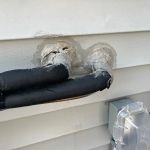 How to Seal Entry Points Around Piping: Effective Methods for Home Protection
 What Happens During a Professional Pest Control Visit
 How to Prevent Pest Return After Treatment: Effective Strategies
 Pantry Moths or Beetles? Inspect Stored Food Safely
 How to Prevent Pest Ingress Around Foundations