

Pest Control Estimate: Compare Target, Scope, Visits and Warranty
On this page
Quick answer
A useful pest control estimate identifies the target pest and evidence, inspection areas, contributing conditions, prevention steps, treatment locations, methods, products, preparation, reentry, visits, monitoring, success criteria, exclusions, price, renewal, and warranty. Compare the same scope across providers, verify current licensing with the proper state or local authority, and require all pesticide use to follow the product label and applicable law.
Confirm the target pest
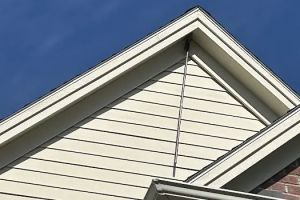
A price to “spray the house” is not a complete pest management plan. Ask what organism was identified, what evidence supports the identification, where activity was found, and what remains uncertain. A photo, specimen, droppings, damage, sound, or bite alone may not always confirm the source.
Map observed and inspected areas. Record live pests, cast skins, wings, nests, trails, entry gaps, moisture, food, shelter, structural damage, and monitoring devices. Ask whether another specialist is needed for wildlife, termites, wood damage, mould, electrical hazards, contaminated insulation, or building repair.
Clarify the service goal: elimination, reduction below an action threshold, exclusion, monitoring, seasonal prevention, or protection of a specific structure or item. Different goals require different follow-up.
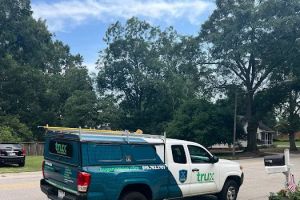
TruX Pest Control
ClaytonJohnston CountyNorth Carolina
25 Plantation Dr Suite 101, Clayton, NC 27527, USA
Map the treatment scope
Separate inspection, sanitation, exclusion, repair, physical removal, trapping, heat, vacuuming, monitoring, baits, dusts, liquid applications, and other methods. Identify rooms, cracks, voids, exterior zones, landscaping, rooflines, attics, crawlspaces, furniture, vehicles, or outbuildings included and excluded.
Ask which food, water, shelter, and entry conditions must be corrected by the owner, landlord, contractor, or pest professional. Put each responsibility and deadline in writing. Treatment without access or prevention may not address the cause.
For multi-unit properties, ask whether adjacent units, shared walls, utility routes, common areas, or property management require coordination. Do not enter or treat another unit without authority.
Review products and precautions
Before pesticide use, request the product name, active ingredient, EPA registration number when applicable, target pest, application site, method, label, and safety data information. The product label controls where, how, how much, and by whom a pesticide may be used.
Confirm preparation, occupancy, ventilation, food and utensil protection, aquarium and pet precautions, plant protection, reentry, cleaning, and emergency instructions from the label and provider. “Pet-safe” or “green” is not a substitute for specific label directions and risk information.
Tell the company about children, pregnancy, respiratory sensitivity, pets, fish, reptiles, birds, pollinators, edible gardens, wells, drains, medical devices, and other relevant conditions. Ask how the plan changes, but use qualified medical or veterinary advice for individual health questions.
Compare visits, price, and warranty
List the initial visit, follow-up visits, monitoring, materials, exclusion, repairs, disposal, taxes, emergency service, and renewal separately. Ask whether the price is fixed, per visit, per device, per area, or conditional on findings.
Define the visit schedule and what happens at each appointment. A lower quote may include one application while another includes inspection, prevention, multiple visits, and documentation.
Read the warranty or service guarantee for covered pests, property, start and end dates, required owner actions, response time, included callbacks, retreatment limits, exclusions, transfer, cancellation, automatic renewal, and refund terms. A warranty should not be treated as a promise that no pest will ever appear.
Verify the business and applicator credentials required in your jurisdiction, insurance, complaint history through appropriate agencies, and subcontractor responsibility. Do not rely only on a sales badge or website claim.
Estimate checklist
- Target pest and evidence documented.
- Inspection areas and uncertainties mapped.
- Goal and success criteria defined.
- Prevention, exclusion, and owner tasks assigned.
- Methods, locations, and products itemised.
- Label-based preparation and precautions supplied.
- Visits, monitoring, and reporting scheduled.
- Price, renewal, and cancellation separated.
- Warranty coverage and exclusions explained.
- Current credentials verified officially.
Limitations and urgent issues
This article does not identify a pest, prescribe a pesticide, interpret a contract, or provide medical, veterinary, environmental, or legal advice. Requirements vary by pest, product, property, jurisdiction, and occupant. For suspected pesticide poisoning, follow the product label and seek emergency or poison-control help immediately; do not wait for a routine contractor callback.
FAQ
Should I get more than one pest control estimate?
EPA recommends considering several estimates. Compare the same target, scope, visits, products, prevention, and warranty.
Is routine spraying always needed?
No universal answer applies. EPA's IPM approach starts with identification, monitoring, prevention, and choosing controls based on the situation.
What is an EPA registration number?
It identifies a registered pesticide product. Ask for the exact product and current label rather than guessing from an active ingredient alone.
Does a warranty cover every pest?
Usually not. Read the covered pest, property, conditions, dates, callbacks, exclusions, and renewal terms.
Evidence notes
EPA's service-selection guidance recommends time to evaluate providers and compare estimates. EPA's IPM guidance emphasises identification, monitoring, prevention, and appropriate control. EPA's label guidance explains that pesticide labels contain legally enforceable use and safety directions.
Next steps
Ask each company for the same one-page response: target evidence, map, methods, exact products, preparation, visits, success criteria, total price, and warranty. Verify credentials through the proper authority and compare line by line before authorising non-emergency work.



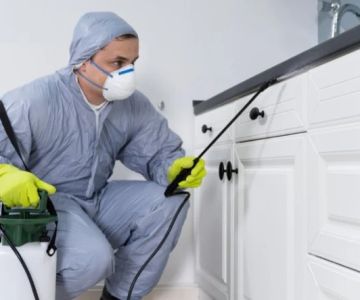
 Brinx Professional Pest Control4.0 (70 reviews)
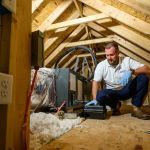 Lookout Pest Control4.0 (945 reviews)
 Metro Pest Control4.0 (15 reviews)
 Skeeter Shield5.0 (1 reviews)
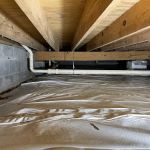 Quality Exterminators of Georgia Inc4.0 (300 reviews)
 Long Island Exterminator - Optimum Pest Control4.0 (160 reviews)
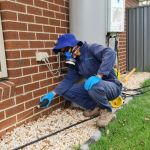 How to Prevent Pest Spread from Yard to House
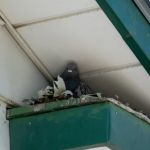 How to Prevent Bird-Related Pest Issues in Homes and Buildings
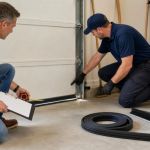 Garage Door Pest-Proofing Guide: Seal Entry Gaps
 How to Conduct a Pest Risk Assessment at Home – Expert Guide
 Why Pests Are More Active After Rain: Understanding the Link Between Weather and Pest Behavior
 How to Create a Pest-Resistant Garden