Rodent Droppings Cleanup: Disinfect First and Never Sweep Them Dry
On this page
Quick answer
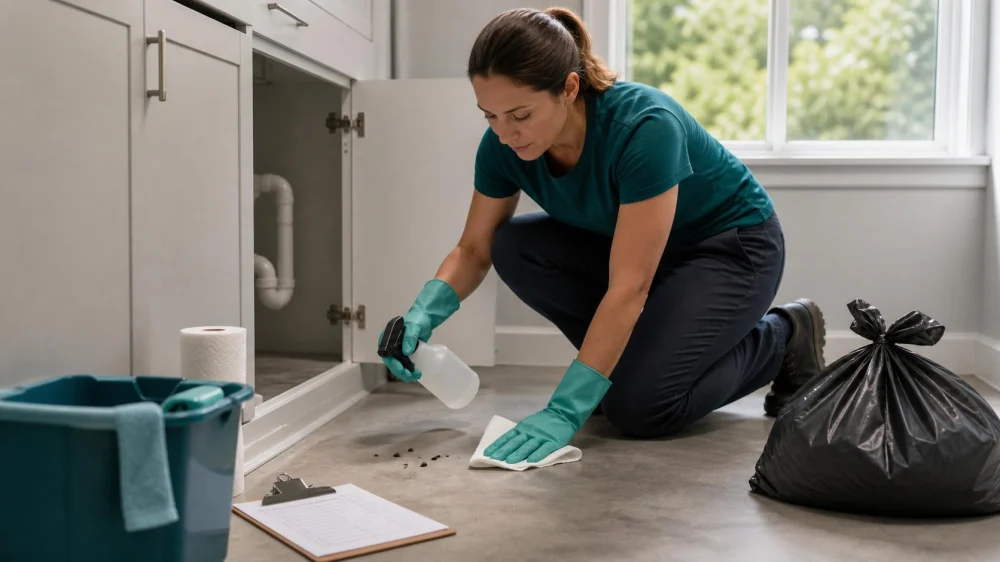
Do not sweep or vacuum dry rodent urine, droppings, or nesting material. The U.S. Centers for Disease Control and Prevention says to wear rubber or plastic gloves, soak the material thoroughly with a household product labeled as a disinfectant or the CDC-described fresh bleach solution, allow the specified contact time, wipe it up with paper towels, discard the waste, and disinfect the surrounding hard surface.
Heavy infestations, enclosed spaces, ventilation systems, occupied workplaces, and buildings vacant for long periods need additional precautions. Stop and seek local public-health or qualified cleanup advice rather than treating a large contaminated area as routine housekeeping.
Pestech Pest Solutions
East SyracuseOnondaga CountyNew York
6518 Basile Rowe, East Syracuse, NY 13057, USA
Assess before entering
Keep people and pets away from the area. From a safe distance, note the room, surface, quantity, nesting material, odors, gnaw marks, dead rodents, and access holes. Do not touch material to judge whether it is fresh. If a room has been closed, follow the current CDC ventilation instructions for that setting before cleanup.
Pause for expert guidance when contamination is extensive, inside ducts, above ceilings, within insulation, around food inventory, in a childcare or healthcare area, or in a space where a worker cannot ventilate safely. Anyone who becomes ill after rodent exposure should contact a healthcare provider and describe the exposure.

Mosquito Joe of South Charlotte
CharlotteMecklenburg CountyNorth Carolina
10721 John Price Rd, Charlotte, NC 28273, USA
Prepare safely
Read the complete CDC rodent cleanup guidance before starting. Gather rubber or plastic gloves, paper towels, garbage bags, and either an appropriate general-purpose disinfectant or the bleach solution currently specified by CDC. Read the disinfectant label for dilution, contact time, compatible surfaces, ventilation, and protective equipment.
Never mix bleach with ammonia, acids, or another cleaner. Prepare bleach solution fresh if that option is used. Protect food, dishes, and utensils. Keep the room ventilated in the manner CDC and the product label direct, but avoid using a fan that could blow dry contamination into the air.
Clean droppings step by step
- Put on rubber or plastic gloves before touching contaminated material or cleanup supplies.
- Spray urine and droppings until they are very wet with the chosen disinfectant.
- Leave the surface wet for the disinfectant label’s contact time; CDC specifies five minutes for its bleach method.
- Use paper towels to wipe up the soaked material without sweeping, brushing, or vacuuming.
- Place used towels in a covered garbage container that is emptied regularly, following local disposal rules.
- Mop or sponge the surrounding hard floors, counters, cabinets, and drawers with disinfectant.
- Wash gloved hands with soap and water or disinfect them before removing gloves.
- Remove gloves without touching the contaminated exterior, then wash bare hands with soap and warm water.
Carpets, upholstery, clothing, bedding, books, vehicles, dead rodents, nests, and storage areas have material-specific CDC instructions. Do not apply the hard-surface shortcut to them.
Check for continuing activity
Once the area is clean and dry, record the location and date. New droppings after safe cleanup can indicate continuing rodent activity. Inspect for holes around cabinets, pipes, doors, foundations, vents, and utility lines. Remove accessible food, water, and shelter, store food in rodent-resistant containers, manage trash, and use the CDC’s seal-up and trap-up guidance.
Do not handle traps or carcasses without following the applicable disinfection and disposal steps. A pest professional can assess inaccessible routes or recurring signs. In rental or shared property, notify the responsible manager in writing and keep photos and dates.
Cleanup checklist
- People and pets excluded from the area
- Extent and surface type assessed
- Heavy or unusual contamination referred for guidance
- Current CDC instructions and product label read
- Rubber or plastic gloves worn
- Material soaked instead of swept or vacuumed
- Required wet contact time completed
- Waste and surrounding surfaces handled correctly
- Hands washed after glove removal
- Entry, food, water, and shelter sources investigated
Limitations
This article is not a site-specific exposure assessment and cannot determine the rodent species, disease risk, respirator need, or cleanup method for every material. CDC recommends additional precautions for heavy infestation. Product labels, local health guidance, workplace rules, and property requirements may add steps.
FAQ
Can I vacuum droppings with a HEPA vacuum?
Do not vacuum or sweep untreated droppings. Follow CDC’s setting-specific instructions, especially for heavy infestation or professional remediation.
How wet should the droppings be?
CDC says very wet. Maintain the label or CDC contact time before wiping.
Can I reuse a cloth?
Disposable paper towels reduce handling. Follow CDC instructions for contaminated laundry and reusable items rather than improvising.
Does old-looking waste mean the rodents are gone?
No. Clean safely, then monitor for new evidence and inspect access, food, water, and shelter.
When should illness be reported?
Contact a healthcare provider if illness may follow rodent exposure and explain when and where the exposure occurred.
Evidence notes
CDC guidance is the controlling public-health reference used here: avoid dry sweeping or vacuuming, soak contamination with disinfectant, observe contact time, wipe, disinfect the surface, and wash hands. A household’s case evidence includes photos taken before disturbance, the room and surface, approximate extent, cleanup product and label, date, access gaps, and any new activity.
Conclusion
Safe rodent-waste cleanup begins by keeping contaminated dust out of the air. Assess the extent, use the current CDC method, disinfect before wiping, protect yourself, and then correct the food, water, shelter, and entry conditions that allowed rodents inside.


 Nick's Pest Control LLC4.0 (14 reviews)
 Alta Pest Control4.0 (1207 reviews)
 Red Coat Pest Solutions4.0 (62 reviews)
 Essential Pest5.0 (12 reviews)
 Bug Off Pest Control4.0 (4 reviews)
 Bug Guy Pest Control5.0 (6 reviews)
 How to Use Smart Sensors for Insect Detection | Technology for Pest Control
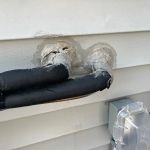 How to Seal Entry Points Around Piping: Effective Methods for Home Protection
 What Happens During a Professional Pest Control Visit
 How to Prevent Pest Return After Treatment: Effective Strategies
 Pantry Moths or Beetles? Inspect Stored Food Safely
 How to Prevent Pest Ingress Around Foundations