Rodent Droppings Cleanup Guide: Disinfect Without Stirring Up Dust
Table of contents
Quick answer
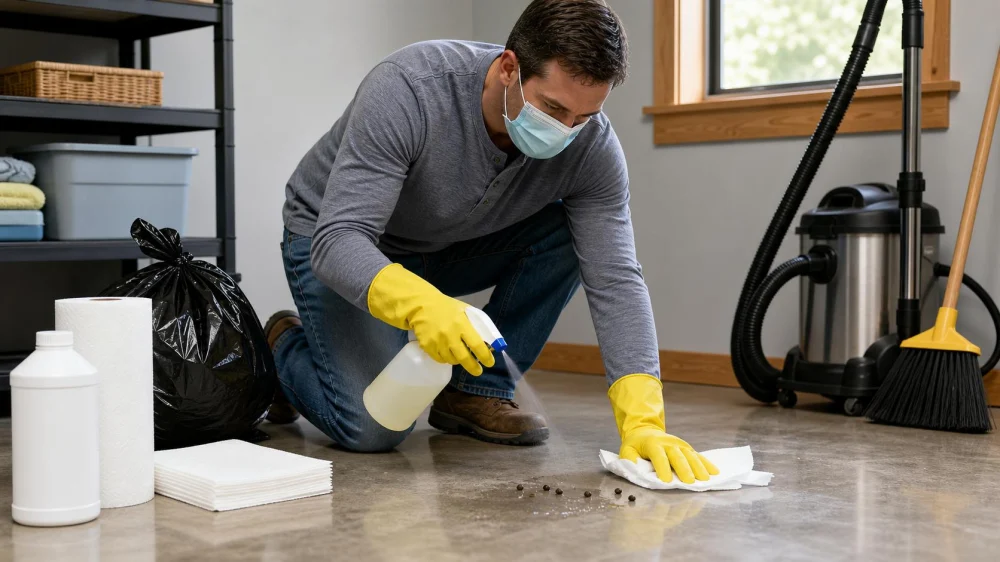
Do not sweep or vacuum dry rodent urine, droppings, or nesting material. Ventilate the space if appropriate, keep people and pets away, wear rubber or plastic gloves, then soak contamination with a labeled household disinfectant until very wet. Wait for the label contact time, wipe up with paper towels, disinfect the surface, discard waste, and wash hands thoroughly.
F&W Pest Control
WrenthamNorfolk CountyMassachusetts
200 Stonewall Blvd Suite 4, Wrentham, MA 02093, USA
What to do first
Pause before moving boxes or reaching into a cabinet. Dry disturbance can send contaminated particles into the air. Close access to children and pets, identify how extensive the signs are, and decide whether the space is safe for household cleanup.
For a small amount in an accessible area, follow public-health cleanup steps. A heavy infestation, contaminated ventilation system, inaccessible wall or attic nest, or large commercial space needs additional precautions and may require trained pest-control and remediation professionals.

Mosquito Joe of Morristown-Montclair
RutherfordBergen CountyNew Jersey
51 Chestnut St, Rutherford, NJ 07070, USA
Gather the right supplies
- Rubber or plastic gloves without holes.
- A general-purpose household product whose label says “disinfectant.”
- Paper towels or disposable wipes.
- Plastic trash bags and a covered garbage container.
- A mop or sponge reserved for the cleanup.
- Soap and clean running water for handwashing.
Read the disinfectant label before use. Follow its dilution, surface compatibility, contact time, ventilation, protective-equipment, storage, and disposal instructions. Never mix bleach with ammonia, acids, or other cleaners because dangerous gases can form.
Step-by-step cleanup
- If the space has been closed, follow CDC ventilation guidance appropriate to the building before cleaning.
- Put on intact rubber or plastic gloves.
- Spray urine and droppings with disinfectant until thoroughly wet.
- Let the surface remain wet for the label’s contact time; CDC specifies five minutes for its referenced bleach method.
- Use paper towels to pick up the wet material without sweeping.
- Place used towels in a covered garbage container that is emptied regularly.
- Mop or sponge the surrounding hard surface with disinfectant.
- Wash gloved hands before removing gloves, then wash bare hands with soap and warm water.
If you choose a freshly made bleach solution, use only a current public-health recipe and ordinary unscented household bleach of the stated concentration. A compatible ready-to-use disinfectant reduces mixing errors. More chemical is not more effective.
Handle different surfaces
Hard, nonporous floors, countertops, drawers, and shelves can generally be wet-cleaned with a compatible disinfectant. Test delicate finishes and follow the label. Do not spray energized electronics or porous materials indiscriminately.
Contaminated cardboard, insulation, papers, fabric, rugs, upholstered furniture, and vehicle interiors require material-specific handling. Some items can be laundered or steam-cleaned; others may need disposal. Consult current CDC instructions or a qualified remediation provider rather than creating aerosols with a household vacuum.
Prevent the next contamination
Cleanup removes evidence, not the infestation. After the area is safe, identify entry gaps, food, water, nesting material, and travel routes. Seal suitable holes with pest-resistant materials, store human and pet food in sturdy containers, clean spills, secure trash, and remove clutter.
Place traps only where children and pets cannot reach them and follow product directions. Avoid scattering poison without an inspection plan; rodents can die in inaccessible spaces, and baits can create exposure risks. A licensed professional can combine exclusion, trapping, sanitation, and monitoring.
Cleanup checklist
- Keep occupants and pets away from the area.
- Do not sweep, brush, or vacuum dry contamination.
- Read the disinfectant label completely.
- Wear rubber or plastic gloves.
- Wet contamination thoroughly and wait the required time.
- Wipe up with disposable towels.
- Disinfect the surrounding hard surface.
- Dispose of waste and wash hands correctly.
- Inspect and seal entry points after cleanup.
- Document recurring signs for a pest professional.
When to stop and call a professional
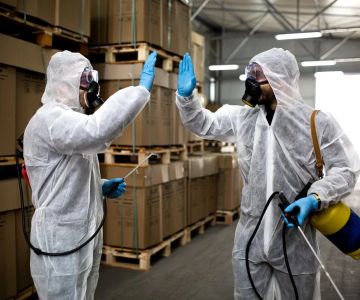
Seek professional help for heavy or widespread infestation, contamination in ducts, large nests, dead rodents in inaccessible voids, extensive porous-material damage, or a setting such as a school, food facility, healthcare space, or multifamily building. People who are immunocompromised or have respiratory concerns should obtain medical advice about exposure and cleanup roles.
If illness develops after rodent exposure, contact a healthcare provider and mention the exposure. For pesticide or disinfectant exposure, follow the product’s first-aid label and contact emergency or poison-control services as directed.
Evidence behind this guide
The U.S. Centers for Disease Control and Prevention instructs people not to sweep or vacuum rodent urine, droppings, or nests; instead, wet them with disinfectant, allow contact time, wipe, disinfect surfaces, and wash hands. The EPA emphasizes reading pesticide and disinfectant labels and using integrated pest management. See CDC rodent cleanup guidance and the EPA Citizen’s Guide.
Frequently asked questions
Can I use a vacuum with a HEPA filter?
Not for dry urine, droppings, or nesting material. CDC says not to vacuum or sweep them because this can put contaminated particles into the air.
Is every cleaner a disinfectant?
No. Confirm that “disinfectant” appears on the label and follow the stated organisms, surfaces, wet contact time, and precautions.
Can I mix bleach with another cleaner?
No. Mixing bleach with ammonia, acids, or other cleaners can release dangerous gases. Use one product exactly as directed.
Should I clean first or set traps first?
Address immediate contamination safely, then combine trapping, exclusion, food control, and monitoring. Heavy activity should be assessed professionally before disturbing nests.
Next steps
Block access to the area, gather labeled disinfectant and gloves, and follow wet-cleanup steps without sweeping or vacuuming. Once clean, inspect nearby gaps and food sources, document where signs appeared, and arrange professional exclusion if activity continues or contamination is extensive.

 ProfExt Pest Control5.0 (511 reviews)
 NaturaLawn of America4.0 (13 reviews)
 B&T Pest Control, Inc4.0 (270 reviews)
 Bugs No More4.0 (10 reviews)
 Discount Pest Control5.0 (435 reviews)
 Integrity Pest Solutions5.0 (47 reviews)
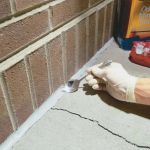 How to Seal Cracks and Gaps That Invite Insects – Effective Home Sealing Tips
 How to Monitor Pest Trends After Treatment for Effective Control
 How to Create a Pest-Resistant Garden
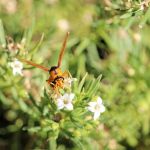 How to Remove Wasps Without Getting Stung: Safe and Effective Methods
 How to Reduce Indoor Humidity to Prevent Insects
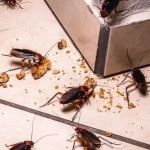 How to Keep Cockroaches From Reinfesting After Treatment