
How to Verify a Pest Control Company and Compare Quotes
On this page
Quick answer
Verify a pest control company by checking its current state-required license with the state pesticide regulatory agency, confirming the business and technician identity, and requesting an inspection before accepting a broad treatment. Compare written quotes by target pest, affected areas, control methods, pesticide products when proposed, preparation and reentry instructions, exclusion work, follow-up, warranty conditions, and total price. Choose competence and a clear plan—not the lowest number alone.
A pest control quote should describe a defined service for an identified problem, including what will be inspected or treated, how results will be measured, what the customer must do, and which costs or follow-up visits are included.
Verify licensing and identity
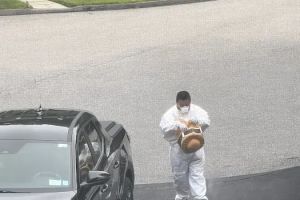
Pest-control licensing is handled by states and sometimes additional local authorities in the United States. Ask the company for its business license information and the credentials required for the person supervising or performing the work. Then verify status with the state pesticide regulatory agency rather than relying only on a badge, truck, website, or review profile.
- Confirm the legal business name matches the estimate and contract.
- Check that the license is current and covers the type of work proposed.
- Ask who will perform the service and whether subcontractors are used.
- Request proof of insurance and bonding when relevant to the project and local practice.
- Check how complaints or enforcement history can be reviewed through the regulator.
EPA guidance says pest-control firms must be licensed by the state and recommends contacting the state pesticide regulatory agency when there are concerns. Exact credential names and verification systems vary, so do not invent a universal national license.
Require an inspection-based plan
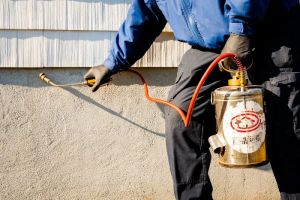
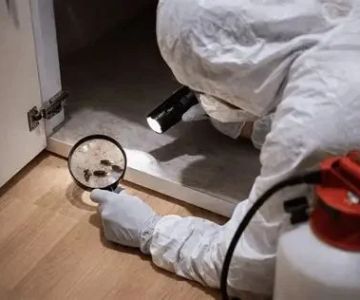
A responsible company should identify or narrow the target pest, inspect likely entry and harborage areas, discuss contributing conditions, and explain why the proposed methods fit the site. A phone quote may be preliminary when the scope cannot be known without seeing the property.
Ask the inspector to distinguish immediate reduction from long-term control. Spraying visible insects may not correct moisture, food access, structural gaps, nesting areas, or activity in neighboring units. Integrated pest management combines identification, sanitation, exclusion, monitoring, nonchemical tools, and targeted pesticide use when needed.
Compare quotes line by line
- Target and scope: species or pest group, rooms, exterior zones, structures, and excluded areas.
- Method: inspection, monitoring, trapping, vacuuming, exclusion, habitat correction, bait, dust, spray, or another defined technique.
- Products: product name, active ingredient, EPA registration information when applicable, placement, and reason for selection.
- Safety: preparation, ventilation, occupant and pet restrictions, reentry, cleanup, and emergency contacts.
- Visits: initial work, follow-up timing, monitoring, number of included callbacks, and criteria for ending service.
- Repairs: exact exclusion materials and locations, who owns the repair, and whether workmanship is warranted.
- Price: inspection fee, initial treatment, recurring charges, products, repairs, taxes, cancellation, and renewal.
- Warranty: target pest, duration, customer obligations, exclusions, and remedy if activity continues.
A lower quote may exclude follow-up, repairs, or difficult areas. A higher quote may include unnecessary recurring service. Compare the same outcome and scope before deciding.
Questions to ask before signing
- What evidence supports the pest identification?
- What nonchemical and preventive measures are part of the plan?
- If a pesticide is proposed, why is this product and placement appropriate?
- What must people and pets do before, during, and after service?
- How will you measure whether activity is decreasing?
- What conditions must I correct for the warranty to remain valid?
- Who should I contact if there is an exposure, property damage, or continuing activity?
- Can I review the full contract and product information before the appointment?
Tell the company about children, pregnancy, older adults, respiratory concerns, allergies, pets, aquariums, gardens, wells, and other site-specific sensitivities so the plan can address them. This information does not replace following label directions.
Warning signs to avoid
- Pressure to sign immediately or claims that a special price expires within hours.
- A guaranteed identification without inspection or adequate evidence.
- Refusal to provide licensing details, a written contract, or product information.
- Claims that a pesticide is completely harmless, chemical-free when a pesticide is used, or safe enough to ignore the label.
- A universal spray program offered without discussing the target pest or conditions.
- Instructions that conflict with the pesticide label or state requirements.
- Requests for full cash payment before a large multi-step project without clear protections.
Terms such as “green,” “natural,” and “organic” do not by themselves prove low risk or effectiveness. Ask for the actual method and product.
How to evaluate the service
Keep the contract, invoice, product information, preparation instructions, and a dated activity log. Confirm that the technician performed the agreed inspection and placements. Follow sanitation and exclusion instructions, but do not alter bait stations or treated areas unless directed.
Some control methods take time. Compare activity before and after service using sightings, trap counts, damage, and new evidence rather than expecting every organism to disappear immediately. Contact the company within the stated follow-up window if results do not match the plan.
For suspected misuse, exposure, or a licensing problem, contact the company and the relevant state pesticide regulatory agency. For poisoning questions in the United States, Poison Control is available at 1-800-222-1222; call 911 for life-threatening symptoms.
Sources and evidence notes
The EPA’s current tips for selecting a pest control service advises consumers to seek quality and value rather than deciding on cost alone. EPA guidance on smart pest control recommends checking the state-required company license and favoring experience with integrated pest management. The EPA Citizen’s Guide covers company selection, exposure reduction, and pesticide safety. State requirements and the product label control site-specific obligations.
Frequently asked questions
Is EPA registration the same as a company license?
No. EPA registration applies to pesticide products, while states license or certify pest-control businesses and applicators under their own systems. Verify both the service credential and any proposed product information.
How many quotes should I get?
Two or three written inspections can help for non-urgent work. Compare scope and evidence, not only price. Active structural damage, stinging insects, or health hazards may require faster professional action.
Should a company guarantee no pests forever?
Be cautious. Buildings continually face new pest pressure, and outcomes depend on repairs, sanitation, neighboring properties, weather, and follow-up. A useful warranty states a period, target pest, conditions, and specific remedy.
Can a quote be given from photos?
Photos may support preliminary identification, but hidden infestations and structural conditions often change the scope. Ask whether the price is provisional and what triggers a revision.
Is recurring pest service always necessary?
No. Need depends on pest biology, property, risk, climate, and monitoring results. Ask why the interval is recommended and what each visit accomplishes.
Next steps
Gather two or three inspection-based quotes, verify each license through your state regulator, and place the scopes side by side. Choose the company that clearly identifies the problem, explains targeted and preventive methods, documents safety instructions, and defines follow-up—then keep records and measure results.



 Bugs Bee Gone Pest Control4.0 (403 reviews)
 Lakeshore Pest Control4.0 (22 reviews)
 Green Pest Management CT LLC5.0 (23 reviews)
 Universal Pest5.0 (4 reviews)
 NEW YORK EXTERMINATING INC.4.0 (50 reviews)
 Mr. Pest Control4.0 (123 reviews)
 How to Seal Pest Entry Around Utility Penetrations
 How to Manage Pest Issues in Older Homes: Tips for Homeowners
 How to Use Non-Chemical Barriers for Pest Control: Natural Solutions for Your Home
 How to Remove Wasps Without Getting Stung: Safe and Effective Methods
 How to Use Barrier Treatments in Key Zones for Effective Pest Control
 How to Use Smart Technology for Rodent Control at Home