
- smart_rodent_control_basics-how_modern_pest_management_is_evolving
- electronic_mouse_traps-how_digital_trapping_systems_improve_efficiency
- ultrasonic_pest_repellers-do_they_really_work_in_real_homes
- iot_pest_monitoring-real_time_tracking_and_alert_systems
- case_story_home_infestation-smart_technology_success_example
- best_practices_and_prevention-long_term_digital_pest_control_strategy
Why Rodent Control Is Becoming a Smart Technology Problem
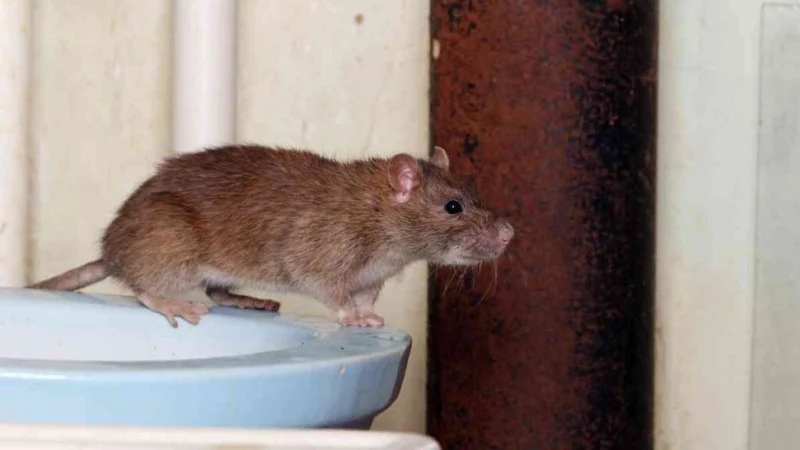
Rodent control used to rely heavily on traditional traps, poison bait stations, and manual inspection. While those methods still exist, they are no longer the only option. With the rise of smart rodent control systems, homeowners now have access to tools that detect, monitor, and eliminate rodent activity with far more precision.
The shift is happening for a simple reason: rodents adapt quickly. In urban environments especially, mice and rats learn to avoid conventional traps. Smart systems introduce automation, data tracking, and real-time alerts that reduce guesswork and improve response time.
Instead of waiting for visible signs of infestation, modern pest control now focuses on early detection and continuous monitoring—similar to how home security systems evolved from basic locks to intelligent surveillance.
Lodi Exterminator At Last Pest Control
4 N Woodside Ave, Lodi, NJ 07644, USA
Understanding the Core Types of Smart Rodent Control
Modern pest management systems fall into three main categories: electronic trapping devices, ultrasonic deterrents, and IoT-based monitoring systems. Each plays a different role, and the most effective setups often combine all three.

Electronic Mouse Traps and Smart Capture Systems
Electronic mouse traps are one of the most widely used innovations. These devices use a high-voltage, quick-release mechanism to humanely eliminate rodents and often notify the user when a capture occurs.
Unlike traditional snap traps, smart versions can be connected to mobile apps, allowing homeowners to track activity remotely. Some advanced models even reset automatically, reducing the need for constant maintenance.
Ultrasonic Pest Repellers in Modern Homes
Ultrasonic pest repellers emit high-frequency sound waves that are designed to disturb rodents without affecting humans or pets. While effectiveness can vary depending on environment and placement, they are often used as a preventive layer.
They work best in combination with sealing entry points and maintaining cleanliness, rather than as a standalone solution.
IoT Pest Monitoring Systems for Real-Time Awareness
IoT-based pest monitoring is the most advanced category. These systems use motion sensors, smart cameras, and connected traps to send real-time alerts to a homeowner’s phone or dashboard.
This allows users to identify patterns, such as peak rodent activity times or specific entry zones within a home. Over time, this data becomes valuable for long-term prevention planning.
How Smart Rodent Control Works in a Real Home Environment
To understand how these systems work together, consider a typical suburban home scenario. A homeowner begins noticing small droppings in the garage but is unsure where the rodents are entering.
Instead of setting random traps, they install a combination of electronic mouse traps and IoT motion sensors along suspected entry points. Within 48 hours, the system detects repeated activity near a utility line gap.
Alerts are sent to the homeowner’s phone, and they reposition traps strategically. Within a week, rodent activity drops significantly. This kind of targeted response is what makes modern pest control far more efficient than older methods.
A real case shared in a community pest control forum described a similar situation in a Chicago apartment building where recurring infestations were finally resolved after installing smart monitoring devices in shared basement areas.
Advantages of Using Smart Pest Control Systems
One of the biggest advantages of smart pest control systems is early detection. Traditional methods rely on visible signs, but smart systems detect movement before damage becomes severe.
Reduced Chemical Use
Because smart systems focus on detection and targeted elimination, they reduce the need for widespread poison use. This is especially important in homes with children or pets.
Remote Monitoring Convenience
Homeowners can monitor rodent activity even when they are away. This is particularly useful for vacation homes or rental properties.
Data-Driven Prevention
Over time, IoT pest monitoring systems build a behavioral map of rodent activity. This data helps identify weak points in home structure or seasonal infestation trends.
Common Mistakes People Make When Using Smart Rodent Control
Even with advanced technology, improper use can reduce effectiveness. One common mistake is placing devices without understanding rodent behavior patterns.
Rodents tend to travel along walls and avoid open spaces. Placing traps in the center of a room significantly reduces capture rates.
Another mistake is relying solely on ultrasonic pest repellers without sealing entry points. Technology enhances prevention, but physical barriers are still essential.
A Realistic Homeowner Story: From Frustration to Control
A homeowner in California shared an experience where they struggled with recurring rodent issues in their kitchen walls. Traditional traps worked temporarily, but infestations kept returning every few weeks.
After switching to a smart pest control system that included electronic traps and motion sensors, they discovered that rodents were entering through a small gap behind an outdoor utility box.
Once the entry point was sealed and smart monitoring continued, the problem was eliminated within two weeks. The homeowner described the change as “finally having visibility into something that used to feel unpredictable.”
Best Practices for Long-Term Smart Rodent Prevention
To maintain a rodent-free home, smart systems should be combined with preventive maintenance. This includes sealing cracks, keeping food storage secure, and regularly reviewing sensor data.
Routine system checks ensure devices remain functional and positioned correctly. Battery-powered sensors, in particular, require periodic inspection.
For homeowners looking to explore reliable tools and integrated solutions, PestControlHub offers a range of modern smart pest control systems designed for different home sizes and infestation levels.
The Future of Smart Rodent Management
The future of pest control is increasingly automated. Artificial intelligence is being integrated into monitoring systems to predict rodent behavior before it happens, rather than reacting afterward.
As these technologies become more affordable, smart rodent control will likely become a standard feature in modern home management systems, similar to security cameras or smart thermostats.


 Above & Beyond Bed bug removal4.0 (88 reviews)
 Orkin4.0 (213 reviews)
 Zander Pest Control4.0 (50 reviews)
 Greenix Pest Control4.0 (397 reviews)
 Home Paramount Pest Control4.0 (159 reviews)
 Cummings Pest Solutions5.0 (19 reviews)
 How to Address Pest Infestation in Attic Spaces: A Complete Guide
 How to Detect Termites Under Slab Foundations: A Comprehensive Guide
 How to Monitor Pest Flows in Perimeter Areas
 Termite Inspection: Key Areas Most Homeowners Miss During Their Inspection
 How to Prevent Pest Spread via Air Vents
 How to Seal Gaps at Roof Eaves to Block Pests