Pet Food Pest Prevention: Seal, Rotate, and Clean Storage
On this page
Quick answer
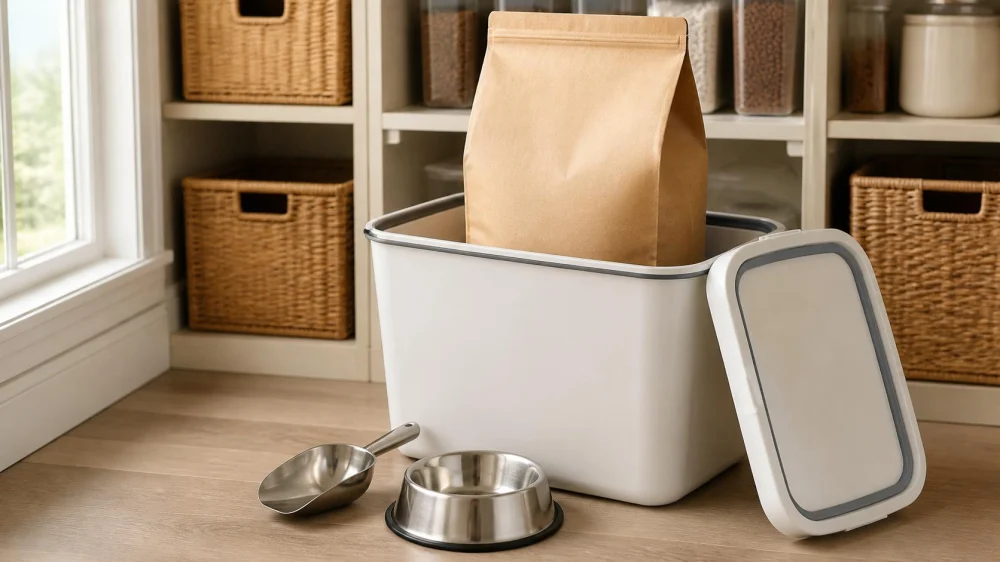
Inspect pet food before purchase and again when opening it, then keep the original package and lot information available. Place the closed bag inside a clean, dry, pest-resistant container when practical instead of pouring different batches together. Rotate older food first, clean crumbs and bowls, avoid leaving food out longer than the feeding plan requires, and isolate any package with webbing, insects, holes, moisture, or an unusual odor.
Morrow's Termite and Pest Control
BloomingtonMonroe CountyIndiana
6128 Old State Rd 37, Bloomington, IN 47408, USA
Why pet food attracts and carries pests
Dry pet food, treats, bird seed, and small-animal feed can provide calories, moisture, and shelter for pantry insects, ants, rodents, and other pests. Damage may begin before purchase or after a package is opened. Protecting the package, identifying the batch, controlling spills, and checking nearby shelves makes a response more precise than applying a product without finding the source.
This guide covers household storage of commercially packaged pet food in the United States. Follow the food manufacturer's storage and disposal directions, a veterinarian's feeding plan, local waste rules, and any applicable product recall. Pest species, pet needs, packaging, climate, and housing conditions vary.
Spartina Pest Management
SeabrookBeaufort CountySouth Carolina
1388 Trask Pkwy, Seabrook, SC 29940, USA
What to inspect in storage and feeding areas
- Package seams, punctures, gnaw marks, webbing, larvae, beetles, moths, droppings, moisture, mold, clumps, rancid odor, or a broken seal.
- Product name, flavor or formula, manufacturer, package size, lot or batch number, best-by date, purchase date, and receipt.
- A cool dry storage location away from heat, plumbing leaks, floor drains, direct sun, damp walls, and pet or child access.
- A clean container with a tight-fitting lid, enough room for the closed original bag, and no cracks, residue, or mixed old food.
- Crumbs and spilled kibble under shelves, appliances, mats, bowls, scoops, closets, garage edges, and nearby human food.
- Open treats, bird seed, litter, bedding, bulk products, cardboard, reusable shopping bags, and other possible pest sources.
- Feeding schedule, unfinished wet or dry food, water spills, bowl washing, outdoor feeding, and wildlife access.
Store pet food with a repeatable routine
- Inspect a package before buying and reject one with tears, holes, moisture, a broken seal, or visible pest evidence.
- Photograph or record the lot and date, then store the closed original bag inside a clean suitable container when practical.
- Use older acceptable food first, avoid topping a new batch over residue, and wash and fully dry the container between batches.
- Measure food with a clean dry scoop reserved for that product and close both the inner package and outer container after use.
- Clean spills promptly, wash bowls according to the feeding plan, and remove uneaten food before it becomes a continuing attractant.
- Inspect the storage and feeding zones regularly, including hidden edges, and seal building gaps only after activity is assessed.
- If evidence appears, isolate the package from other food, photograph the signs, contact the manufacturer or retailer, and identify the pest before treatment.
Keep the product and formula, lot number, best-by date, purchase source and date, photos, storage conditions, affected area, pest evidence, pet symptoms, manufacturer contact, disposal or return instructions, and cleaning performed. Preserve packaging information until the batch is used because it may be needed for a complaint or recall check.
Food safety, pesticide, and pet limits
Do not feed food that is moldy, wet, rancid, contaminated, recalled, or rejected by its manufacturer or veterinarian. Do not spray pesticides on pet food, bowls, scoops, toys, bedding, or surfaces unless the complete label permits that exact use and all pet, ventilation, cleaning, and reentry directions are followed. Do not use mothballs, essential oils, or improvised poisons as pet-area pest controls.
Contact a veterinarian promptly if a pet may have eaten contaminated food, pest bait, pesticide, packaging, mold, or foreign material, or develops concerning symptoms. Contact the manufacturer or retailer about a suspect batch and follow recall instructions. Use a qualified pest professional for persistent activity, rodents, widespread contamination, or a source that cannot be located. Seek emergency veterinary care for severe breathing trouble, collapse, seizures, repeated vomiting, or another immediate danger.
Frequently asked questions
Should I pour kibble directly into a plastic bin?
Keeping the food in its closed original bag inside a suitable clean container preserves product information and reduces direct residue, unless the manufacturer instructs otherwise.
Can I mix the last food with a new bag?
Avoid combining batches before the old food is used and the container is cleaned and dried; mixing can hide dates, residue, or the source of a problem.
Does freezing kill every pantry pest stage?
Do not rely on an improvised temperature treatment. Ask the manufacturer or an extension or pest professional about the identified product and pest.
Can pet bowls stay out overnight?
Follow the pet's feeding plan, but remove leftovers and clean spills so food does not remain a continuing attractant.
What should I do with an infested bag?
Isolate it, preserve photos and lot details, prevent pet access, and follow manufacturer, retailer, local waste, and pest-identification guidance.
Sources and evidence
Use the pet food manufacturer's label, storage directions, recall notices, and customer service for the specific product and batch. Use a veterinarian for pet health and feeding decisions. Use state extension or a qualified pest professional for identification and integrated control, and use the complete pesticide label for any legal application around pet areas.
Conclusion and next steps
Inspect packages, keep batch details, close the original bag inside a clean container, rotate stock, and remove crumbs from storage and feeding areas. When evidence appears, isolate and document the product before choosing a response. The best routine protects both the food and the information needed to trace a problem without exposing the pet to unnecessary treatments.



 K & B Pest Control4.0 (29 reviews)
 SKEETER'S of Stow Mosquito- Tick Control Services by Tree-EMT5.0 (5 reviews)
 Prestige Pest Control4.0 (237 reviews)
 Bugstoppers Pest Control4.0 (19 reviews)
 Indiana Critter Solutions5.0 (6 reviews)
 Quality Control Inc5.0 (3 reviews)
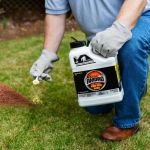 How to Control Fire Ants in Your Yard: Effective Methods and Tips
 How Often Should You Schedule Pest Control Services?
 How to Use Smart Pest Detectors in Basements
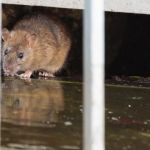 How to Deal With Pest Infestations After Flooding
 How to Deal With Pest Infestations in Basements
 How to Prevent Pest Infestations in Sheds and Outbuildings